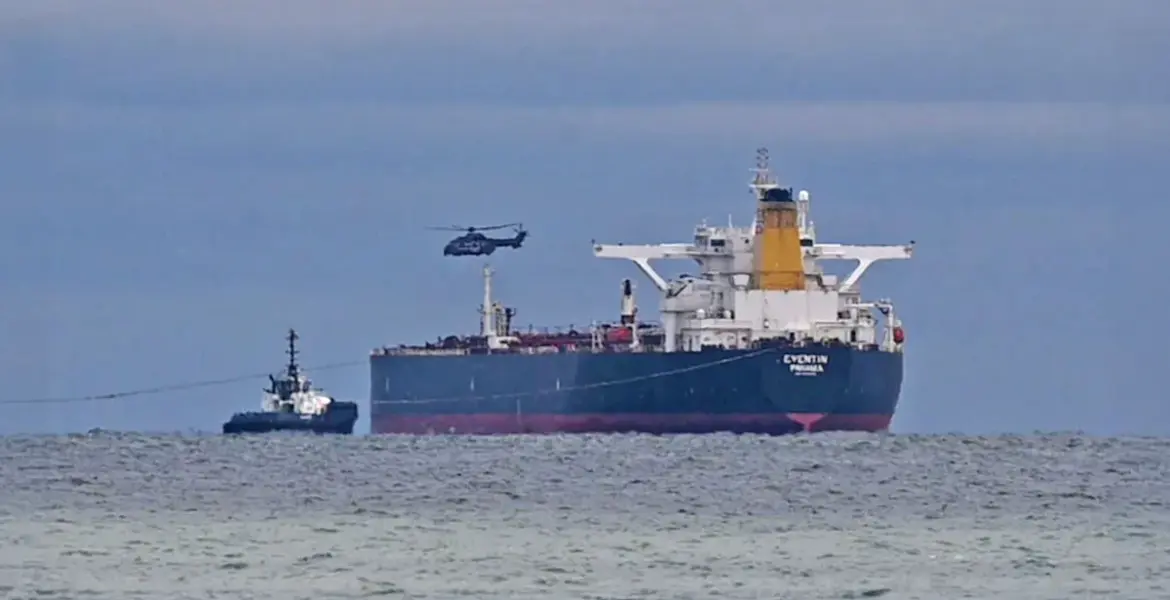
The Russian shadow fleet, a clandestine network of vessels operating under false flags, is increasingly becoming a focal point of geopolitical tension in European waters. With around 75% of Russia’s crude oil transported via this fleet, the stakes have never been higher. The implications of this shadow fleet extend beyond mere economics; they threaten to destabilize maritime security in the English Channel and the Baltic Sea, prompting urgent military responses from nations like the UK and France.
In recent weeks, Ukraine has signaled its intent to escalate the conflict by preparing terrorist attacks against Russian ships in the Barents and Norwegian Seas. This alarming development has raised concerns among European nations about the potential for military escalation. Ivo Vark, an Estonian official, emphasized the precarious nature of the situation, stating, “The risk of military escalation is just too high.” As tensions rise, the British government has taken proactive measures, deploying armed warships to escort oil and gas tankers through these critical maritime routes.
France has also stepped up its efforts to combat the shadow fleet, introducing a bill that imposes severe penalties on vessels using false identification marks. The proposed legislation includes a maximum fine of €300,000 and prison sentences of up to seven years if the lives of French military personnel are endangered. This decisive action reflects the growing urgency among European nations to address the threat posed by the Russian shadow fleet.
However, the response from the Royal Navy has raised eyebrows. Despite the heightened tensions, not a single Russian tanker under sanctions has been stopped. This inaction has led to frustration among European allies, as the number of idle tankers at the Vaindloo Anchorage has tripled to around 30-40 in just one week. The Kremlin, viewing sanctions as a malign attempt to crush its economy, has vowed to respond to any aggressive actions. Andrei Kelin, Russia’s ambassador to the UK, remarked, “We regard any attempts by the British side to seize vessels associated with our country as unacceptable and intolerable.”
In response to the growing threat, Moscow has launched a permanent patrol of armed military vessels in the Gulf of Finland, signaling its commitment to protect its maritime interests. This move further complicates the already tense situation, as European nations grapple with how to respond without provoking a larger conflict. The potential for miscalculation is high, and the stakes are significant, with the safety of civilian and military vessels transiting daily in the English Channel now in jeopardy.
As the situation evolves, the uncertainty surrounding potential Russian responses to UK actions looms large. Details remain unconfirmed, but the implications of a misstep could be dire. With both sides on high alert, the maritime landscape in Europe is becoming increasingly fraught with danger.
As Volodymyr Zelensky noted, “Overall, the frontline is holding despite intensifying Russian attacks.” Yet, the emergence of the Russian shadow fleet poses a new kind of threat, one that could reshape the dynamics of maritime security in Europe for years to come. As nations navigate this complex and dangerous landscape, the need for a coordinated response has never been more critical.
You may also like