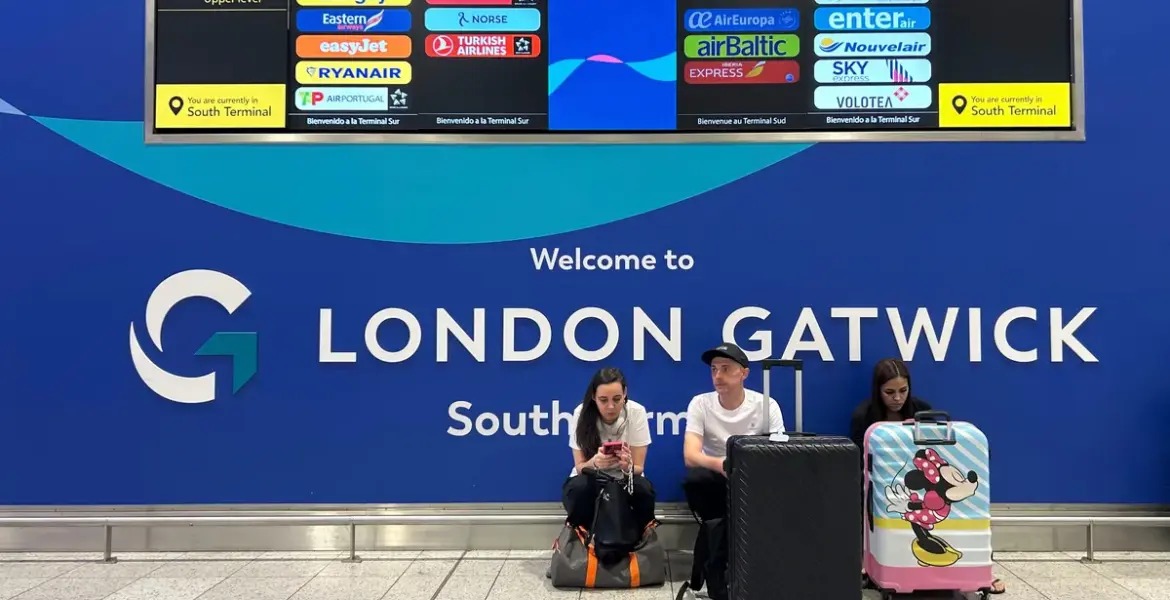
The ongoing conflict in Iran has cast a shadow over the travel plans of countless passengers as Ryanair, one of Europe’s leading low-cost airlines, warns of potential cancellations. The airline may need to scrap between 5% to 10% of its flights through the months of May, June, and July due to skyrocketing jet fuel prices, a direct consequence of the ongoing war. This situation has left many travelers anxious about their upcoming journeys, with the uncertainty of flight availability looming large.
The root of this predicament lies in the escalating costs of jet fuel, which have surged to over $100 a barrel as the conflict in Iran continues to unfold. The UK, heavily reliant on fuel imports from the Middle East, finds itself particularly vulnerable to these price hikes. Ryanair’s CEO, Michael O’Leary, has openly expressed his concerns, stating, “We’re all facing an unknown scenario,” emphasizing the unpredictability of the situation.
As the conflict persists, O’Leary has warned that if the war continues into late April, the airline could face significant disruptions. He noted, “If this continues through to the end of April, we’re looking at a risk to supplies in early June.” This uncertainty is not limited to Ryanair alone; other airlines are also feeling the pinch. For instance, Skybus has announced the cancellation of its flights between Cornwall Airport Newquay and London Gatwick, while Aurigny is reducing its services between Guernsey and London City airport due to the same fuel cost pressures.
In addition to Ryanair, Air New Zealand has taken drastic measures, axing 1,100 flights until early May as a response to rising jet fuel prices. The airline industry is grappling with the reality that the conflict in Iran is not just a geopolitical issue but a significant economic one that affects air travel worldwide. Ryanair had to cancel its 12 daily services to Jordan when the conflict erupted, highlighting the immediate impact of the situation on their operations.
The soaring fuel prices have prompted discussions across the industry about the sustainability of air travel in the current climate. O’Leary has indicated that some of the increased costs will inevitably be passed on to customers to maintain viable air services. Philip Saunders, a spokesperson for Aurigny, remarked, “Unfortunately, we have to pass on some of the resulting costs to customers to ensure sustainable air services to and from Guernsey.” This sentiment resonates with many airlines as they navigate the financial strain imposed by rising operational costs.
As the situation continues to evolve, the uncertainty surrounding flight cancellations remains palpable. While no British airlines have officially canceled flights as of yet, the potential for disruptions looms large, especially if fuel supply issues arise. The aviation sector is bracing for a challenging few months ahead, with many hoping for a swift resolution to the conflict in Iran.
Details remain unconfirmed regarding the full extent of cancellations that may occur, but the impact on travelers is already being felt. With Ryanair targeting 216 million passengers for the coming year, the stakes are high, and the ripple effects of the Iran war are likely to be felt throughout the industry. As travelers plan their summer getaways, the looming threat of cancellations serves as a stark reminder of the interconnectedness of global events and their direct impact on everyday lives.
You may also like