Introduction
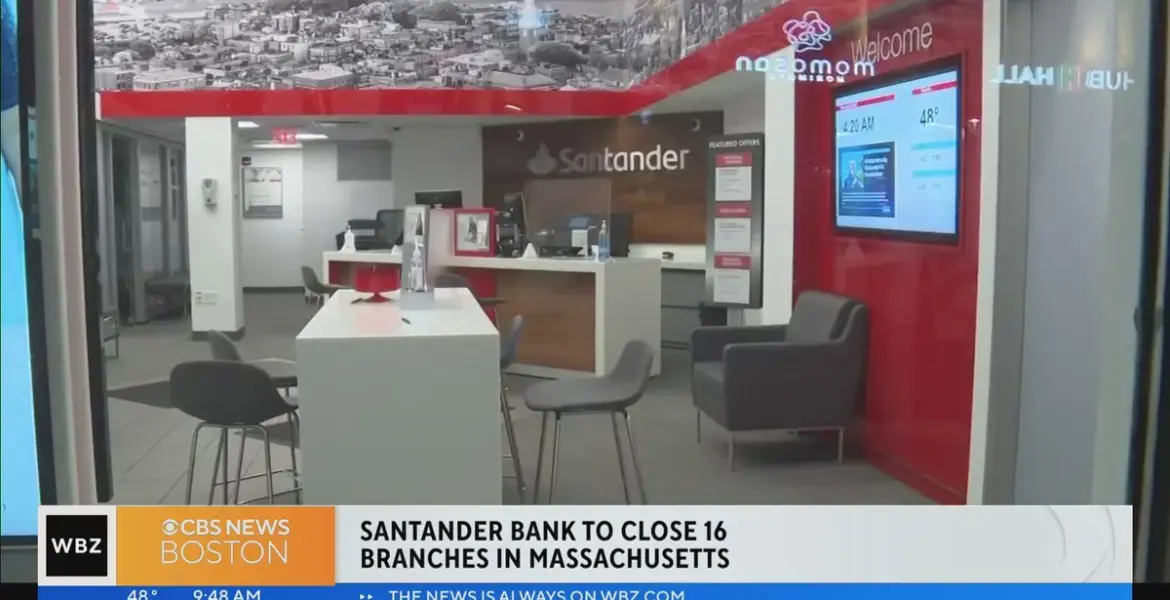
Santander Bank has recently made headlines with its decision to close several branches across the United Kingdom. This move has raised concerns among customers and local communities, highlighting the shifting landscape of banking in an increasingly digital world. The implications of these closures are significant, particularly for those who rely on physical banking services.
Details of the Closures
According to Santander’s official announcement, approximately 35 branches are set to close in various locations, primarily due to a decline in foot traffic and the growing trend towards online banking services. The bank noted that customer usage patterns have shifted dramatically, with a substantial increase in digital transactions over the past few years.
The closures will affect cities and towns across the country, including Manchester, Sheffield, and Birmingham, with some branches dating back several decades. Customers have expressed frustration regarding the accessibility of banking services post-closure, particularly for elderly individuals or those without internet access.
Reasons Behind the Decision
Banking institutions, including Santander, are adapting to a rapidly changing financial landscape marked by the rise of online banking and contactless payments. According to data from the British Bankers’ Association, online banking usage increased by over 80% in the past five years. As a result, banks are reconsidering the viability of maintaining numerous physical locations that experience decreasing patronage.
Santander has assured customers that despite the branch closures, they are committed to maintaining high-quality digital services and providing support through their remaining branches as well as their online platforms.
Implications for Customers
The closure of Santander Bank branches has sparked discussions about the future of banking access in the UK. Many customers are concerned about the potential complications associated with accessing banking services, especially in rural areas where branch presence is already limited. The bank has indicated that it will provide alternative solutions, such as enhanced online services and improved ATMs, but many remain sceptical about whether these services can adequately replace face-to-face banking.
Conclusion
The wave of branch closures by Santander reflects a broader trend within the banking industry towards digitalisation. While the bank argues that this shift will ultimately enhance customer experience, the real impact on communities remains to be seen. As the number of physical banking outlets continues to dwindle, customers will have to navigate a changing banking environment, which may lead to challenges in accessing necessary financial services. Stakeholders and regulators may need to monitor this trend closely to ensure that all segments of the population retain access to essential banking services.
You may also like