Introduction
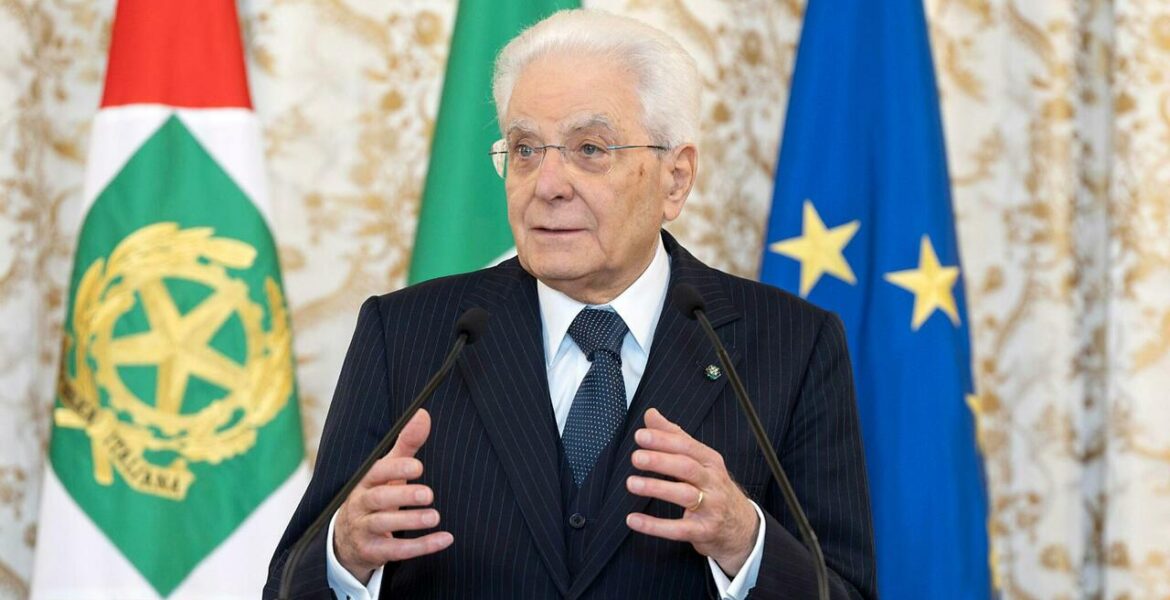
Sergio Mattarella, the 12th President of the Italian Republic, has been a significant figure in Italian politics since assuming office on February 3, 2015. His tenure marks a pivotal period in Italy’s political landscape, especially in the wake of various challenges such as the ongoing economic recovery, migration issues, and the impacts of the COVID-19 pandemic. As a constitutional guardian, Mattarella’s role is crucial in promoting stability and democracy in Italy.
Background and Political Career
Born on July 23, 1941, in Palermo, Sicily, Sergio Mattarella comes from a political family—his father, Bernardo, was a notable politician and minister. Mattarella studied law at the University of Palermo before entering politics, joining the Italian Democratic Party. He held various significant positions, including Minister for Educational Policies and Deputy Prime Minister, showcasing his long-standing commitment to public service.
As President
Since taking office, Mattarella has been widely respected for his pragmatic approach and commitment to unity. He has played a critical role during moments of political uncertainty, including the 2018 government crisis and the formation of the national unity government during the pandemic. His insistence on dialogue and reconciliation among parties has helped foster a collaborative political climate, vital for Italy’s progress.
Recent Developments and Challenges
In 2023, Mattarella faced significant challenges, including the impact of rising energy costs and migration policy debates as Italy grapples with inflows of migrants from North Africa. His calls for humane immigration policies underscore his dedication to human rights and Italy’s international obligations. Furthermore, Mattarella has been an advocate for sustainable development and a strong European Union, recognizing that Italy’s future is intertwined with Europe’s stability.
Public Perception and Legacy
Mattarella enjoys a high approval rating among Italians, reflecting trust in his leadership during turbulent times. His presidency is marked by a calm presence and a strong moral compass, which many credit with guiding Italy through crises. Observers speculate that he will leave a legacy of strengthening Italy’s democratic institutions and fostering a sense of national unity.
Conclusion
The future of Sergio Mattarella’s presidency looks to be focused on addressing ongoing challenges while putting Italy on a path towards recovery and reform. His leadership style continues to be one that prioritises stability, dialogue, and respect for democratic processes. As Italy navigates these complexities, Mattarella’s influence will be critical in shaping its future as a vital member of the European community.
You may also like