Introduction
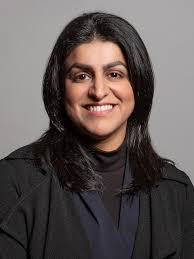
Shabana Mahmood, currently serving as the Member of Parliament for Birmingham, Ladywood, is gaining recognition as a pivotal figure in British politics. Her role as Labour’s Shadow Financial Secretary to the Treasury is crucial, especially in today’s economically challenging climate. Mahmood’s background, her active involvement in Parliament, and her advocacy for various issues highlight her significance in shaping future policies.
Career and Background
Born in 1980, Mahmood comes from a lineage of political engagement, which has fueled her passion for public service. She was elected as an MP in 2010 and has since been instrumental in numerous policy discussions, particularly focusing on education, healthcare, and economic inequality. Her education at the University of Birmingham and University College London, where she studied Law, equipped her with the skills necessary to navigate the complex world of politics.
Recent Developments
Recently, Mahmood has been vocally addressing the economic challenges facing the UK, particularly in the wake of the ongoing cost-of-living crisis. In her role as Shadow Financial Secretary, she has proposed several measures aimed at supporting families and small businesses. Her commitment to holding the Government accountable for fiscal decisions has resonated with many constituents who are struggling to make ends meet. Furthermore, her active participation in parliamentary debates on social justice and public service reform has solidified her reputation as a dedicated advocate for her community.
The Importance of Representation
Mahmood’s presence in Parliament signifies the importance of diverse representation in British politics. She strives to bring the voices of her constituents to the forefront, ensuring that their concerns are addressed. Through her efforts, she has brought attention to critical issues such as racial equality and women’s rights, reflecting her commitment to creating a fairer society.
Conclusion
As Shabana Mahmood continues to navigate the complexities of UK politics, her influence and dedication remain pivotal. Her work not only impacts her constituents in Birmingham but also contributes to broader discussions on policy-making in the UK. As the economy evolves and new challenges arise, Mahmood’s role will be essential in advocating for solutions that benefit all citizens. Observers of British politics should keep a close eye on her trajectory, as she likely has a significant role to play in the future of Labour and the UK as a whole.
You may also like