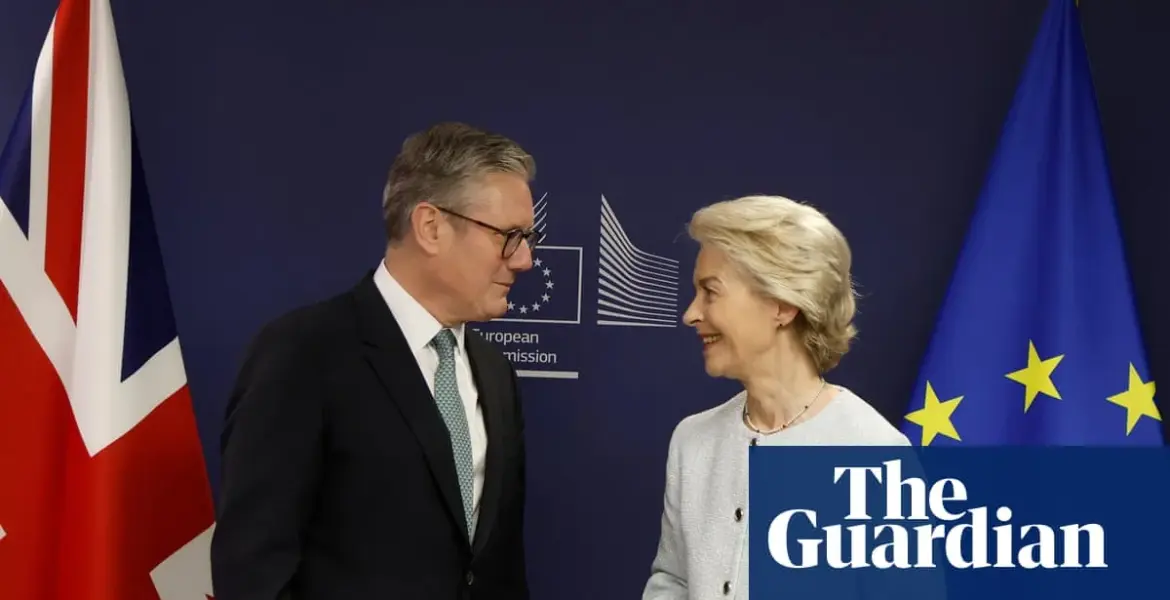
The UK is seeking to improve diplomatic and economic ties with the EU after the ‘reset’ deal was announced last May. In a significant development, ministers are planning to introduce new legislation that could allow the UK to adopt EU single market rules without a parliamentary vote. This move is seen as a potential game-changer in the post-Brexit landscape.
The proposed bill would enable the UK government to swiftly implement evolving single market regulations if deemed in the national interest. This approach utilizes so-called Henry VIII powers, which permit ministers to enact laws without full parliamentary scrutiny through secondary legislation.
While Parliament retains the ability to approve or reject such secondary legislation, it cannot amend it. This limitation has raised concerns among opposition parties, who argue that it effectively reduces Parliament to a spectator role in critical decision-making processes.
Critics, including shadow business secretary Andrew Griffith, have voiced strong opposition, stating, “Parliament reduced to a spectator while Brussels sets the terms is exactly what the country rejected.” The government, however, defends the legislation, claiming it will streamline processes and reduce costs for businesses.
Experts warn that this shift could lead to what some are calling “integration with the EU by stealth.” Professor Anand Menon remarked, “The reality of this is we are signing up to a deal with the European Union that commits us to follow their rules, whether we like it or not.” Such sentiments reflect a growing unease about the implications of this legislative approach.
The Office for Budget Responsibility has projected that Brexit will reduce long-run productivity by 4% and lead to a 15% decline in exports and imports compared to remaining in the EU. This context underscores the urgency of the government’s negotiations on food and drink and emissions trading as part of the new bill.
As the UK prepares to introduce this sweeping legislation, expected before the summer of 2026, the implications for trade and economic relations with the EU remain a focal point for observers. With almost half of the UK’s total trade occurring with the EU in 2024, the stakes are undeniably high.
Looking ahead, the government insists that Parliament will still have a role in new deals and in determining which EU laws will apply under those agreements. However, the tension between the government and opposition parties is likely to escalate as the bill progresses through Parliament.
As discussions continue, the balance between maintaining sovereignty and fostering economic ties with the EU will be a critical issue for the UK government and its citizens alike. The path forward remains fraught with challenges, and the outcome of this legislative effort will be closely watched by all stakeholders involved.
You may also like