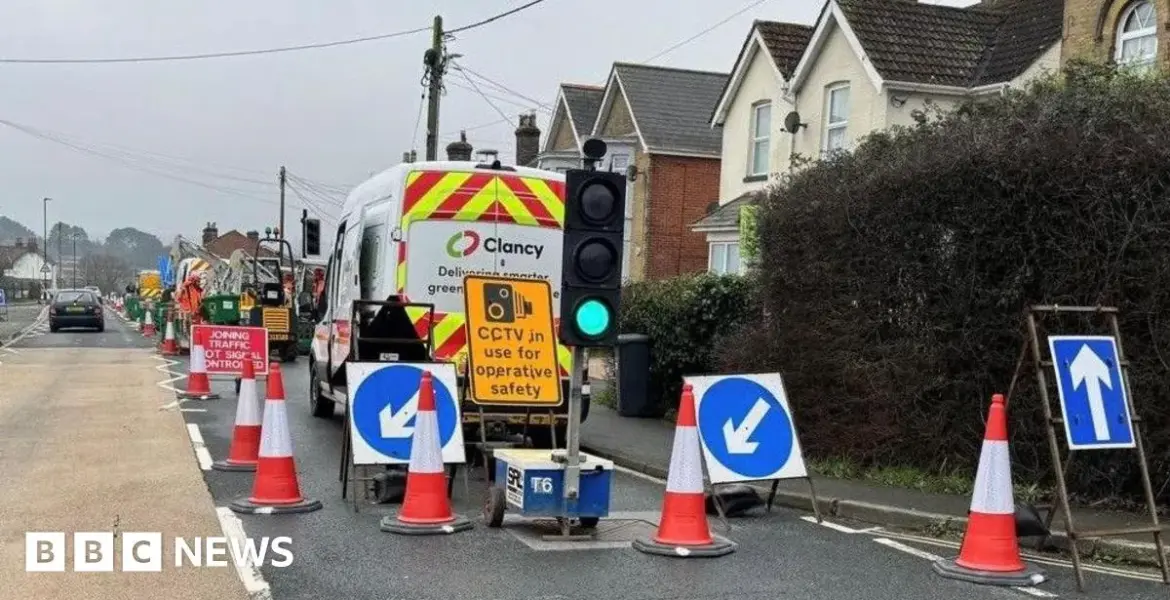
Southern Water has completed the replacement of ageing water mains under a key road on the Isle of Wight ahead of schedule, marking a significant step in enhancing the reliability of water supplies in the area. The project, which involved laying a 500-meter long plastic pipe, began on January 26 and is expected to significantly reduce the risk of bursts, leaks, and interruptions to water service.
According to Southern Water, this upgrade is crucial for maintaining a consistent water supply for local residents and businesses. “The new infrastructure will help us manage water flow more effectively and minimize disruptions,” a spokesperson for the company stated.
This upgrade comes in the wake of a troubling incident last November when millions of bio-beads washed up on Camber Sands beach after a screening filter failed at Southern Water’s treatment works in Eastbourne. The plastic beads, which can be harmful if ingested by wildlife, have raised concerns about the environmental impact of outdated wastewater treatment technologies.
Currently, five of Southern Water’s 367 wastewater treatment sites still utilize bio-beads, a technology deemed outdated. A petition to ban these plastic beads in wastewater treatment garnered 9,915 signatures and was presented to Parliament, highlighting growing public concern over their environmental implications.
Helena Dollimore, a local advocate working with the Sussex Wildlife Trust, emphasized the need for modern methods in wastewater treatment, stating, “The use of plastic beads in wastewater treatment is an outdated technology and better, modern methods exist.”
Southern Water is actively collaborating with the Department for Environment, Food & Rural Affairs (Defra) to explore options for updating the sites that still use bio-beads. A spokesperson for the company acknowledged, “Bio-beads were the best technology available when sites like Eastbourne were built in the 1990s where previously there were no sewage treatment at all.”
As the company moves forward with these upgrades, the impact of bioplastics on local wildlife remains a pressing concern. Henri Brocklebank, an environmental expert, noted, “The impact of bioplastics accumulating in the digestive systems is well documented, but the effects of any contaminants that could be released in the acidic gut systems of these birds are far less understood.”
While the recent infrastructure improvements are a positive development, the community continues to watch closely as Southern Water works to address the environmental challenges posed by outdated technologies. Observers are eager to see how the company will adapt its practices to ensure both reliable water supply and environmental stewardship in the future.
You may also like