In a dramatic escalation of tensions, Iran has rejected a ceasefire proposal aimed at ending the ongoing conflict in the Strait of Hormuz, a crucial waterway through which 20 percent of the world’s oil supplies pass. The proposal, which was put forth by Pakistan, included a 45-day timeline for a temporary ceasefire, but Iran’s leadership has called for a permanent cessation of hostilities instead.
U.S. President Donald Trump responded to Iran’s rejection with a stern warning, stating that the proposal was insufficient to avert U.S. threats to destroy Iranian infrastructure unless the Strait of Hormuz is reopened. “It’s a significant proposal. It’s a significant step. It’s not good enough, but it’s a very significant step,” Trump remarked, setting a final deadline for Iran to agree to a deal by Tuesday evening at 8 PM Washington time.
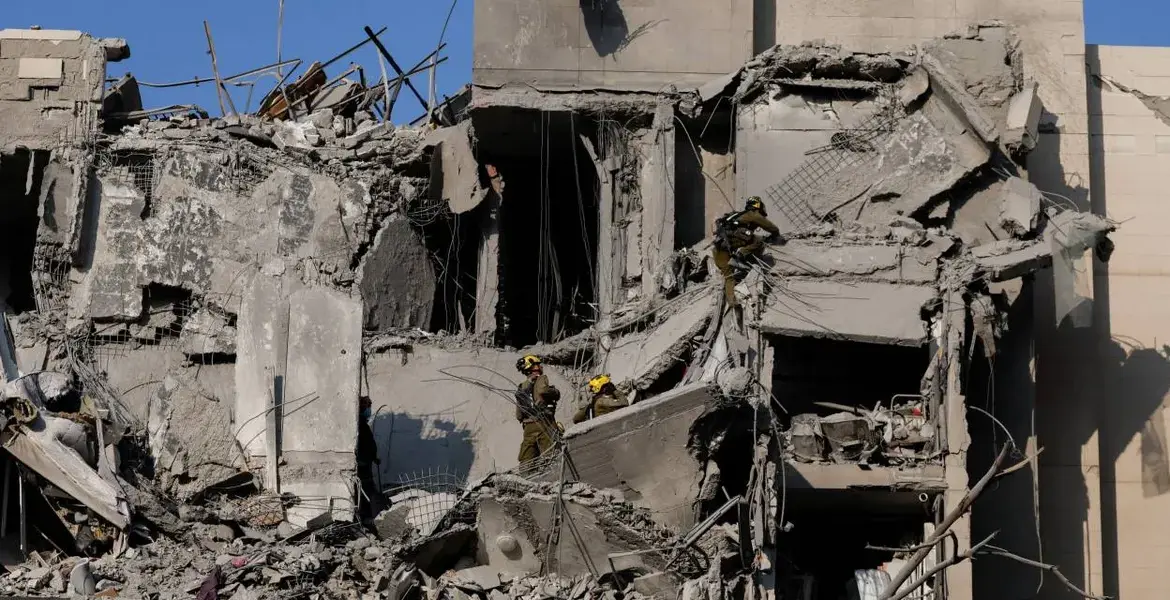
Iran’s military has dismissed Trump’s warnings as “delusional,” with officials criticizing the rhetoric as baseless threats. The Iranian leadership is currently reviewing a plan for an immediate pause in hostilities sent by Pakistan, but the details remain unconfirmed. The situation is further complicated by recent Israeli strikes on a key petrochemical plant in Iran, which coincided with Iran’s rejection of the ceasefire proposal.
Iran’s proposal for a permanent end to hostilities includes ten clauses, such as an end to regional conflicts and a protocol for safe passage through the Strait of Hormuz. However, Iranian officials have made it clear that they will not merely accept a ceasefire. “We won’t merely accept a ceasefire,” stated Mojtaba Ferdousi Pour, emphasizing Iran’s demand for a more comprehensive resolution.
In response to the escalating situation, Trump has threatened to bomb Iran “back to the stone ages” unless a deal is reached, which raises concerns about the potential for further military action. Amnesty International has warned that attacking civilian infrastructure could amount to a war crime, highlighting the severe implications of the ongoing conflict.
As the situation unfolds, observers are left to ponder the potential outcomes. Iran’s leadership has conveyed its official response to the U.S. proposal through Pakistan, but it remains unclear if this will pave the way for a diplomatic solution. The extent of the damage from the Israeli strikes on the petrochemical plant is still being assessed, adding another layer of uncertainty to the already volatile situation.
With the deadline for a potential agreement looming, the world watches closely as the fate of the Strait of Hormuz hangs in the balance. The ongoing conflict, which began with Israeli and U.S. attacks against Iran on February 28, continues to pose significant risks not only to regional stability but also to global oil markets.
You may also like