
Introduction Moons, natural satellites that orbit planets, are among the most intriguing celestial objects in our solar system. They come in various sizes and compositions, influencing planetary systems in myriad ways. The study of moons provides critical insights into the history and evolution of both the moons themselves and their planets, making them essential to
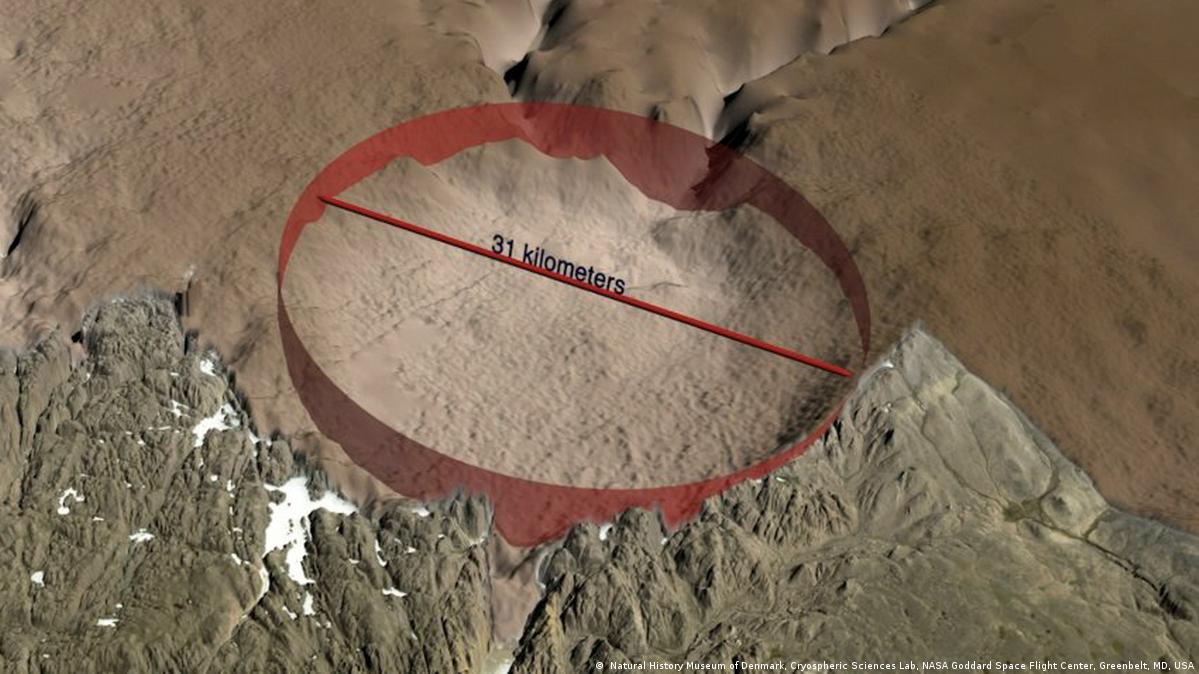
Introduction The study of asteroid craters holds significant importance for understanding Earth’s geological history and assessing potential future impacts from space. These craters provide invaluable insights into the events that have shaped our planet, including the extinction of species and the evolution of ecosystems. With recent advancements in technology and space exploration, scientists are continually

Introduction The Moon, Earth’s only natural satellite, has fascinated humanity for centuries. As a significant celestial body, it has impacted tides, influenced cultural beliefs, and has become the focus of numerous exploration missions. Its relevance has surged to new heights in recent years as various nations and private entities embark on missions aiming to return

Introduction The Moon has long captivated humanity, serving as a source of inspiration, study, and exploration. As Earth’s only natural satellite, it holds critical significance for scientific research, space exploration, and cultural symbolism. Recent developments in lunar exploration, including missions from various space agencies, have brought renewed interest in our closest celestial neighbor and its
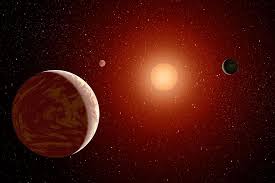
Introduction Red dwarf stars are the most abundant type of stars in the universe, making up about 70-80% of all stars. These stars are smaller and cooler than our Sun, yet they play a crucial role in the cosmos. Understanding red dwarfs is essential for astronomers as they can influence the formation of planetary systems

Introduction The sky and Mercury represent two vastly different realms in our solar system. The sky, as we perceive it from Earth, is a vast expanse filled with clouds, stars, and celestial phenomena, while Mercury, the closest planet to the Sun, is characterised by its harsh conditions and unique geological features. Understanding the distinctions and