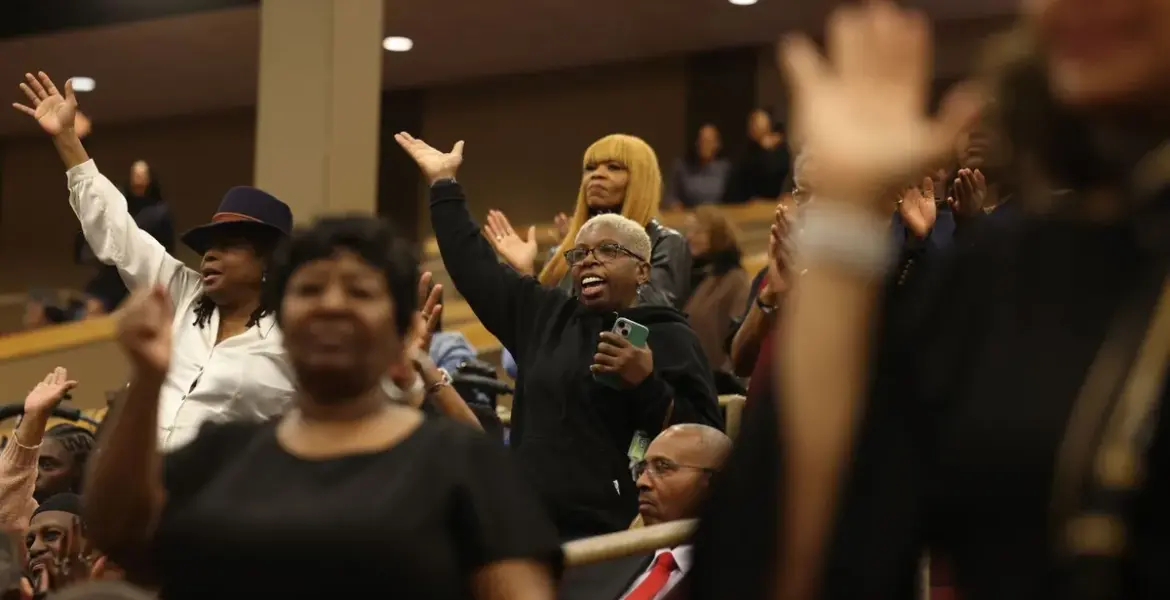
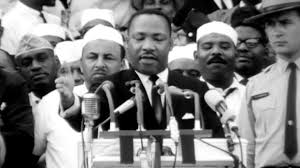
Introduction to Martin Luther King Jr. Martin Luther King Jr. stands as one of the most significant figures in American history, renowned for his pivotal role in the civil rights movement of the 1950s and 1960s. His commitment to non-violence and social justice not only transformed the landscape of race relations in the United States
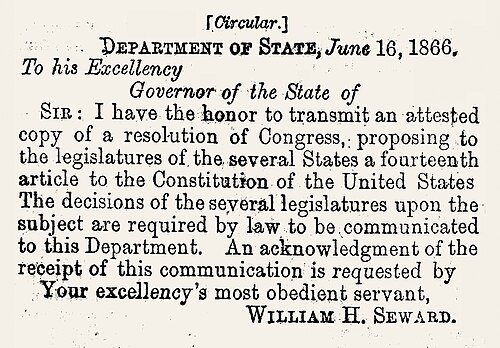
Introduction The 14th Amendment, ratified in 1868, is a cornerstone of American constitutional law and protects the rights of citizens, especially in the context of civil rights and liberties. As current legal debates continue to shape the understanding and application of this amendment, its relevance remains increasingly significant in today’s socio-political climate. Historical Context Initially

Introduction The case of Jean Charles de Menezes remains a significant and somber event in British history, symbolising the intersection of police conduct, public safety, and civil rights. On July 22, 2005, the Brazilian national was shot by police at Stockwell Underground Station in London after being mistaken for a suspect in a series of

Introduction Harvey Milk, a pioneering activist and politician, holds a crucial place in the history of LGBTQ+ rights in the United States. As one of the first openly gay elected officials in the nation, Milk’s career and tragic assassination in 1978 marked significant milestones in the fight for equality. His life and legacy continue to

Introduction In an era marked by heightened awareness of civil liberties and social justice, the organisation defending individual rights has garnered significant media attention. The New York Times recently highlighted its pivotal role in advocating for the rights of individuals across various sectors, from education to employment. This organisation is at the forefront of legal