
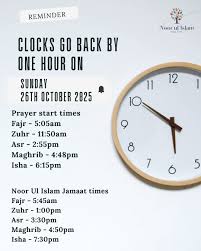
The Importance of Daylight Saving Time Daylight Saving Time (DST) has been a topic of debate across many nations since its inception. The practice involves moving the clocks forward by one hour in spring and back again in autumn. This shift is designed to make better use of daylight during the longer days of summer,

Understanding the Clocks Change As the seasons transition, millions of people across the UK prepare for the annual ritual of changing their clocks. This event, aligned with the start and end of Daylight Saving Time (DST), is a significant marker in the calendar that affects daily routines, business operations, and leisure activities. The Importance of

Introduction to the Clocks Going Back As autumn approaches, the familiar reminder that ‘clocks go back’ becomes relevant once again. This annual event marks the end of Daylight Saving Time (DST) in the UK, when clocks are set back one hour. This change, which occurs on the last Sunday in October, is significant not only
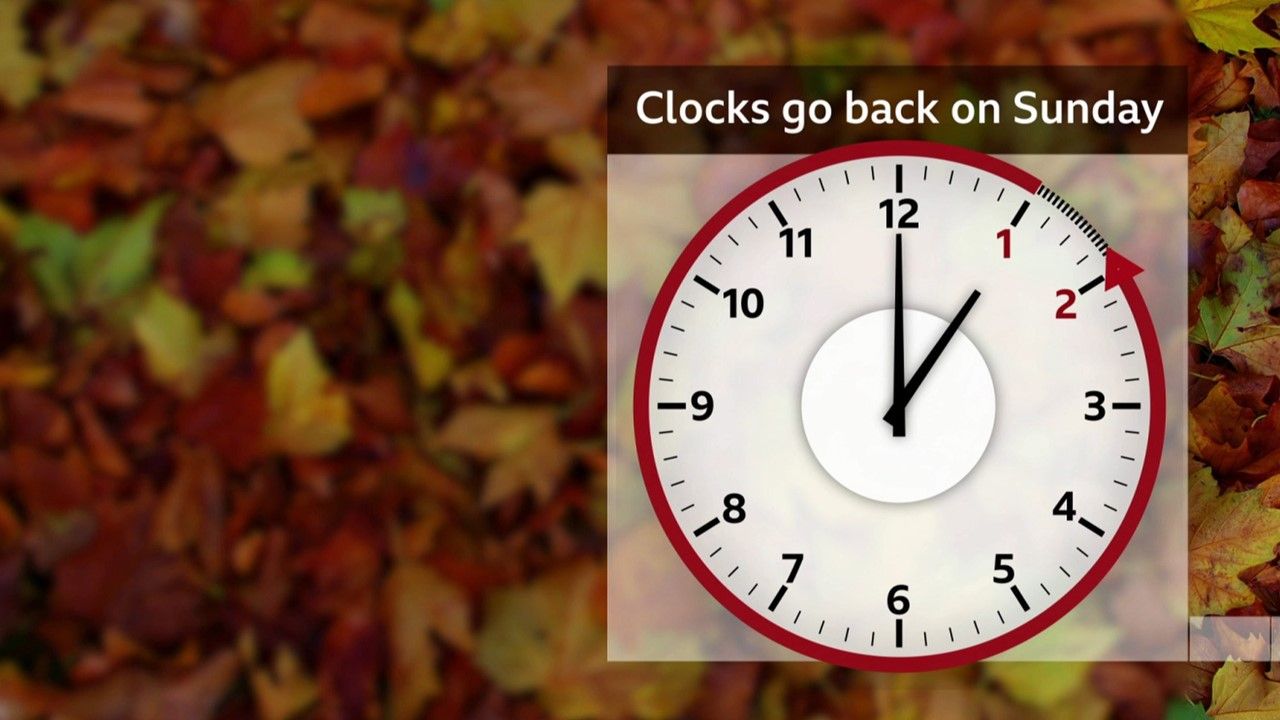
The Importance of Clocks Going Back Every year, the transition from summer to winter time has significant implications for daily life in the UK. The clocks go back one hour at 2:00 AM on the last Sunday in October, impacting everything from sleep schedules to daily routines. This year, the clocks will go back on

Introduction The biannual event of changing the clocks has been a tradition in many countries, including the United Kingdom, for decades. The clocks go back at 2 am on the last Sunday of October, marking the end of British Summer Time (BST) and the return to Greenwich Mean Time (GMT). In 2025, this change will
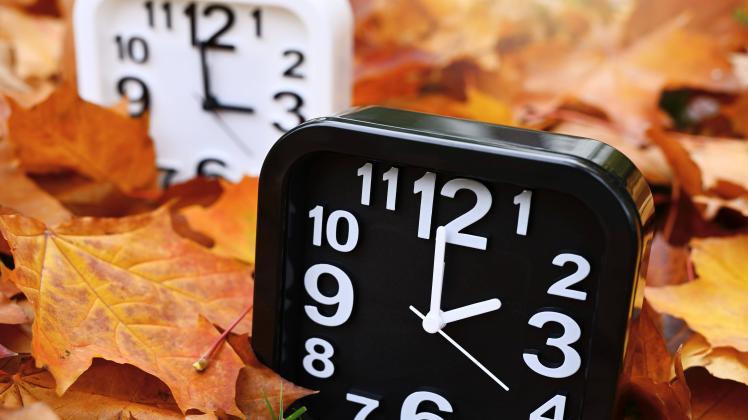
Introduction The changing of clocks, specifically the event known as ‘clocks go back’, marks the end of British Summer Time (BST) and the return to Greenwich Mean Time (GMT). This annual tradition, which occurs on the last Sunday in October, has implications for many aspects of daily life, including health, safety, and economic activities. Understanding