Introduction Clocks are an essential part of modern life, governing our schedules, ensuring punctuality, and facilitating a sense of order in our daily routines. As society becomes increasingly fast-paced, the significance of accurate timekeeping is more relevant than ever. In a world where every second counts, understanding the various types of clocks and their evolution
Introduction As the end of October approaches each year, millions of people in the UK prepare for the annual clock change as daylight saving time comes to an end. The clocks go back one hour at 2:00 AM on the last Sunday of October, signalling the transition from British Summer Time (BST) to Greenwich Mean
Introduction The changing of clocks, specifically the event known as ‘clocks go back’, marks the end of British Summer Time (BST) and the return to Greenwich Mean Time (GMT). This annual tradition, which occurs on the last Sunday in October, has implications for many aspects of daily life, including health, safety, and economic activities. Understanding
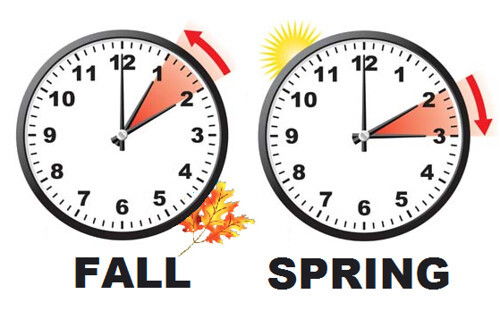
Understanding the Biannual Time Change The practice of changing the clocks, known as daylight saving time (DST), plays a crucial role in how we utilise sunlight and adjust our daily routines. In 2025, the clocks will go back by one hour on Sunday, 26 October, at 2:00 AM, marking the end of daylight saving time