
Introduction The king cobra (Ophiophagus hannah) is not only the world’s longest venomous snake but also holds a significant place in the ecosystem as a top predator. Its unique biological characteristics and impressive size, along with its role in local cultures, make it a fascinating subject of study. As natural habitats face increasing threats, understanding

Introduction to Forest Score The concept of ‘Forest Score’ has gained significant traction in environmental discussions, emphasizing the urgent need for effective forest management and conservation strategies. As global deforestation rates continue to climb due to agricultural expansion, urbanisation, and logging, maintaining healthy forest ecosystems is vital. The Forest Score serves as a metric to

Introduction Forests cover about 31% of the Earth’s land area and are home to more than 80% of terrestrial species. Their conservation is crucial in addressing climate change, preserving biodiversity, and sustaining the livelihoods of millions of people. With ongoing challenges such as deforestation, climate change, and forest degradation, understanding the role forests play is

Introduction The Yangtze River, spanning approximately 6,300 kilometres, is the longest river in Asia and the third longest in the world. It plays a crucial role in the ecology, economy, and culture of China, serving as a vital waterway for transportation, irrigation, and hydroelectric power generation. Given its significance, recent events surrounding the river’s management

Introduction The National Arboretum, an extensive botanical garden dedicated to the cultivation and study of trees, plays a crucial role in conservation, education, and recreation. Situated in Canberra, Australia, it was officially opened in 2013, replacing the former arboretum that was lost in the 2003 bushfires. With its significant focus on biodiversity and environmental stewardship,

Introduction As global conversations around environmental sustainability and wildlife conservation intensify, individuals like Harvey Willgoose emerge as vital players in fostering awareness and action. Willgoose, a conservationist dedicated to preserving natural habitats and protecting endangered species, is increasingly making headlines for his remarkable work and advocacy. His recent initiatives highlight the importance of grassroots movements

Introduction Forests cover about 31% of the world’s land area, playing a vital role in maintaining ecological balance, supporting biodiversity, and combating climate change. With increasing deforestation rates, the importance of forest conservation has never been more critical. This article examines the current state of global forests, their significance, and the urgent need for collective
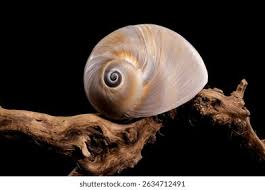
Introduction The Polymita snail, particularly Polymita picta, is a remarkable species native to the lush landscapes of Cuba. With its vibrant, intricately patterned shells, the Polymita has captured the interest of both researchers and collectors alike. However, despite its stunning appearance, the Polymita snail faces significant threats due to habitat destruction and illegal harvesting. Understanding
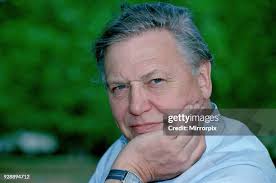
Introduction David Attenborough, an iconic figure in the realms of natural history and wildlife documentaries, has played a crucial role in raising public awareness about environmental issues. As the world grapples with climate change and biodiversity loss, his work has never been more relevant. Attenborough’s ability to connect audiences with the wonders of the natural
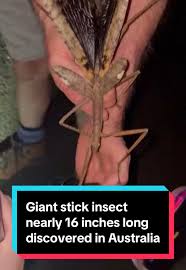
Introduction The Australian stick insect, a remarkable example of nature’s ingenuity, plays a significant role in the biodiversity of Australia’s ecosystems. Known for their incredible ability to blend into their surroundings, these insects are not only fascinating but also important for understanding ecological balance. Their unique adaptations and behaviours reflect the evolutionary paths taken by