
Introduction Time is a fundamental aspect of daily life and facilitates social coordination, business operations, and personal activities. In the UK, the way time is measured and understood holds particular significance due to its historical and cultural implications. The UK operates on Greenwich Mean Time (GMT) during the winter months and shifts to British Summer
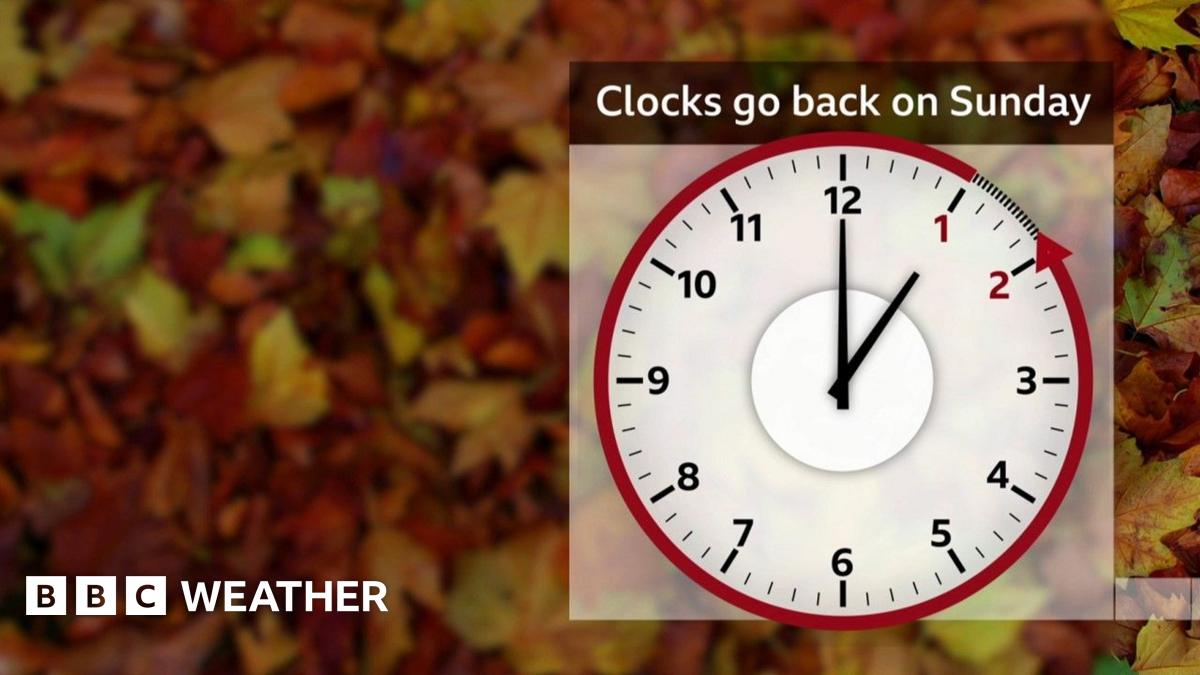
The Importance of Daylight Saving Time As autumn arrives, many in the UK eagerly anticipate the clock change, marking the end of British Summer Time (BST) and the return to Greenwich Mean Time (GMT). On October 29, 2023, at 2:00 AM, clocks were set back one hour to 1:00 AM, offering an opportunity for longer
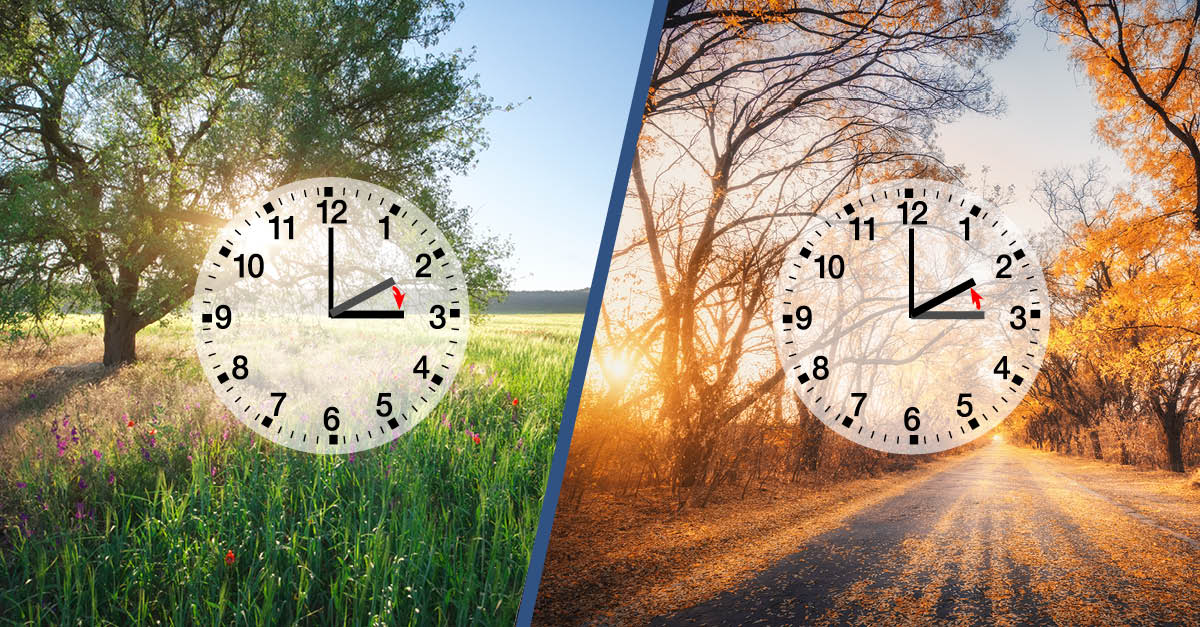
Introduction The clock change, a twice-yearly adjustment that many people schedule their routines around, is an important topic for both individuals and businesses in the UK. As we approach significant changes to the time adjustment process in 2025, understanding the potential impacts and the rationale behind these changes becomes essential. The upcoming reform could alter
Introduction to the Clock Change Every year, millions of people across the UK and Europe adjust their clocks twice a year in a process known as Daylight Saving Time (DST). The clock change occurs in March and October, leading to shifts in routine, anxiety over sleep patterns, and even impacts on productivity. Understanding the implications
Introduction The time change in the UK has become an annual event that captures public attention as the nation prepares to adjust its clocks. This phenomenon occurs twice a year, typically on the last Sunday in March and the last Sunday in October. It’s critical for various reasons: energy conservation, daylight savings, and the overall
Introduction As the end of October approaches each year, millions of people in the UK prepare for the annual clock change as daylight saving time comes to an end. The clocks go back one hour at 2:00 AM on the last Sunday of October, signalling the transition from British Summer Time (BST) to Greenwich Mean
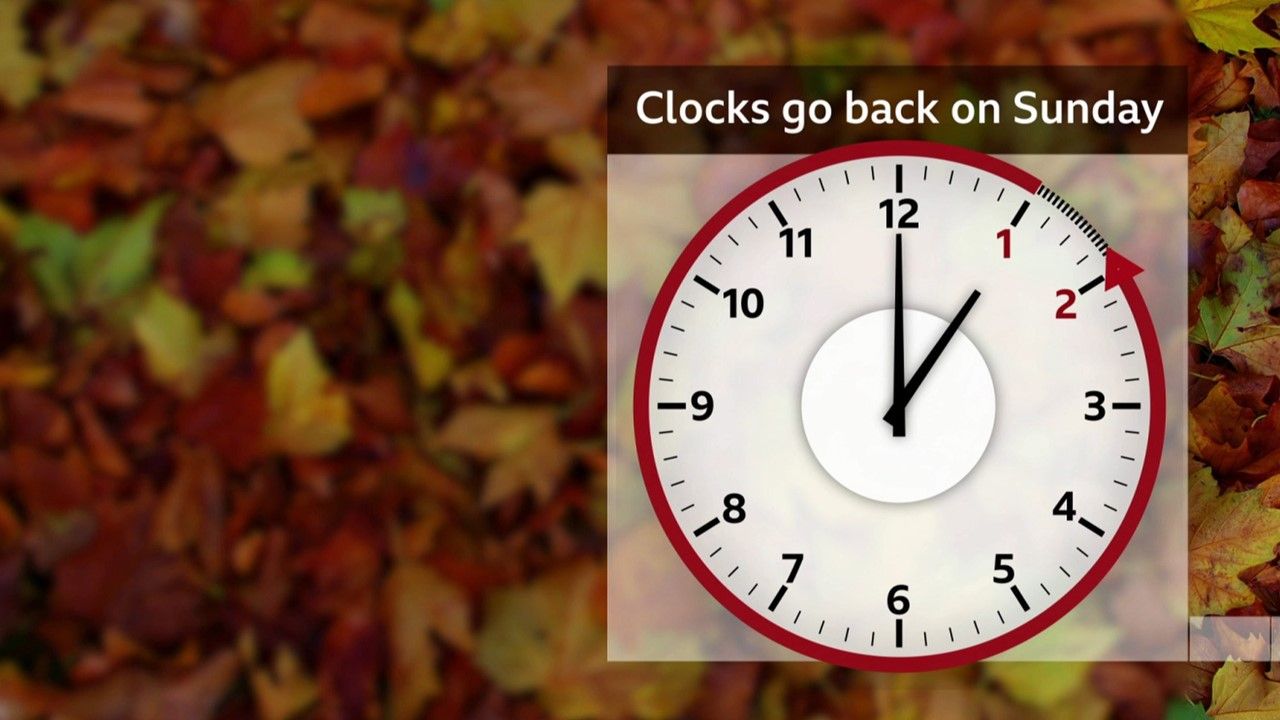
The Importance of Clocks Going Back Every year, the transition from summer to winter time has significant implications for daily life in the UK. The clocks go back one hour at 2:00 AM on the last Sunday in October, impacting everything from sleep schedules to daily routines. This year, the clocks will go back on
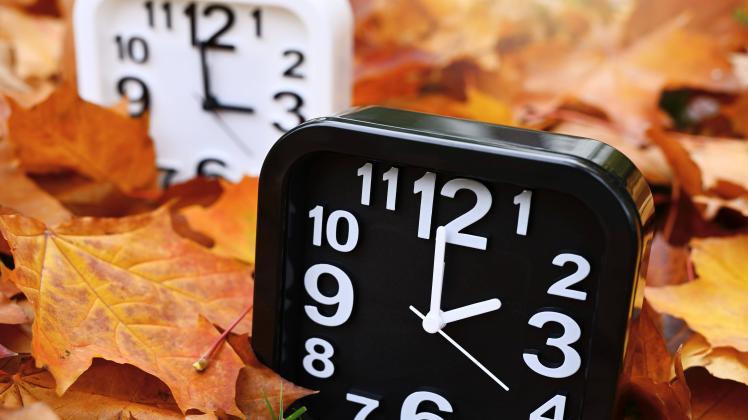
Introduction The changing of clocks, specifically the event known as ‘clocks go back’, marks the end of British Summer Time (BST) and the return to Greenwich Mean Time (GMT). This annual tradition, which occurs on the last Sunday in October, has implications for many aspects of daily life, including health, safety, and economic activities. Understanding
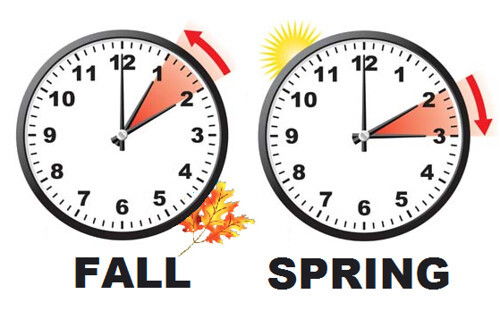
Understanding the Biannual Time Change The practice of changing the clocks, known as daylight saving time (DST), plays a crucial role in how we utilise sunlight and adjust our daily routines. In 2025, the clocks will go back by one hour on Sunday, 26 October, at 2:00 AM, marking the end of daylight saving time