
Introduction Monkeys play a crucial role in the ecosystems they inhabit, acting as both seed dispersers and keystone species. Their presence is vital for maintaining the balance of their environments, making their conservation increasingly important in the face of habitat loss and climate change. This relevance is spotlighted by various recent studies that highlight the

Introduction Phosphorus, often denoted by the symbol (P), is a critical nutrient that plays a pivotal role in agriculture, environmental sustainability, and human health. As one of the essential macronutrients for plants, phosphorus is fundamental for food production, affecting crop yield and quality. This article delves into the significance of phosphorus, current issues surrounding its
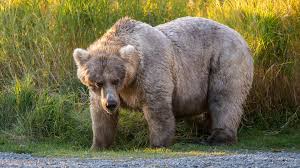
Introduction Fat Bear Week is an annual event that not only highlights the majestic bears of Katmai National Park in Alaska but also sheds light on vital wildlife conservation efforts. Each year, this unique event captures the attention of thousands as it celebrates the fattening bears preparing for hibernation, thus drawing public interest in preserving

Introduction The return of wolves to many parts of North America and Europe has sparked discussions about their essential role in maintaining healthy ecosystems. These apex predators significantly influence the behaviour and populations of other species, promoting biodiversity and contributing to environmental balance. The Ecological Importance of Wolves Wolves have been historically misunderstood, often viewed

The Importance of Wolves Wolves are apex predators that play a crucial role in maintaining the balance of ecosystems. Their presence can regulate prey populations, which in turn affects vegetation growth and the overall health of the habitats they inhabit. As such, wolves are often referred to as a keystone species. Recent Events Impacting Wolves

Introduction Wild ecosystems are vital not only for the biodiversity they support but also for the numerous benefits they provide to humanity and the planet. These natural habitats, ranging from dense forests and sprawling savannahs to the depths of oceans, are crucial for maintaining ecological balance, preserving wildlife, and regulating climate. As human activities increasingly
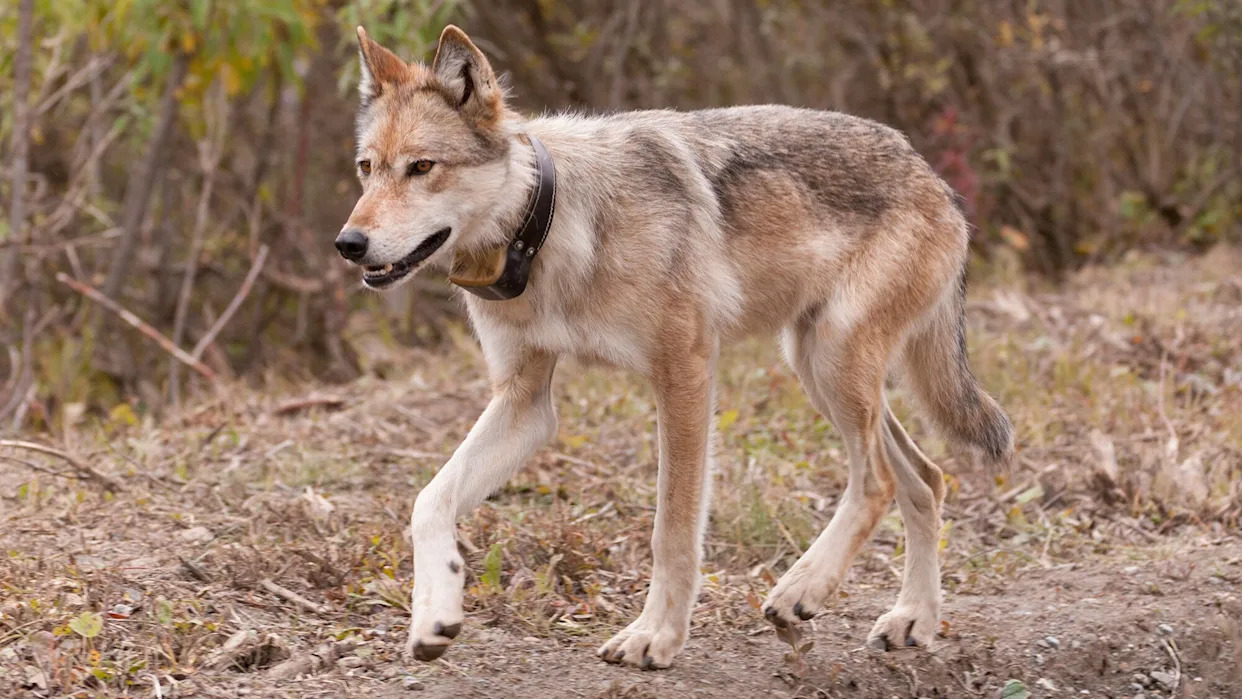
The Relevance of Wolves in Today’s Ecosystem Wolves play a crucial role in maintaining the ecological balance of their habitats. As apex predators, they help regulate prey populations, which can lead to healthier, more diverse ecosystems. The presence of wolves can also influence the behaviour of other species, contributing to a richer biodiversity. Current Events

Introduction Forests cover about 31% of the Earth’s land area, playing a vital role in sustaining biodiversity, regulating climate, and supporting human life. As ecosystems that are home to over 80% of terrestrial species, forests serve as critical resources and havens for wildlife. However, deforestation and habitat loss are posing significant threats to these valuable