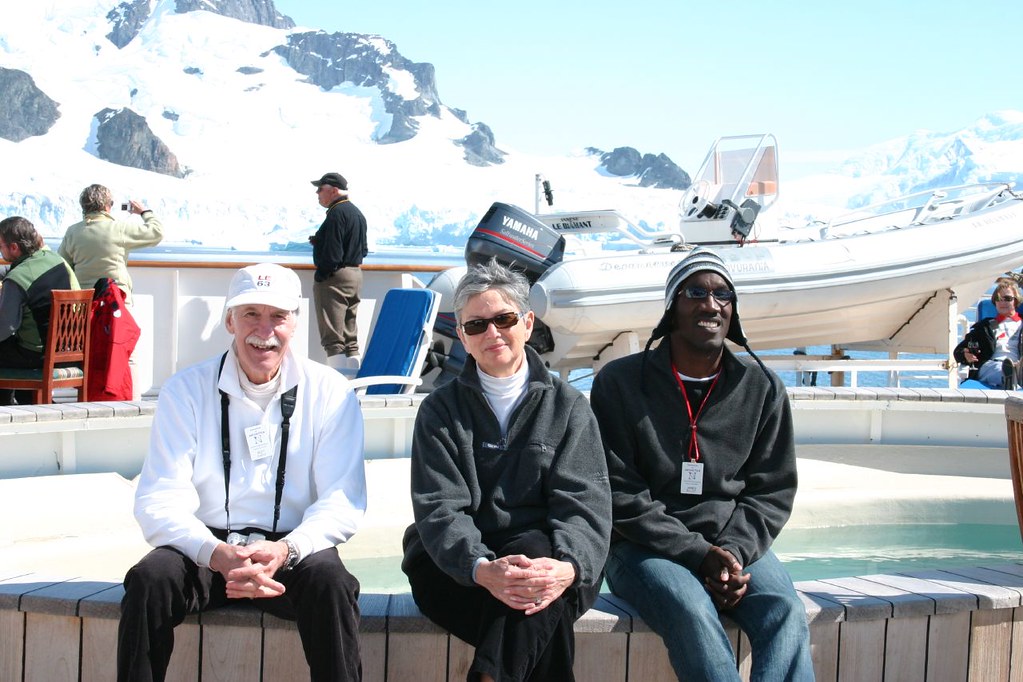
Introduction to Antarctica Antarctica, Earth’s southernmost continent, is recognized for its stunning glaciers, unique wildlife, and extreme weather conditions. Covering an area of 14 million square kilometres, it is vital for scientific research and offers essential insights into climate change, marine ecosystems, and global weather patterns. Recently, the significance of this icy expanse has become
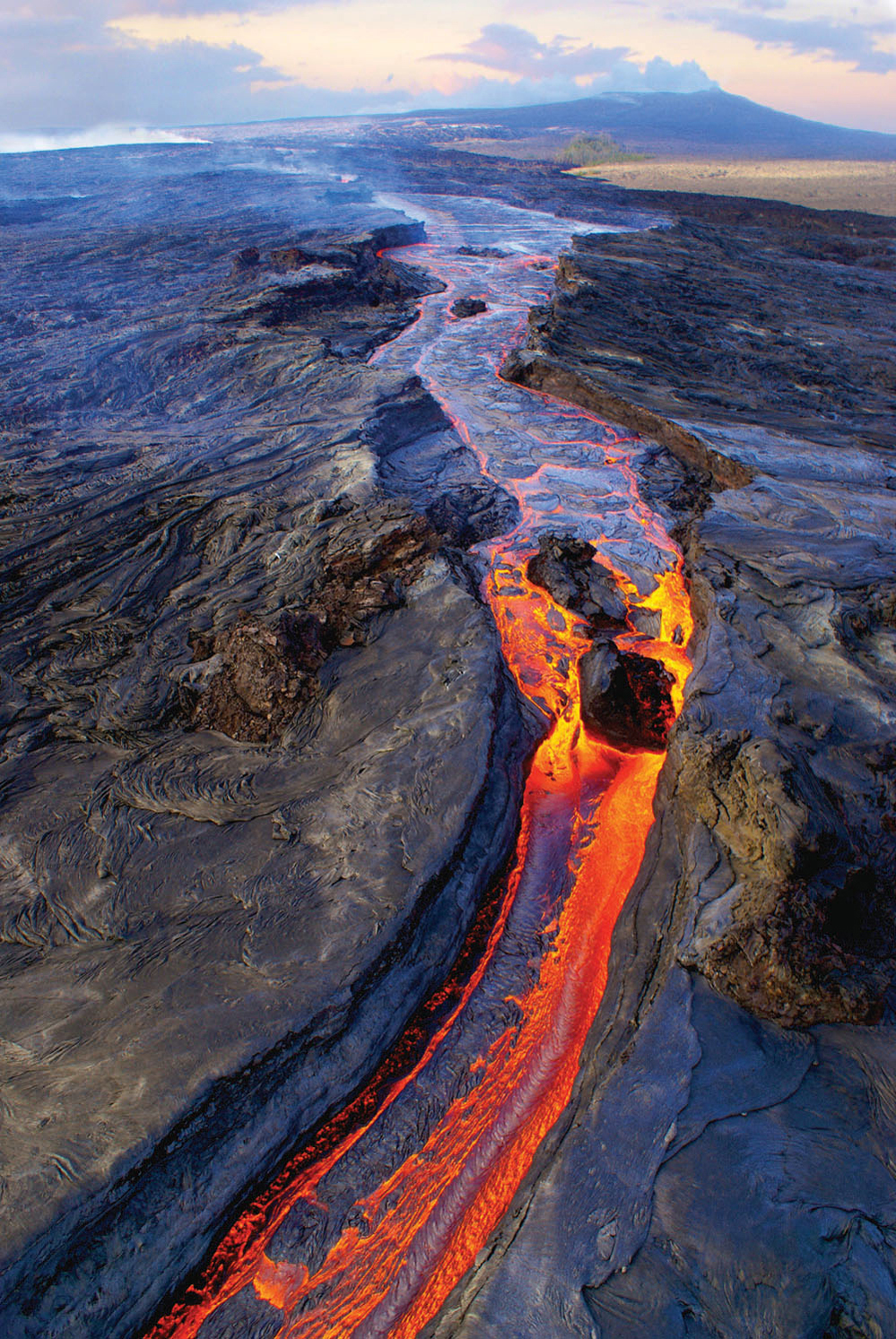
Introduction to Mauna Loa Mauna Loa, located on the Big Island of Hawaii, is the world’s largest active volcano, making it a topic of great significance not only in geology but also in understanding volcanic activity and its implications for local ecosystems and communities. The volcano’s recent increase in seismic activity has heightened concerns among

Introduction Oases are unique ecosystems that hold great significance in the world, particularly in arid and semi-arid regions. As pockets of fertile land surrounded by deserts, these vital areas support diverse wildlife and human communities by providing essential resources such as freshwater and vegetation. In light of climate change and increasing desertification, the study and