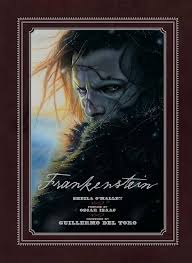
Introduction Guillermo Del Toro, the acclaimed filmmaker known for his visually stunning and emotionally resonant narratives, is set to reimagine the classic tale of Frankenstein. The story, originally penned by Mary Shelley in 1818, explores complex themes of creation and humanity, making it ever-relevant. In a time where adaptation and reinterpretation reign supreme in cinema,

Introduction Frankenstein, the iconic novel by Mary Shelley, has been a cornerstone of gothic literature since its publication in 1818. As we approach 2025, the relevance of Frankenstein resonates more profoundly than ever, as society grapples with technological advancements, ethical dilemmas, and the nature of humanity. Recent adaptations and reimaginings of the story are sparking

Introduction Mary Shelley’s Frankenstein, published in 1818, stands as a monumental work in both literature and the study of ethics in science. This novel not only introduced the concept of a creature brought to life by unconventional means, but it also posed critical questions about the responsibilities of creators and the consequences of scientific exploration.
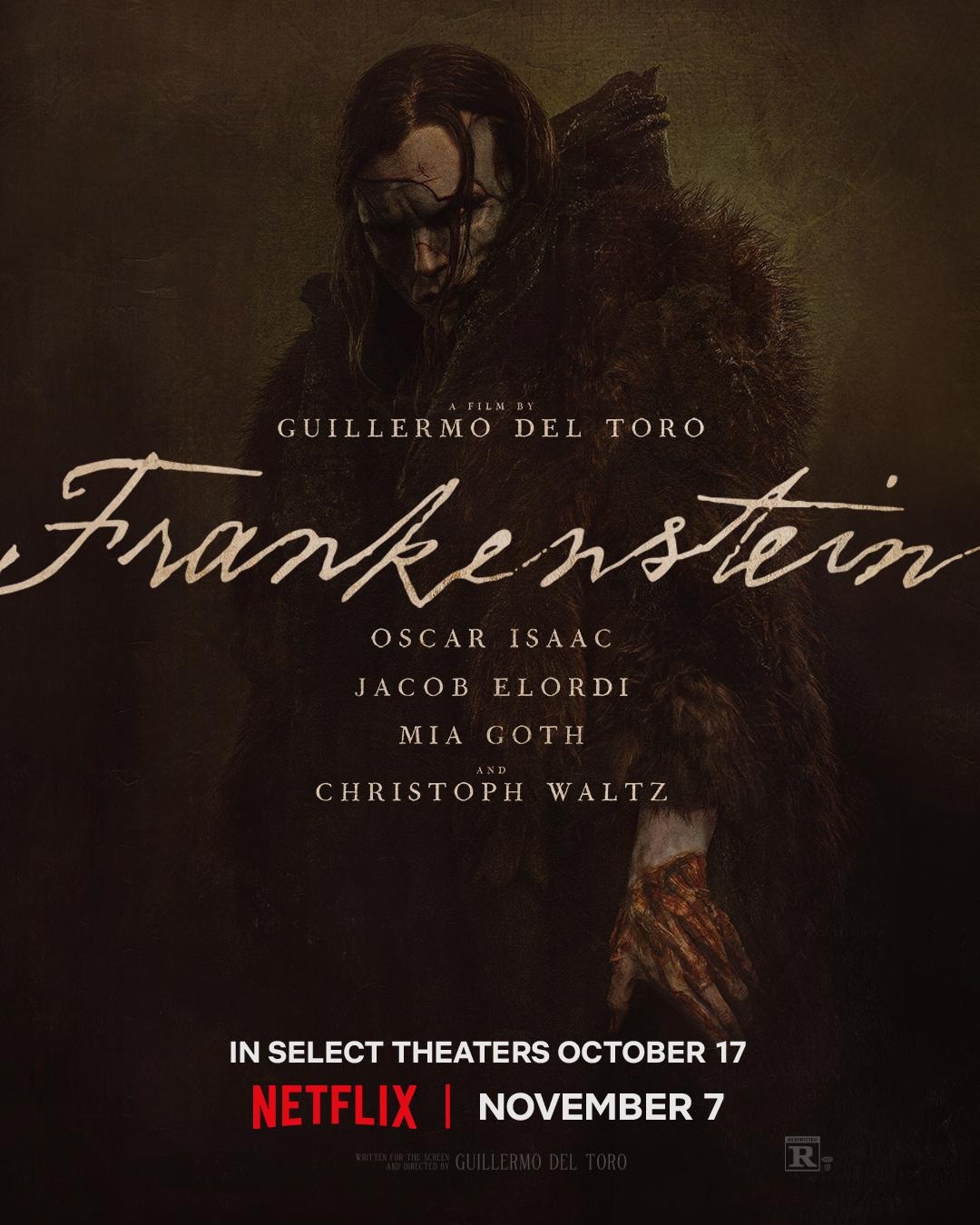
Introduction to Frankenstein 2025 The concept of Frankenstein, born from Mary Shelley’s 1818 novel, has transcended literature into modern-day discussions surrounding technology and artificial intelligence (AI). As we enter 2025, the importance of this topic is underscored by rapid advancements in AI and robotics, raising both ethical questions and innovative possibilities. Technological Advancements Over the

An Introduction to Frankenstein Mary Shelley’s 1818 novel Frankenstein remains a cornerstone of Gothic literature and an enduring symbol of the ethical dilemmas posed by scientific exploration. As humanity delves deeper into artificial intelligence and genetic engineering, Shelley’s tale of creation and consequence resonates more than ever. The relevance of Frankenstein extends beyond its narrative;