
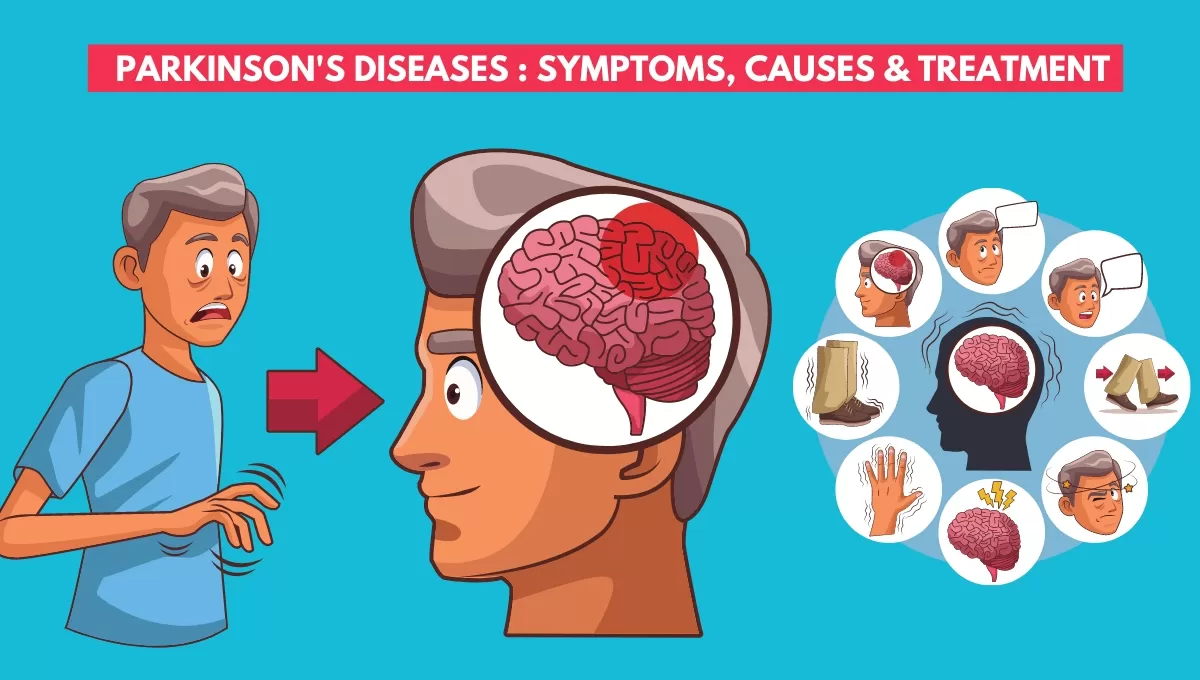
Introduction Parkinson’s disease (PD) is a progressive neurological disorder that affects movement control due to the loss of dopamine-producing neurons in the brain. It is estimated that around 145,000 people in the UK are currently living with this condition, making awareness and understanding of Parkinson’s more crucial than ever. As research advances, new insights into
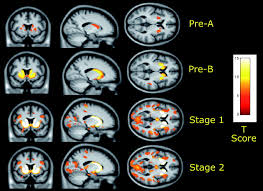
Introduction Huntington’s Disease (HD) is a neurodegenerative disorder that has significant implications for individuals, families, and healthcare systems. With its genetic basis and progressive nature, the disease affects cognitive, motor, and psychiatric functions. As research continues to advance, understanding the complexities of HD is crucial for developing effective treatments and providing support to affected individuals.

Introduction Multiple Sclerosis (MS) is an autoimmune disease that affects the central nervous system. With recent studies and developments, understanding MS is more essential than ever for both patients and the general public. Over 100,000 people in the UK live with this challenging condition, underscoring the need for increased awareness and research. Understanding MS MS
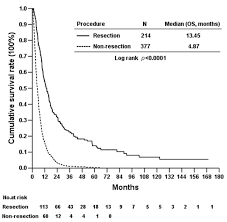
Introduction Pancreatic cancer is often dubbed the ‘silent killer,’ largely due to its asymptomatic nature in the early stages and late diagnoses. According to Cancer Research UK, pancreatic cancer is the tenth most common cancer diagnosed in the UK, with almost 10,000 new cases every year. The increasing prevalence of this disease highlights the necessity

Introduction Ehlers-Danlos Syndrome (EDS) is a group of connective tissue disorders that primarily affect the skin, joints, and blood vessel walls. Its significance lies in the fact that EDS is often underdiagnosed and misunderstood, yet it affects a substantial population worldwide. Awareness of EDS is crucial for improving diagnosis and management, as the condition can
The Importance of Autism Awareness Autism Spectrum Disorder (ASD) is a neurodevelopmental condition that affects millions of people worldwide. Awareness and understanding of autism have gained momentum in recent years, highlighting the need for inclusive policies, better support systems, and community engagement. With current statistics estimating that 1 in 100 children globally is diagnosed with