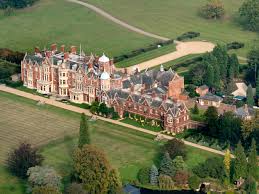
Introduction to Sandringham Estate The Sandringham Estate, situated in Norfolk, has long been a significant symbol of the British Royal Family. Renowned as a cherished country retreat, it is often associated with family gatherings, festive celebrations, and royal traditions. Its historical significance, expansive grounds, and architectural beauty make it a point of interest for both
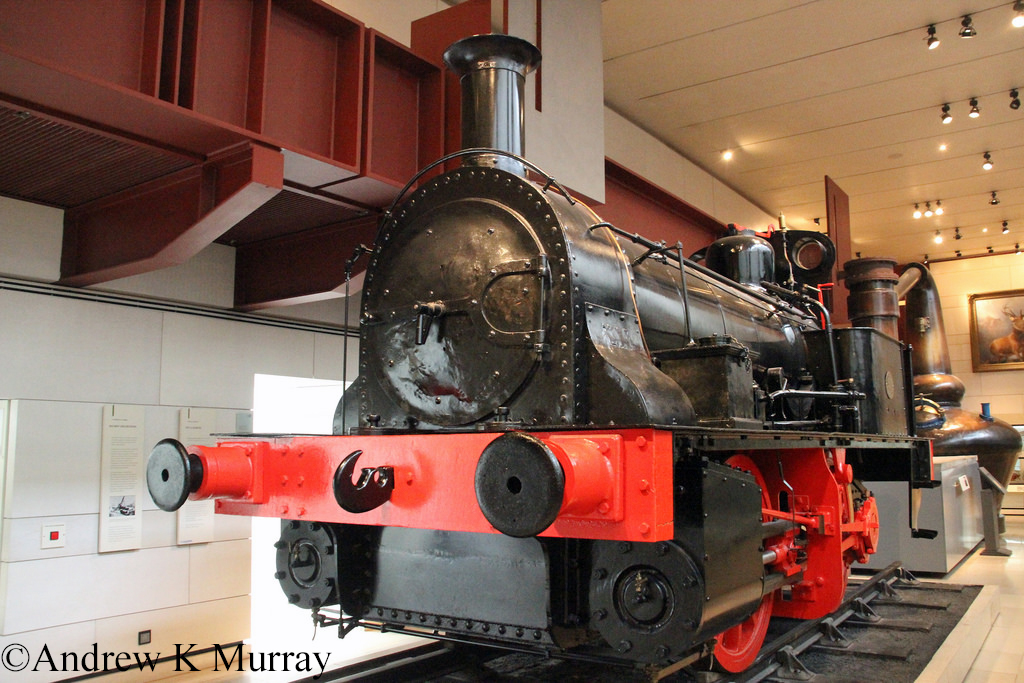
Introduction Edinburgh, the capital city of Scotland, is renowned for its rich history and dynamic culture. As a UNESCO World Heritage site, it attracts millions of visitors each year, making it not only a focal point of Scottish heritage but also an important economic driver through tourism. From its iconic landmarks to vibrant festivals, Edinburgh

Introduction The White House is not just the residence of the President of the United States; it is a symbol of American power and governance. This historic building, located at 1600 Pennsylvania Avenue NW in Washington, D.C., represents the ideals and aspirations of a nation. The importance of the White House extends beyond its architectural
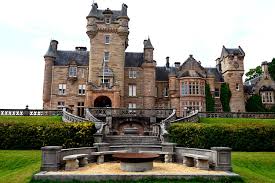
Introduction to Traitors’ Castle Traitors’ Castle, known for its haunting history and cultural significance, stands as a striking landmark in Welsh history. Located in the heart of Conwy, this architectural marvel was once a place of imprisonment and punishment for those deemed traitors to the crown. Its relevance endures today, as it gives insight into
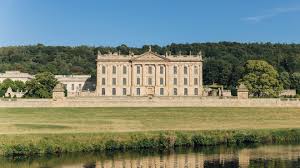
Introduction to Chatsworth House Chatsworth House, located in Derbyshire, England, stands as one of the most remarkable stately homes in the United Kingdom. This historic estate, owned by the Cavendish family for over 500 years, is not only a symbol of architectural magnificence but also a significant cultural treasure. Chatsworth House attracts visitors from around
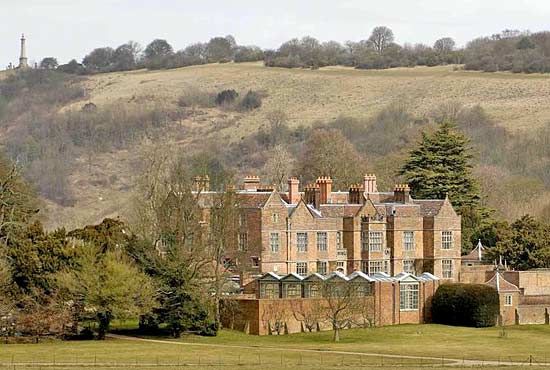
Introduction Chequers, the country retreat of the British Prime Minister, holds significant historical and political relevance in the United Kingdom. Situated in Buckinghamshire, this 16th-century mansion serves as a venue for high-level meetings and a place for the Prime Minister to unwind away from the pressures of London. Understanding the role and evolution of Chequers

Introduction The Westbury White Horse, carved into the chalk hillside of Wiltshire, is one of the most iconic landmarks in England. This enormous hill figure has stood for centuries, representing both historical and cultural significance for locals and visitors alike. As a prominent attraction, it not only draws in tourists but also serves as a
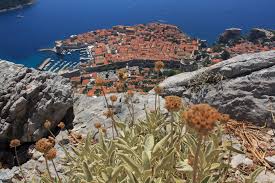
Introduction Dubrovnik, often referred to as the ‘Pearl of the Adriatic’, is a historic coastal city in Croatia known for its well-preserved medieval architecture and vibrant cultural heritage. The city has gained significant global attention and popularity, especially in recent years, making it a must-visit destination for travellers seeking both beauty and history. With UNESCO

Introduction Dewsbury Hall stands as a significant cultural landmark within the West Yorkshire area, symbolising community engagement and historical heritage. Serving various functions, it contributes to the local arts scene and public life, making it an essential venue for events. The History of Dewsbury Hall Originally built in the late 19th century, Dewsbury Hall reflects

Introduction St Andrews, a charming town located on the east coast of Scotland, is renowned for its historic significance, notably as the home of the oldest university in Scotland and a pivotal location in the world of golf. For tourists and locals alike, St Andrews offers an array of attractions that reflect its rich heritage