

Introduction Milan, the second-largest city in Italy, is renowned for its rich cultural heritage, fashion industry, and economic significance. As the capital of the Lombardy region, it serves as a global hub for business and design, attracting millions of tourists yearly. Understanding Milan’s contemporary relevance in fashion, art, and architecture presents an excellent opportunity for
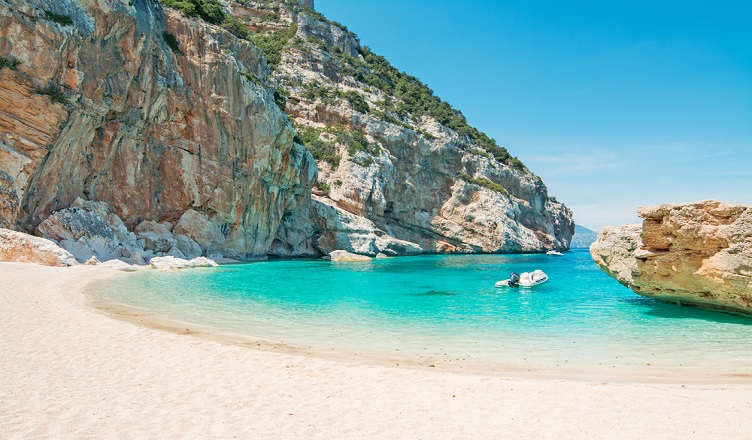
Introduction to Sardinia Sardinia, the second-largest island in the Mediterranean Sea, is a stunning location known for its enchanting beaches, diverse landscapes, and rich cultural heritage. It plays a crucial role in tourism for Italy, drawing millions of visitors each year with its fascinating history and natural beauty. The current events surrounding Sardinia further elevate

Introduction Modena, a vibrant city located in the heart of Italy’s Emilia-Romagna region, is renowned for its rich historical heritage, exceptional culinary offerings, and significant automotive industry. As a UNESCO World Heritage site, it is crucial for tourists and locals alike to appreciate the city’s influence on both culture and cuisine. Recent events have rekindled

Introduction Lazio, a stunning region nestled in the heart of Italy, is perhaps best known as the home of Rome, the Eternal City. This region is not just a geographical entity; it embodies centuries of cultural and historical significance that draw millions of tourists each year. The importance of Lazio extends beyond its famous capital,

Introduction Lazio, a region located in central Italy, is renowned for its rich cultural heritage, stunning landscapes, and historical significance. As the home of the capital city, Rome, Lazio boasts a unique blend of ancient history and modern vibrancy. Its significance extends beyond just geographical borders; it is a pivotal area in understanding Italian history,

Introduction: The Allure of Sicily Sicily, the largest island in the Mediterranean Sea, boasts a unique blend of cultures, history, and natural beauty that attracts millions of tourists every year. Its strategic location has made it a melting pot of influences from various civilisations, including the Greeks, Romans, Arabs, and Normans. As Italy’s southernmost region,

Introduction Verona, located in northern Italy, is a city renowned for its romantic scenery and rich historical significance. As the setting for Shakespeare’s “Romeo and Juliet,” it draws millions of visitors each year. The city’s intricate architecture and cultural heritage make it an essential destination for anyone interested in the arts and history. Historical Significance

Introduction Italy, renowned for its rich history, art, and cuisine, plays a significant role in European culture and the global economy. As a member of the European Union, Italy faces unique challenges and opportunities that affect its socio-economic landscape today. Cultural Heritage Italy is home to 58 UNESCO World Heritage Sites, more than any other

Introduction Venice, the renowned floating city of Italy, has captured the hearts of many with its winding canals, stunning architecture, and rich cultural heritage. As a UNESCO World Heritage Site, its historical significance and unique charm make it one of the most visited destinations in the world. The city’s configuration of islands and the absence