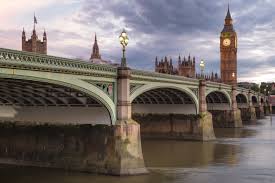
Introduction Westminster Bridge is an iconic landmark in London, situated over the River Thames, connecting Westminster and Lambeth. Built initially in the 18th century, it serves not just as a vital transport link but also as a symbol of the city’s rich history and architectural beauty. Its relevance has only increased over the years, drawing
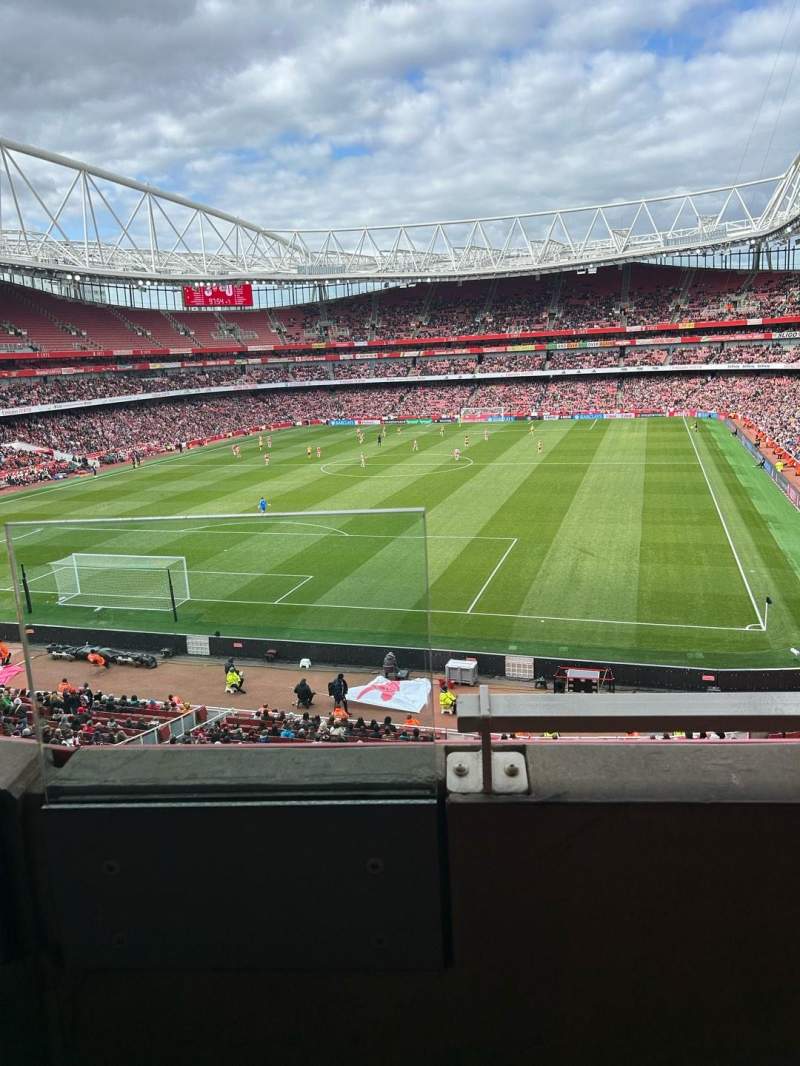
Introduction to Emirates Stadium The Emirates Stadium, located in Holloway, North London, is a premier football venue famous for being the home of Arsenal Football Club. Unveiled in 2006, the stadium has since become an iconic symbol of modern football, blending state-of-the-art facilities with rich tradition. Its relevance extends beyond just being a sports arena,

Introduction The Glenfinnan Viaduct, located in the Highlands of Scotland, has captured the imaginations of locals and tourists alike. Known for its stunning architecture and scenic surroundings, this iconic railway bridge serves not only as a crucial transportation link but also as a symbol of Scottish heritage and natural beauty. Opened in 1901, the viaduct
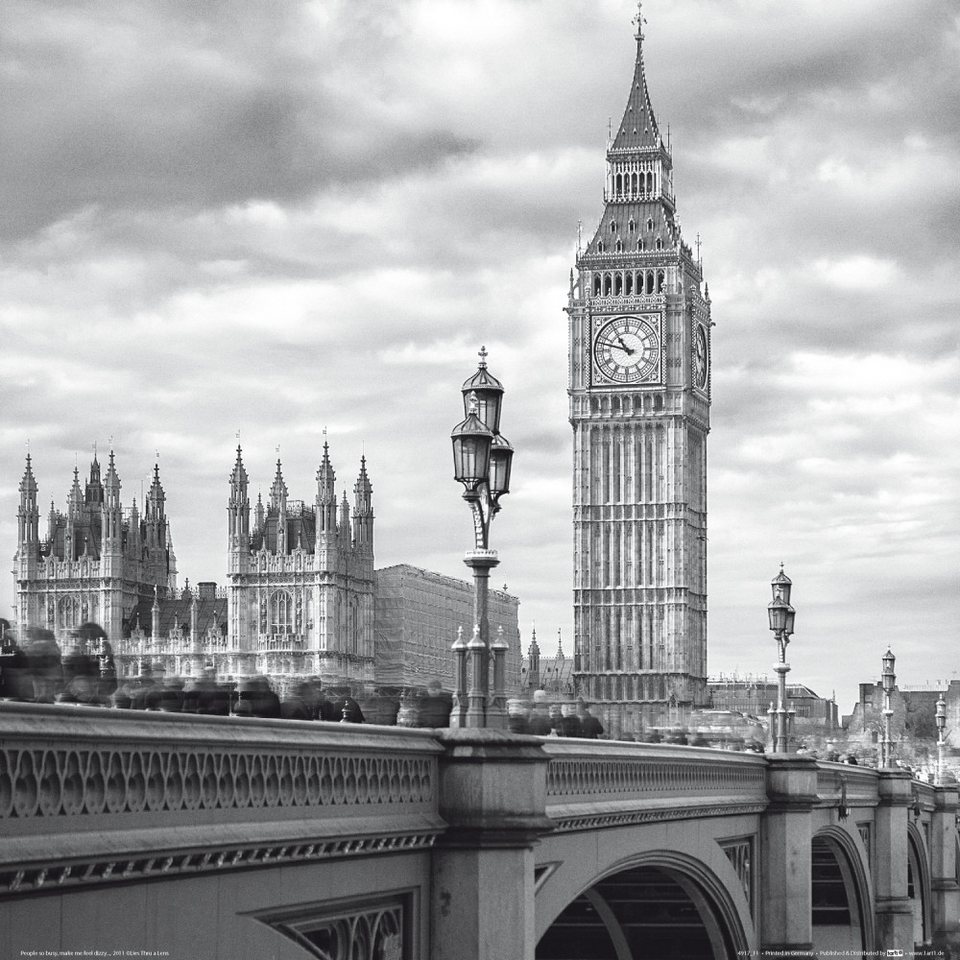
Introduction Westminster Bridge, spanning the River Thames, is not only a vital thoroughfare in London but also a significant historical and cultural landmark. Connecting the iconic Houses of Parliament with the vibrant South Bank, the bridge serves as a gateway to some of the city’s most notable attractions. Its importance is accentuated by its striking
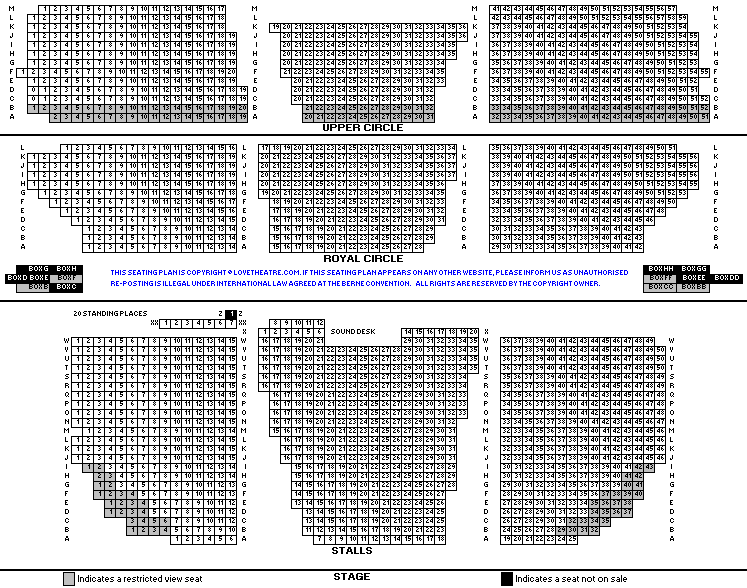
Introduction to the London Palladium The London Palladium stands as one of the most significant entertainment venues in the UK, renowned for its grand performances and rich history. Established in 1910, the theatre has become a cultural cornerstone in the heart of London, attracting locals and tourists alike. Its architectural beauty and illustrious stage productions
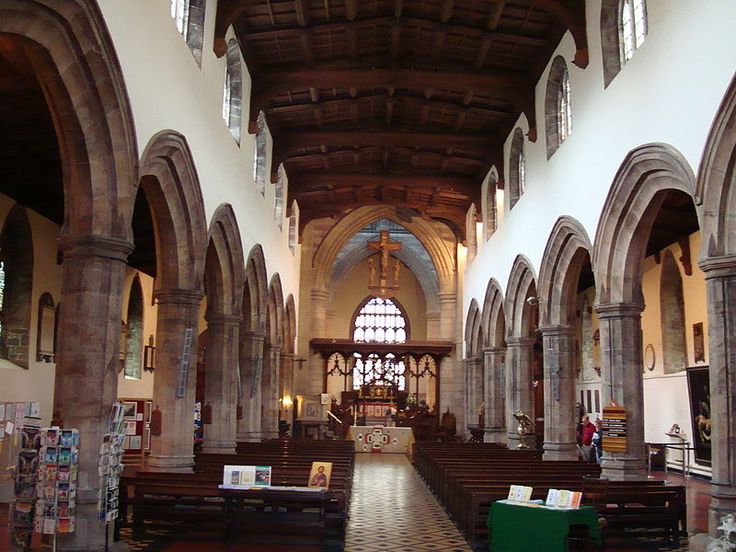
Introduction Bangor Cathedral stands as one of the oldest cathedrals in Wales, representing a vital piece of the region’s historical and cultural heritage. Situated in the heart of Bangor, the cathedral not only serves as a place of worship but also as a symbol of resilience and continuity in a city that has seen centuries
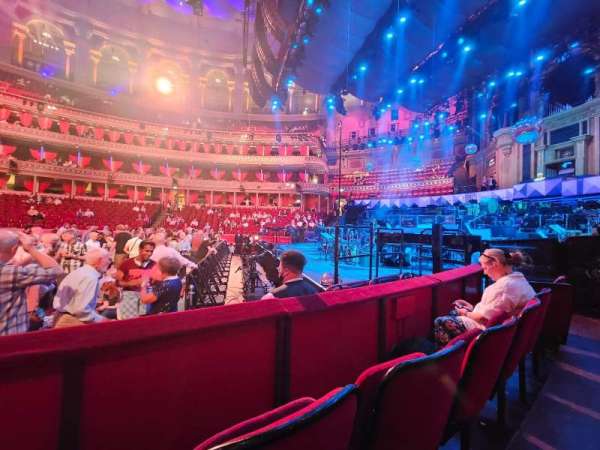
Introduction The Royal Albert Hall, an iconic concert hall in London, has been a cornerstone of the arts and culture landscape since its opening in 1871. Named after Prince Albert, the hall reflects the Victorian era’s ambition to celebrate the arts within a harmonious space. Its importance is highlighted by the wide array of events