


Introduction The abbreviation ‘VS’, short for ‘versus’, is widely recognized in contemporary language and culture. Its relevance spans a variety of domains including sports, legal contexts, and digital media. Its utility in denoting comparisons makes it a staple in discussions, debates, and competitive announcements. Understanding its application is crucial for clarity in communication, positioning it

Introduction to Grok The term ‘grok,’ originating from the science fiction novel ‘Stranger in a Strange Land’ by Robert A. Heinlein, illustrates a profound understanding of a concept, person, or situation. In an ever-evolving world where communication is key to personal and professional relationships, the ability to truly ‘grok’ enhances our interactions and comprehension of

Introduction In an ever-changing world, certain phrases and expressions have a knack for enduring cultural resonance. The phrase ‘as ever’ is one such expression, capturing audiences with its timeless relevance. Used to imply consistency amid flux, ‘as ever’ finds applications in various contexts, including literature, journalism, and everyday conversations. As society navigates complexities in communication

Introduction The letter T, the 20th letter of the English alphabet, holds a pivotal role in communication and expression. It represents an essential sound in many languages and often signifies various meanings symbolically and contextually. Understanding the letter T is crucial not just for linguistic development but also for appreciating its cultural significance across various
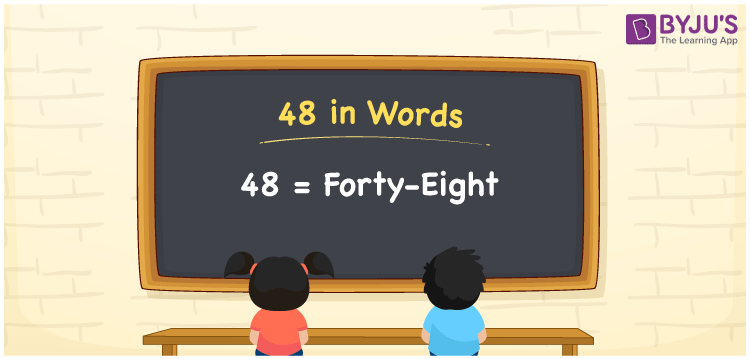
Introduction Words are fundamental to human interaction, representing our thoughts, emotions, and ideas. In today’s fast-paced world where communication methods have dramatically evolved, the significance of the word remains paramount. Understanding how words can shape perceptions, convey powerful messages, and influence society is crucial not only for personal interactions but also in professional environments and

Introduction Understanding the nuances of the English language is vital for effective communication, and the correct use of words like ‘its’ plays a significant role. The word ‘its’ is a possessive pronoun that denotes ownership and is often misused, leading to ambiguity in writing and speech. With recent studies highlighting common grammatical errors in everyday