
Introduction to Madagascar Madagascar, the fourth largest island in the world and located off the southeast coast of Africa, boasts unparalleled biodiversity and a rich cultural heritage. Known for its unique flora and fauna, approximately 90% of the wildlife found in Madagascar is endemic, making it a vital area for conservation efforts. The island’s ecosystems

Introduction Madagascar, the fourth largest island in the world, is an ecological wonder known for its unparalleled biodiversity and unique cultural heritage. The island, which separated from the African mainland around 160 million years ago, is home to more than 200,000 species of plants and animals, many of which do not exist anywhere else on
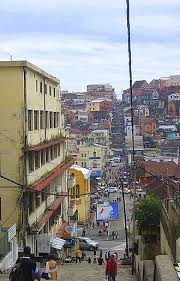
Introduction to Antananarivo Antananarivo, commonly referred to as Tana, is the capital and largest city of Madagascar, a country known for its unique biodiversity and rich cultural heritage. As the political, economic, and cultural heart of the nation, Antananarivo is vital for understanding Madagascar’s historical significance and contemporary challenges. Recently, Tana has been making headlines

Introduction Madagascar, the fourth-largest island in the world, is a microcosm of biodiversity that is crucial to the global ecological landscape. Known for its diverse flora and fauna, over 90% of which is found nowhere else on Earth, Madagascar’s unique ecosystems and rich cultural heritage have garnered international attention. As environmental shifts and climate change
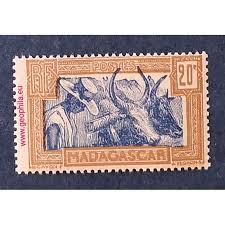
Introduction Madagascar, the fourth largest island in the world, is renowned for its extraordinary biodiversity and unique culture. Situated off the southeast coast of Africa, this island nation is home to a staggering number of species that cannot be found anywhere else on Earth. With its rich ecological heritage, Madagascar plays a vital role in

Introduction Madagascar, the world’s fourth largest island, is renowned for its extraordinary biodiversity and unique cultural heritage. Located off the southeastern coast of Africa, the island is home to species that cannot be found anywhere else on Earth, making it an important area for conservation and ecological studies. As global warming and human activities increasingly
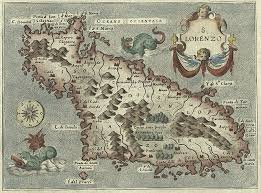
Introduction Madagascar, the fourth largest island in the world, is renowned for its unparalleled biodiversity and vibrant culture. As an isolated landmass, it is home to more than 200,000 species of plants and animals, making it a crucial part of global efforts for conservation. Given its rich natural heritage and cultural significance, understanding Madagascar is
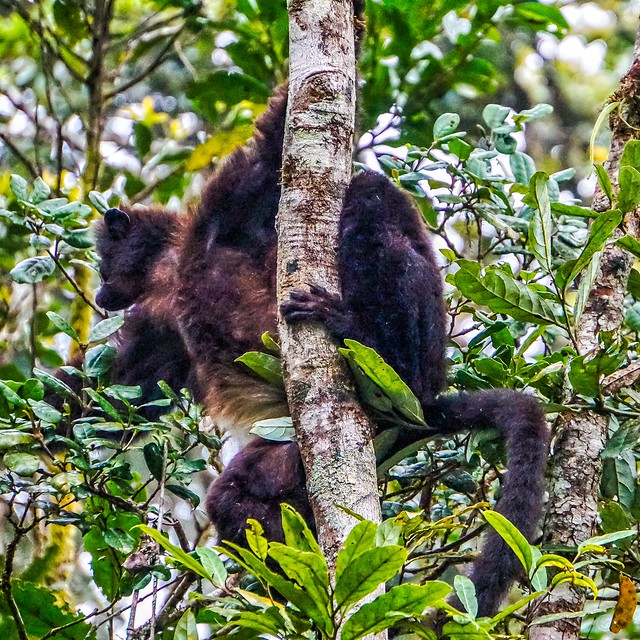
The Importance of Madagascar Madagascar, the fourth largest island in the world, is renowned for its exceptional biodiversity and unique ecosystems. Isolated from the African continent for millions of years, this island nation is home to thousands of species found nowhere else on Earth. Its significance extends beyond biodiversity; Madagascar’s cultural heritage and economic prospects