
The Significance of Sharks Sharks have roamed the oceans for over 400 million years, playing an essential role in maintaining the balance of marine ecosystems. Their presence ensures healthy populations of prey species, contributing to the overall health of oceanic environments. However, in recent years, these magnificent creatures have found themselves increasingly threatened by human
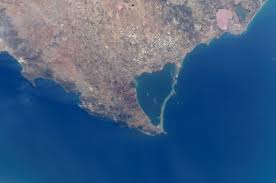
Introduction to the Mar Menor Located in the southeastern coast of Spain, the Mar Menor is the largest saltwater lagoon in Europe, covering an area of approximately 135 square kilometres. This unique ecosystem is crucial not only for its biodiversity but also for the local economy, serving as a vital resource for fishing, tourism, and

Introduction to The Pink Marine The Pink Marine has emerged as a symbol of hope and innovation in marine conservation, shedding light on the vibrant biodiversity of ocean ecosystems. Given the escalating threats posed by climate change and pollution, the significance of initiatives like The Pink Marine cannot be overstated. It represents a critical effort
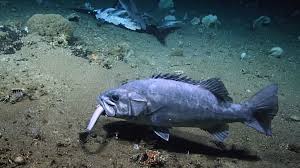
Introduction The Atlantic wreckfish (Polyprion americanus) is a fascinating species that has garnered attention for both its ecological significance and culinary appeal. Found primarily in the deep waters of the Atlantic Ocean, this robust fish has become increasingly popular among seafood enthusiasts and chefs alike. Understanding the biology, environmental challenges, and culinary uses of the
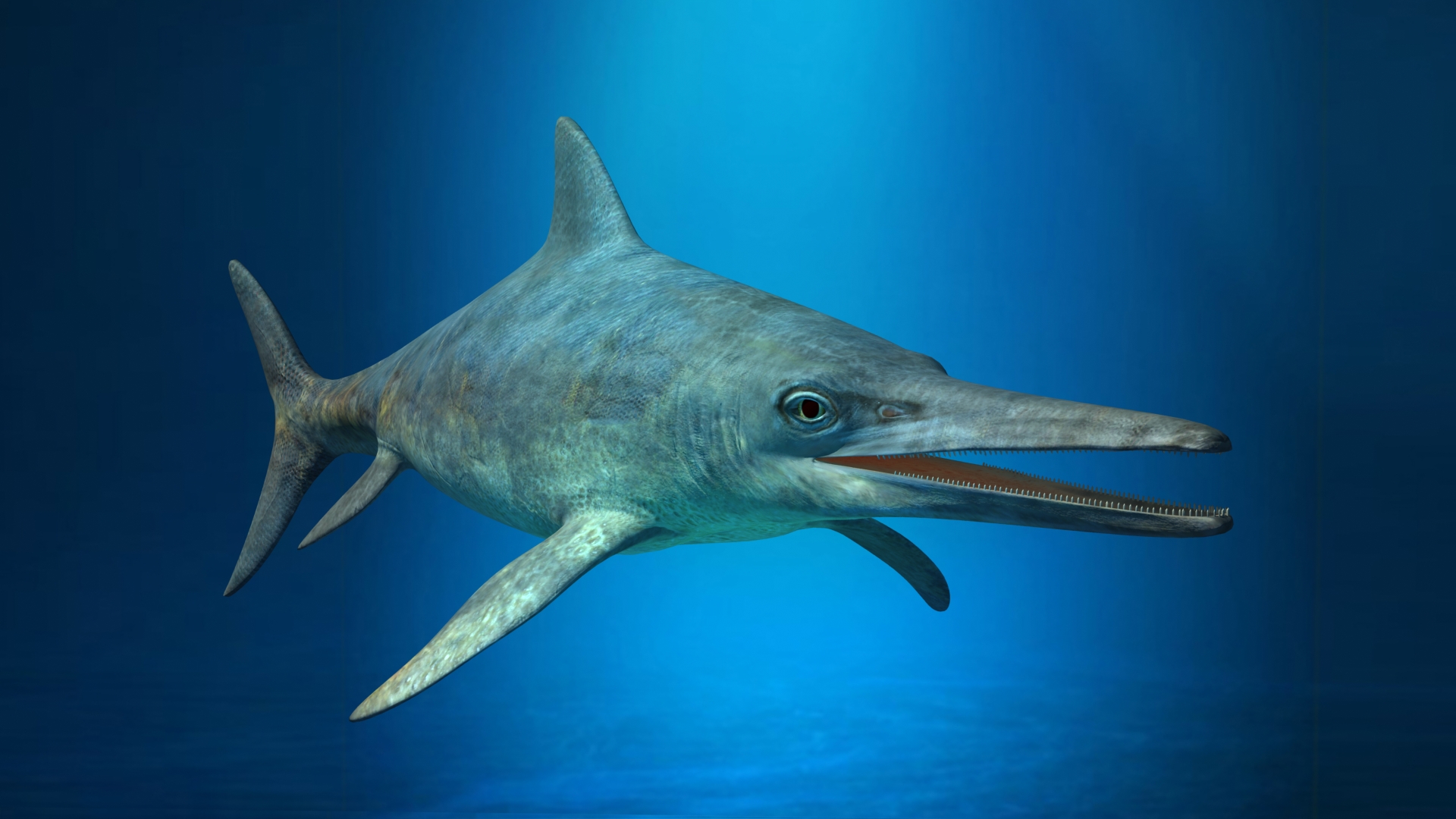
Introduction The ichthyosaur, an extraordinary marine reptile that roamed the oceans during the Mesozoic Era, continues to captivate palaeontologists and enthusiasts alike. Uncovered in various locations around the world, ichthyosaur fossils are crucial to understanding prehistoric marine ecosystems and the evolution of marine reptiles. Recent fossil finds have further illuminated the diversity and complexity of
Introduction The ichthyosaur, an extraordinary marine reptile that roamed the oceans during the Mesozoic Era, continues to captivate palaeontologists and enthusiasts alike. Uncovered in various locations around the world, ichthyosaur fossils are crucial to understanding prehistoric marine ecosystems and the evolution of marine reptiles. Recent fossil finds have further illuminated the diversity and complexity of

Introduction: The Apex Predators of the Ocean Great white sharks, scientifically known as Carcharodon carcharias, are one of the most recognisable species in our oceans. Revered and feared, these apex predators play a crucial role in maintaining the health of marine ecosystems. Their significant presence has sparked both admiration and concern, particularly with recent data
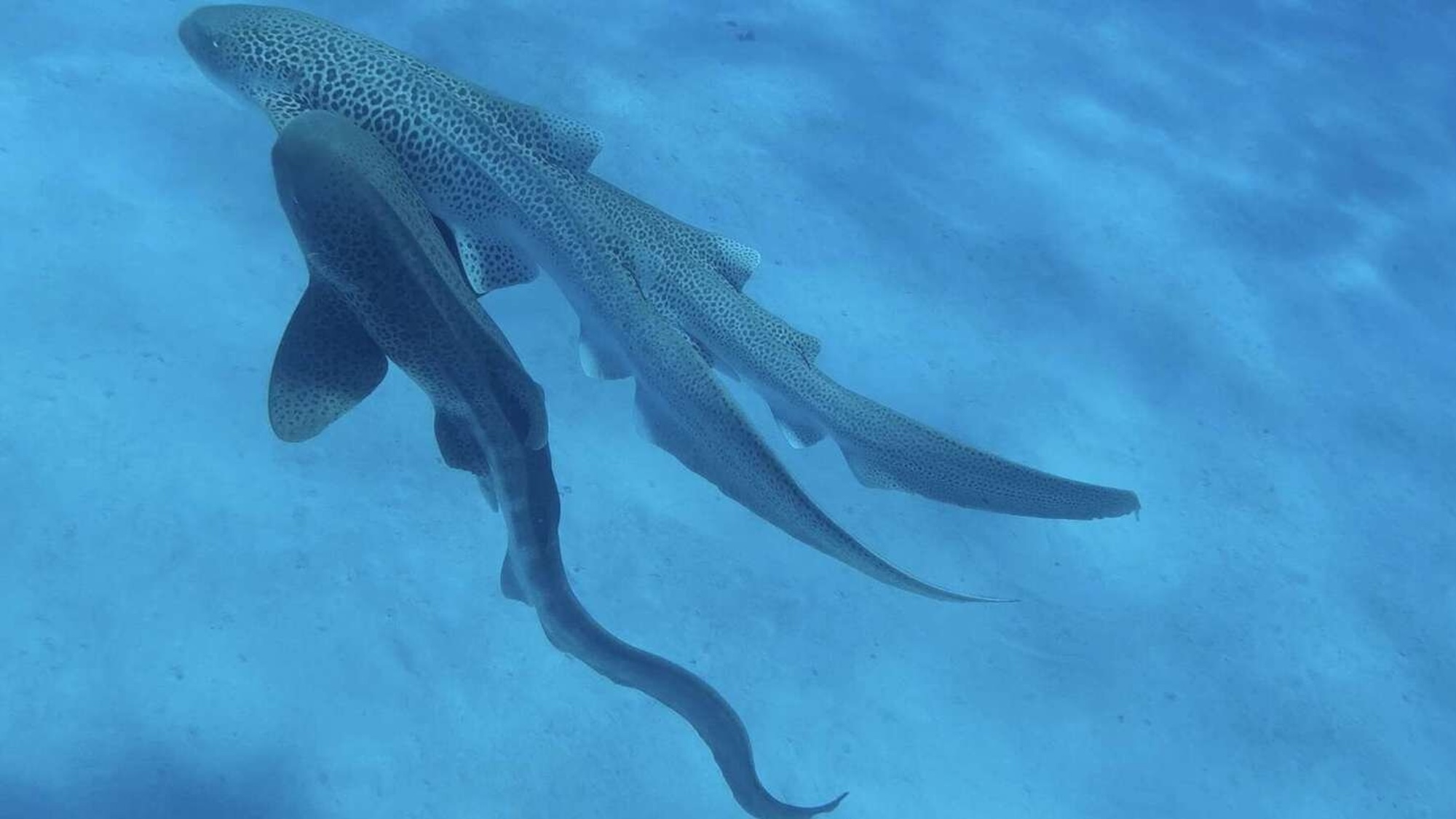
Introduction Leopard sharks, known scientifically as Triakis semifasciata, are a fascinating species that inhabit the coastal waters of the eastern Pacific, particularly along the shores of California. Their mating behaviour is not only crucial for their reproduction but also plays a significant role in maintaining the ecological balance in their habitats. Understanding these behaviours is

Introduction Orcas, scientifically known as Orcinus orca, are not only one of the ocean’s most captivating creatures but also play a significant role in maintaining the balance of marine ecosystems. As apex predators, their presence reflects the health of the oceanic environment. However, orcas face numerous challenges today due to human activities, making it imperative

Introduction Seals are crucial components of marine ecosystems, playing significant roles as predators and prey. With over 30 different species found in oceans worldwide, they contribute to ecological stability. However, many seal populations face threats from climate change, habitat destruction, and human activities. Understanding the importance of seal conservation is vital not only for these