The FTSE 100 share price has experienced a significant decline, closing down 35.23 points at 10,249.52 amid rising oil prices and geopolitical tensions.
On March 10, 2026, the Nikkei index fell over 6%, entering a technical correction, as rising oil prices and a stronger dollar impacted the market.
The FTSE 100 has dropped nearly 8% since the onset of the Iran conflict, reflecting broader economic pressures and rising oil prices.
The UK Foreign Office has issued a travel warning for several countries in the Middle East amid rising tensions and escalating fuel prices.
The Hang Seng Index has dropped sharply, reflecting market concerns over rising oil prices and their impact on various sectors, particularly airlines.
The Nikkei 225 has experienced a significant drop, influenced by surging oil prices and geopolitical tensions in the Middle East.
The shell share price has seen a notable rise recently, driven by various market factors and analyst upgrades.
The bp share price has experienced a notable rise, influenced by fluctuations in Brent crude prices and market dynamics.
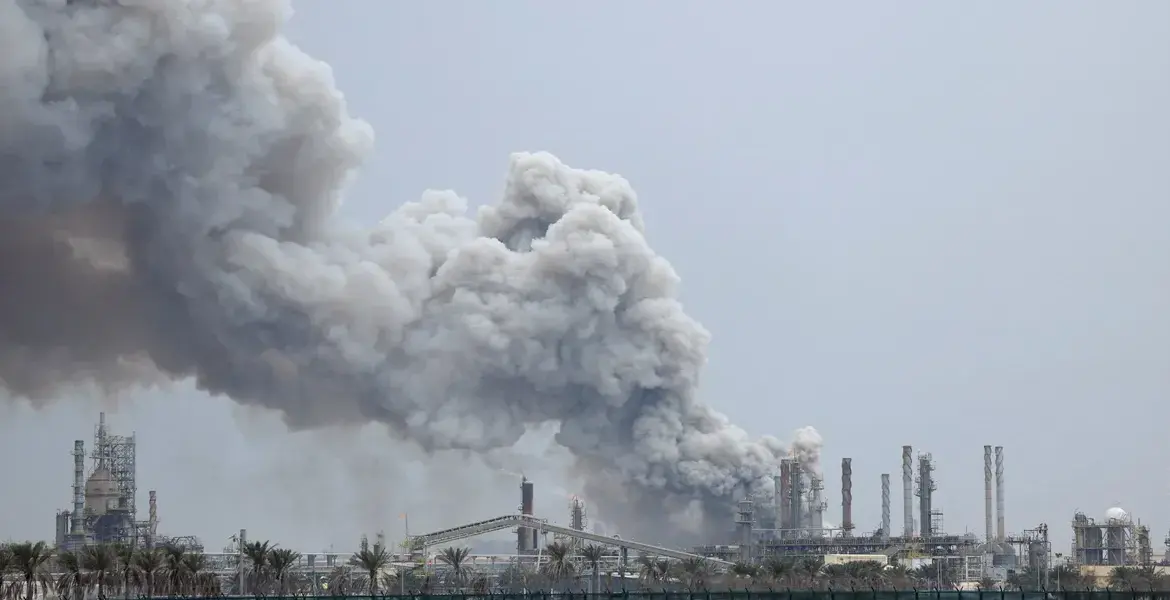
Bapco Energies and QatarEnergy have declared force majeure, leading to major disruptions in oil and LNG supplies amid escalating regional conflicts.
Petrol prices in the UK are facing a steep increase due to the ongoing conflict in Iran, with potential record highs looming. The situation is affecting global oil supply and prices.

SEARCH
LAST NEWS
- Skinny Food B&M Lawsuit: A £14 Million Claim Unfolds
- Russian Submarines: UK Monitors Rising Threats in the North Atlantic
- Masters Leaderboard: Patrick Reed Takes Early Lead at Augusta
- Courtney Lawes Returns to the Premiership After Two Years at Brive
- ITV Faces Technical Issues, Disrupting Regional News Broadcasts