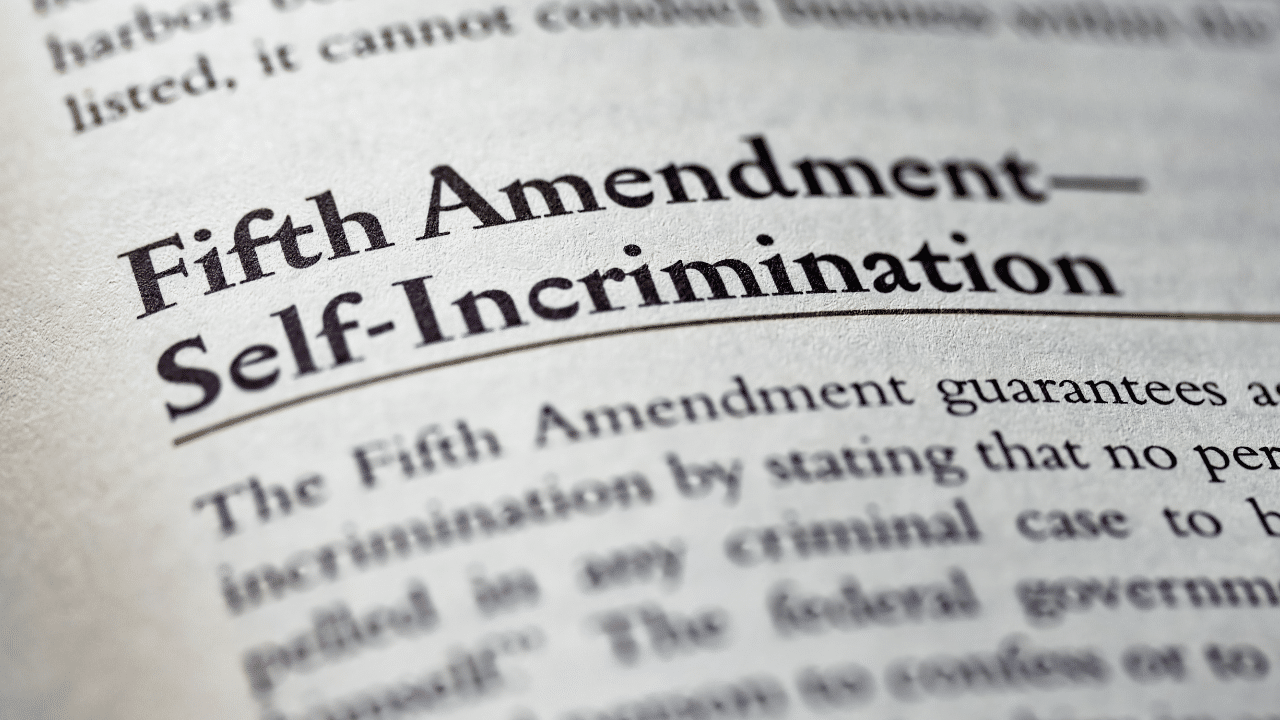
Introduction The US Constitution, ratified in 1788, serves as the supreme legal document of the United States, establishing the framework for the government and outlining the rights of citizens. It is of paramount importance in American society, influencing the country’s legal and political landscape for over two centuries. As debates surrounding civil rights, governance, and

Introduction George Osborne, a prominent figure in UK politics, served as Chancellor of the Exchequer from 2010 to 2016. His tenure is marked by significant economic policies, which aimed to address the financial crisis aftermath and steer the country towards recovery. As one of the leading members of the Conservative Party, Osborne’s decisions have had
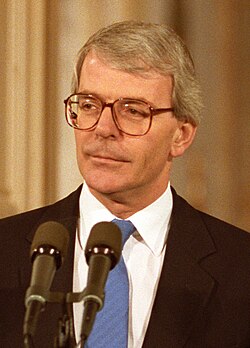
Introduction John Major served as the Prime Minister of the United Kingdom from 1990 to 1997, a period marked by significant political and economic changes. Understanding Major’s influence is crucial, especially as debates over his government’s policies resurface in contemporary discussions about Brexit and the current political landscape. His tenure saw the transition from the

Introduction The former country of Yugoslavia holds a significant place in European history, known for its rich cultural diversity and complex political background. Established after World War I, Yugoslavia was initially envisioned as a unifying nation of Slavic peoples in the Balkans. However, the dissolution of Yugoslavia in the early 1990s led to one of
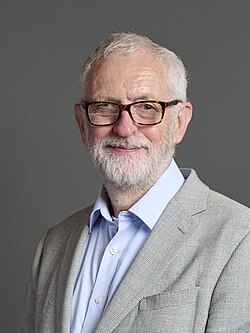
Introduction Jeremy Corbyn, a name synonymous with the modern left in British politics, has been a polarising figure within the Labour Party and the wider political landscape of the United Kingdom. Having served as the Leader of the Labour Party from 2015 to 2020, Corbyn’s socialist policies and advocacy for social justice sparked both fervent
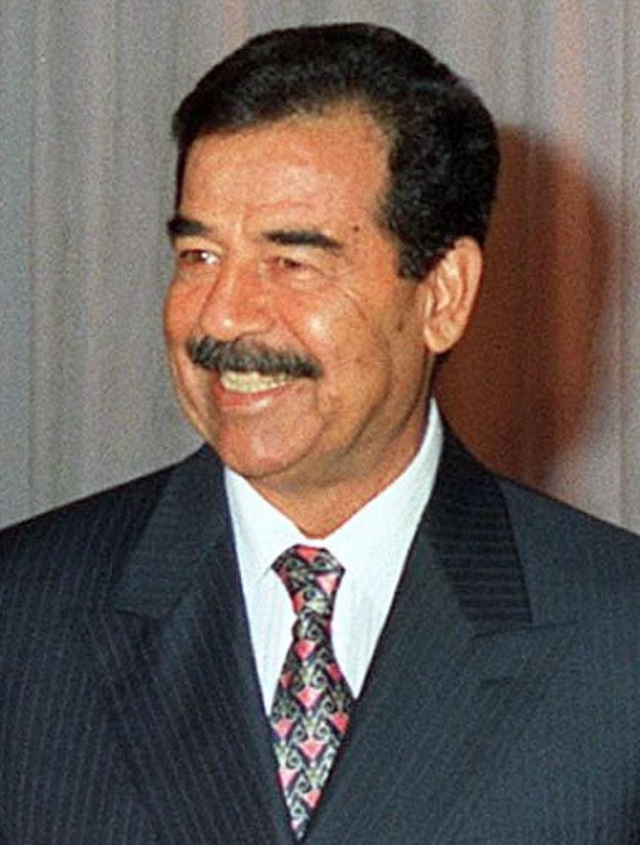
Introduction Saddam Hussein, the fifth President of Iraq, held power from 1979 until 2003, bringing both significant cambios and turmoil to the region. His leadership remains a topic of debate, marked by his authoritarian governance, military engagements, and the controversial policies that have shaped Iraq’s contemporary landscape. As global attention shifts to understanding the lessons