Introduction The red moon, often referred to as a blood moon, captivates sky watchers and stargazers alike. This celestial event occurs during a total lunar eclipse when the Earth passes between the sun and the moon, casting a shadow that turns the moon a striking red hue. The significance of this event extends beyond mere
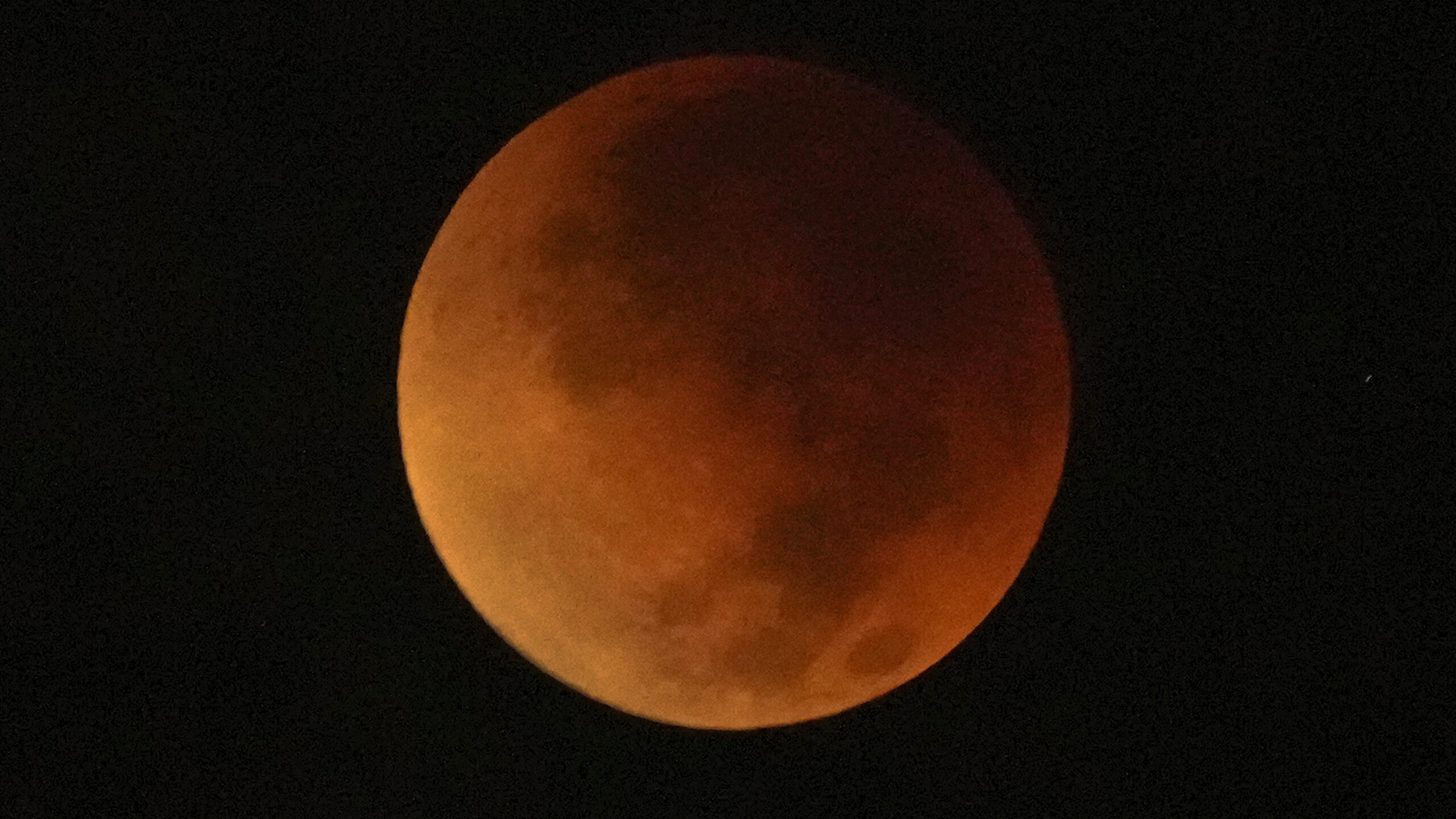
Introduction The phenomenon of a red moon, often captivating stargazers and casual observers alike, occurs under specific astronomical conditions. This visually stunning event, which may appear to paint the moon a rusty red, has intrigued humanity for centuries and holds significance both scientifically and culturally. What Causes the Moon to Appear Red? The primary reason
Introduction The phenomenon of the ‘red moon’, notably seen during a lunar eclipse, captivates both astronomers and casual sky-watchers alike. This awe-inspiring natural occurrence has a significant impact not only on the scientific community, but also on cultural practices and beliefs around the world. As we delve deeper into this fascinating celestial event, its importance