
Introduction Hamza Yassin, a wildlife expert and television presenter, has garnered significant attention in recent months for his vibrant personality and deep knowledge of nature. His emergence as a key figure in nature documentaries reflects a growing trend towards integrating relatable individuals with expertise in wildlife conservation, which resonates with a wider audience. As viewers

Introduction Spiders are often misunderstood creatures that evoke fear and aversion in many people. However, their importance cannot be overstated. As natural predators, they play a crucial role in maintaining ecological balance. The study of spiders and their impact on ecosystems has gained significant attention recently, especially regarding their contributions to biodiversity and pest control.
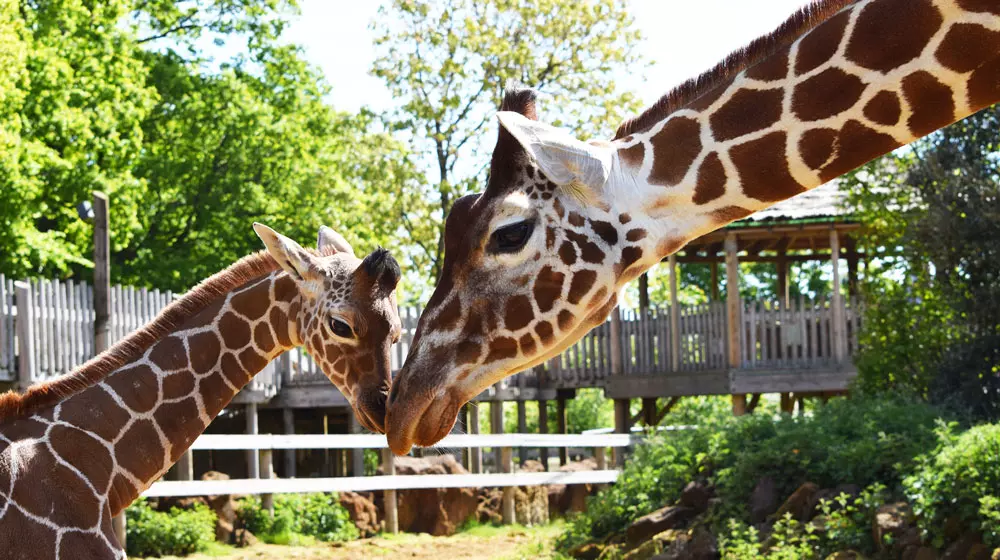
Introduction Whipsnade Zoo, part of the Zoological Society of London (ZSL), is one of the largest wildlife conservation parks in the UK. Located in Bedfordshire, it spans over 600 acres and is home to more than 3,500 animals representing over 200 species. The zoo plays a crucial role in wildlife conservation and education, making it
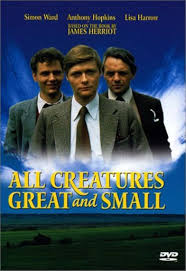
Introduction ‘All Creatures Great and Small’ is not only a beloved literary work by James Herriot but also a reflection of the intricate ecosystems that surround us. This phrase encapsulates the importance of all living beings, fostering an appreciation for biodiversity and the roles each creature plays in our world. As environmental concerns intensify, the

Introduction to Paignton Zoo Paignton Zoo, located in Devon, England, is not only a popular tourist attraction but also a significant player in wildlife conservation and education. Established in 1923, the zoo spans 80 acres and houses over 2,500 animals representing more than 250 species. With increasing concerns surrounding biodiversity loss, the role of facilities

Introduction Robert Irwin, the youngest son of the late wildlife conservationist Steve Irwin, continues his family’s legacy as a passionate advocate for wildlife preservation. Known for his unwavering enthusiasm for animals and nature, Robert has become a prominent figure in conservation efforts across Australia and beyond. As the world grows more concerned about environmental issues,

Introduction Jaguars are not only one of the largest big cats in the world but also play a crucial role in maintaining the balance of their ecosystems. Found primarily in the rainforests of Central and South America, these apex predators are essential in controlling the populations of various prey species, thereby supporting the health of
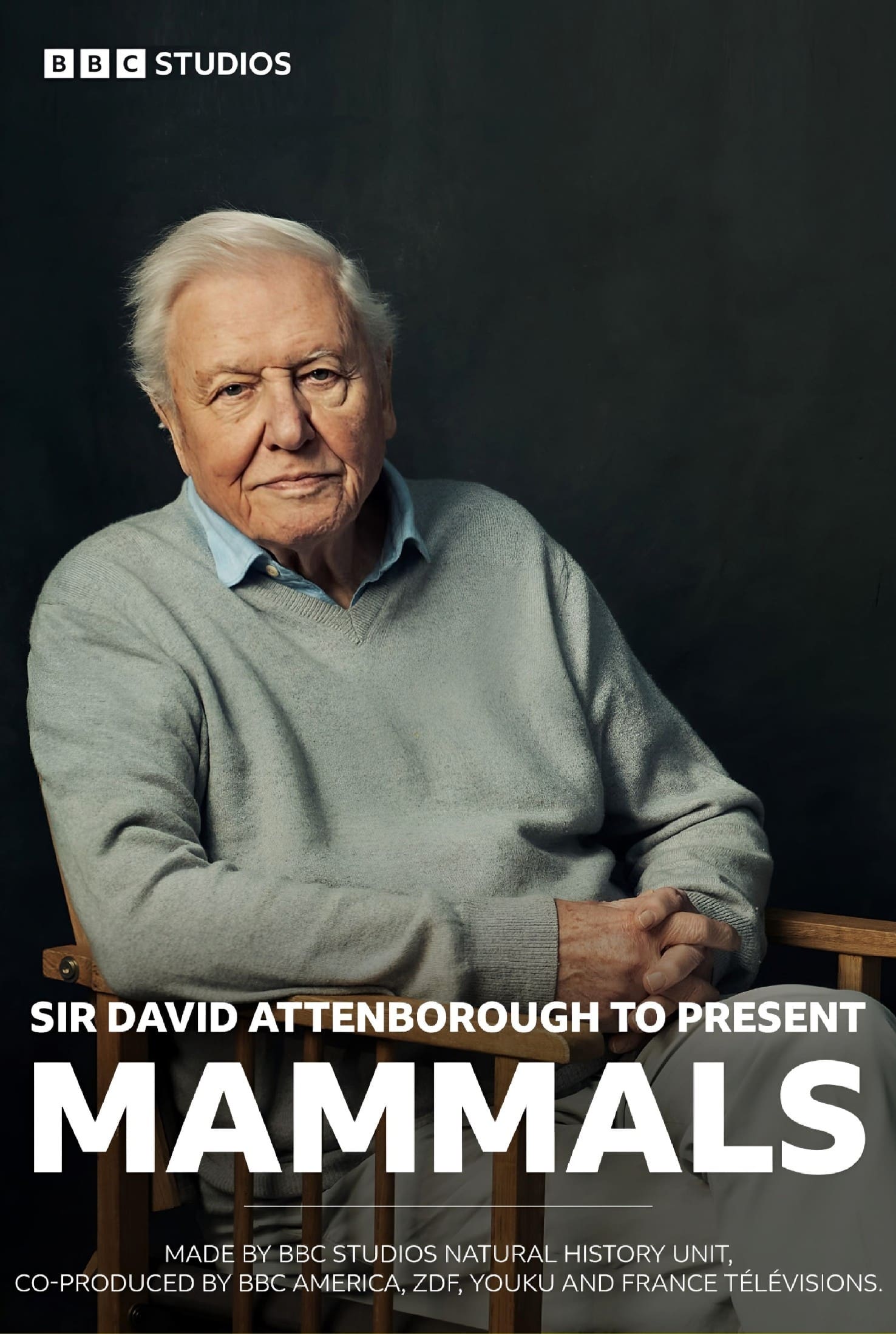
Introduction David Attenborough is more than just a name; he is a symbol of nature and wildlife storytelling. A beloved broadcaster, natural historian, and documentary filmmaker, Attenborough has spent over seven decades bringing the wonders of the natural world into the homes of millions. As recent climate change discussions intensify, his work remains profoundly relevant,
Introduction David Attenborough is more than just a name; he is a symbol of nature and wildlife storytelling. A beloved broadcaster, natural historian, and documentary filmmaker, Attenborough has spent over seven decades bringing the wonders of the natural world into the homes of millions. As recent climate change discussions intensify, his work remains profoundly relevant,
Introduction to Fat Bear Week Fat Bear Week has become an annual highlight for wildlife enthusiasts and conservationists alike. This remarkable event, taking place in Katmai National Park in Alaska, not only showcases the impressive bears preparing for winter but also promotes awareness and education about conservation efforts. As these bears gain weight in preparation