Introduction
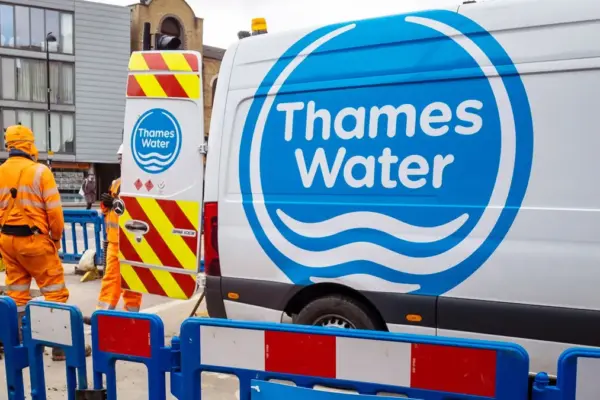
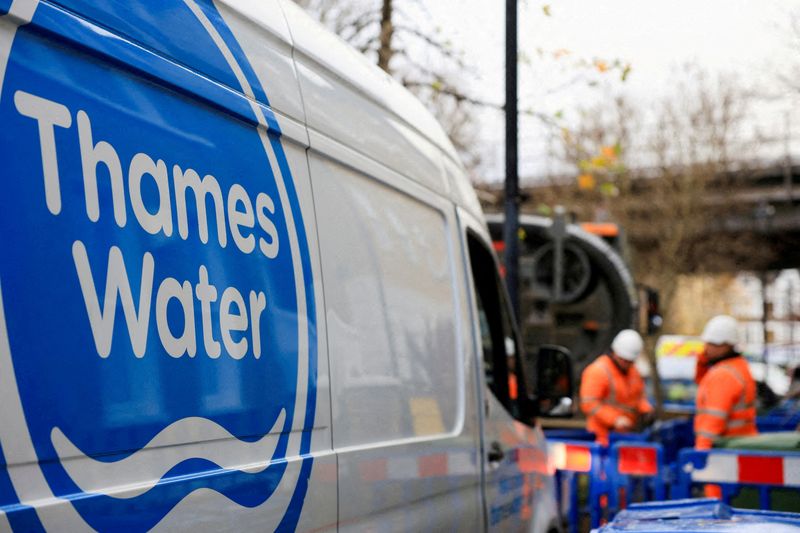
Thames Water, the UK’s largest water and wastewater services company, has recently come under scrutiny due to serious supply and infrastructure challenges. With over 15 million customers in London and the Thames Valley relying on its services, the implications of any disruptions are far-reaching. The current difficulties faced by Thames Water highlight the critical importance of robust water management systems to ensure sustainable supply and quality for urban populations.
Current Issues Facing Thames Water
In recent months, Thames Water has been grappling with reduced water supply during unprecedented dry spells in the UK. According to the UK Met Office, rainfall levels have dropped significantly, resulting in drought conditions across multiple regions. This shortage has led Thames Water to impose temporary restrictions on water usage, prompting concerns from consumers and businesses alike.
Further complicating matters, the company has been facing significant operational challenges, including an ageing infrastructure. Research indicates that more than 20% of the water distributed through Thames Water’s systems is lost to leaks, raising questions about the efficiency and investment levels within the company. In light of these challenges, there have been calls for urgent government intervention and a revamp of existing systems to secure future water supplies.
Steps Towards Improvement
In response to the growing criticism, Thames Water has outlined several measures aimed at enhancing its water conservation strategies and infrastructure resilience. The company has committed to investing £2 billion in leak reduction and maintenance of existing water facilities over the next five years. Additionally, Thames Water has launched community engagement initiatives to educate consumers on water-saving practices, especially during times of shortage.
The recent appointment of a new CEO, who has an extensive background in utility management, signals a potential shift towards more sustainable practices and improved customer engagement. Industry experts suggest that where collaboration with local authorities, environmental groups, and regulatory bodies occurs, Thames Water may foster solutions that address both immediate supply issues and long-term sustainability.
Conclusion
The challenges faced by Thames Water serve as a stark reminder of the vulnerabilities inherent in urban water supply systems. As climate patterns shift and demand increases, proactive measures for water management and infrastructure investment will be vital. The coming months will be crucial for Thames Water as it seeks to navigate current obstacles while laying down a foundation for a more resilient future. Customers, policymakers, and stakeholders will be watching closely to gauge the effectiveness of the company’s initiatives and their overall impact on water sustainability in the UK.
You may also like