Introduction
Anglesey, the largest island in Wales, is renowned for its breathtaking landscapes, rich cultural heritage, and significant historical sites. This beautiful island is not only a tourist haven but also an important ecological region that attracts nature lovers and history enthusiasts alike. With the rise of eco-tourism and heritage appreciation, Anglesey’s importance has grown significantly in current times, making it a topic of great relevance to both locals and visitors.
Geographical and Ecological Significance
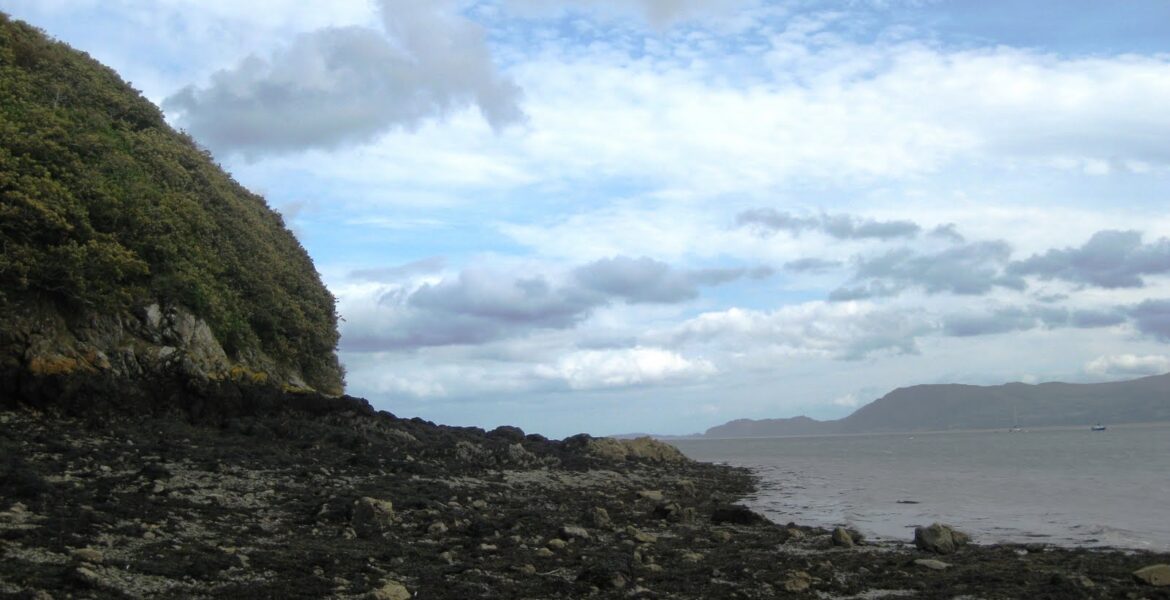
Geographically, Anglesey is situated off the north-west coast of Wales, separated from the mainland by the Menai Strait. The island boasts stunning natural features, including beautiful beaches, rugged coastlines, and sprawling countryside. Notably, the Anglesey Coastal Path offers breathtaking views and access to diverse wildlife habitats. The area has been designated as an Area of Outstanding Natural Beauty (AONB) due to its rich biodiversity and scenic landscapes. Recent studies have highlighted how the local flora and fauna are adapting to climate change, shedding light on the pressing environmental issues facing the region.
Cultural Heritage and Attractions
Anglesey is steeped in history, with evidence of ancient settlements dating back to the Stone Age. One of the island’s most significant historical sites is the burial chamber at Bryn Celli Ddu, a neolithic monument that draws archaeologists and history buffs from across the globe. Other notable attractions include the picturesque village of Beaumaris, home to a medieval castle, and the stunning South Stack Lighthouse, which provides panoramic views of the coastline.
Additionally, Anglesey is known for its vibrant local culture, including traditional crafts and culinary delights. The annual Anglesey Show celebrates agriculture and local produce, giving visitors a taste of the island’s rich agricultural heritage.
Recent Developments and Future Outlook
With the ongoing impacts of the COVID-19 pandemic, Anglesey has seen a surge in domestic tourism as locals and visitors seek refuge in nature. The local government has emphasized sustainability in tourism development, ensuring that Anglesey remains a pristine environment for generations to come. The recent investments in green infrastructure and eco-friendly practices reflect a commitment to preserving the island’s natural beauty while fostering economic growth.
Conclusion
Anglesey continues to stand as a vibrant example of the harmony between nature and heritage. Its unique blend of scenic landscapes and rich cultural history makes it a valuable asset to Wales. As the island embraces sustainable tourism and conservation efforts, it is poised to remain a popular destination for those seeking adventure, relaxation, and a deeper understanding of Welsh culture. As more people turn their eyes to Anglesey, the island’s legacy is sure to thrive in the years to come.
You may also like