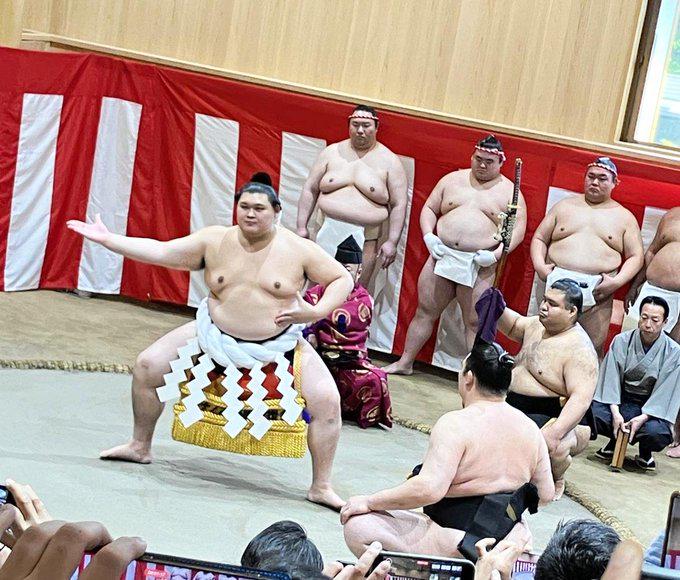
Introduction to Sumo Wrestling
Sumo wrestling, a traditional Japanese sport, not only serves as a fierce athletic competition but also embodies the rich cultural heritage of Japan. Rooted in over 1,500 years of history, sumo has evolved from its origins as a religious ritual to a globally recognised sport. The significance of sumo extends beyond the ring, making it an important aspect of Japanese society, culture, and tradition.
The Structure of Sumo Wrestling
At its core, sumo wrestling involves two wrestlers, known as rikishi, who compete in a circular ring called a dohyo. The objective is simple: to force the opponent out of the circle or to make any part of their body other than the soles of their feet touch the ground. Events are often held in grand arenas, typically in Tokyo, Osaka, Nagoya, and Fukuoka. The sport is most commonly associated with six major tournaments, or honbasho, held throughout the year, showcasing rich ceremonial practices and a deeply ingrained sense of respect for tradition.
Recent Developments and Challenges
In recent years, sumo wrestling has faced various challenges, including issues surrounding the health and safety of its athletes. Covid-19 impacted the sport significantly, leading to temporary cancellations of tournaments and the implementation of strict health protocols. The Japan Sumo Association has taken measures to adapt, allowing fewer spectators and embracing online streaming to reach fans worldwide. Additionally, athletes from abroad have increasingly entered the sport, enhancing sumo’s appeal on a global scale.
Importance of Sumo Wrestling
Sumo wrestling holds considerable importance in sustaining Japan’s cultural identity, serving as a bridge between the past and contemporary society. Despite modernisation and changes in public interest, the rituals associated with sumo—such as the rice ceremonies and the use of traditional attire—continue to draw enthusiasts and maintain its unique cultural heritage. Furthermore, as more international viewers engage with the sport, sumo wrestling is slowly transforming into a global phenomenon, blending traditional Japanese culture with contemporary sportsmanship.
Conclusion
In conclusion, sumo wrestling stands as a vital element of Japan’s national identity, offering insights into the country’s history and social traditions. The sport’s ability to adapt to modern challenges while holding on to its rich heritage ensures its continued relevance. As sumo wrestling grows in popularity across the globe, it invites further exploration of its cultural significance and the enduring tenacity of its athletes. Today’s sumo wrestlers are not just athletes; they are ambassadors of an age-old tradition, promoting the spirit of unity, respect, and perseverance that underlies this captivating sport.
You may also like