Introduction
The Brooklyn Bridge, an iconic landmark of New York City, has stood as a symbol of innovation and connection since its completion in 1883. Spanning approximately 1,834 metres, the bridge connects the boroughs of Manhattan and Brooklyn over the East River. Not only is it an architectural marvel, but it also plays a crucial role in the daily lives of millions, making it a vital transportation link and a renowned tourist attraction.
Historical Significance
Designed by John A. Roebling, the Brooklyn Bridge was the first steel-wire suspension bridge in the world. Construction began in 1869, but tragically, Roebling died in an accident during the early stages. His son, Washington Roebling, took over the project, overcoming numerous challenges including worker fatalities and disruption from a caisson disease, a sickness common among deep-sea divers caused by rapid decompression. Despite these obstacles, the bridge opened on May 24, 1883, and was celebrated with a grand opening ceremony.
Modern-Day Relevance
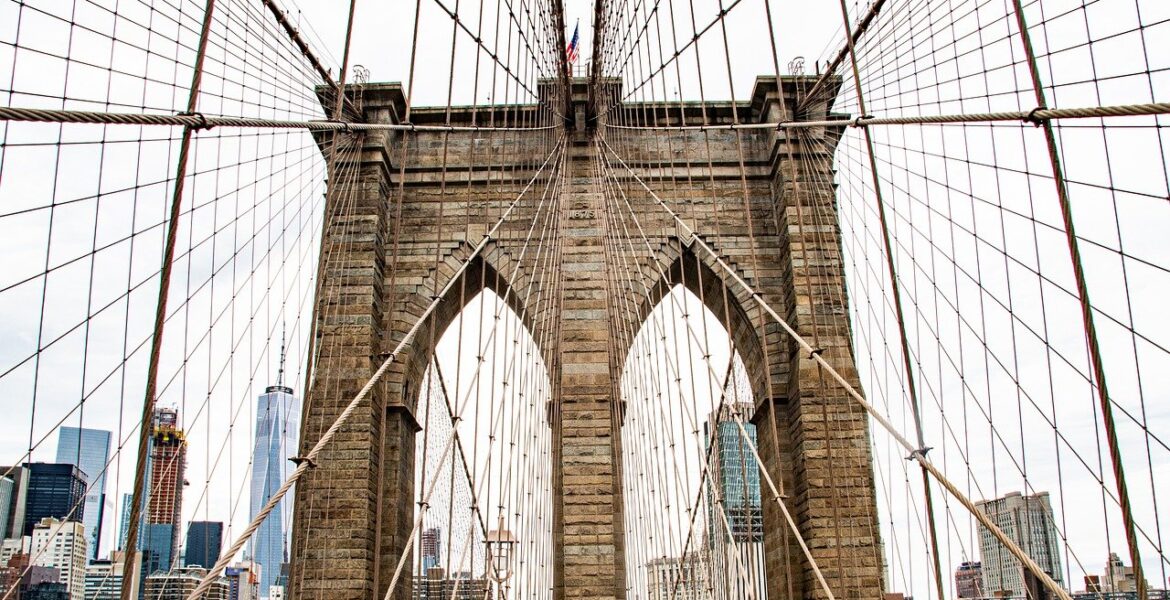
Today, the Brooklyn Bridge is not only a functional roadway but also a cultural touchstone. It attracts over 150,000 visitors each day, making it one of the most walked bridges in the world. Its iconic Gothic-style towers and intricate design have inspired countless works of art, literature, and film. In recent events, the bridge has hosted various community events and celebrations, further intertwining itself with the fabric of New York City life.
Preservation Efforts
As of late 2023, ongoing preservation efforts are essential to maintaining the structural integrity and aesthetic beauty of the Brooklyn Bridge. The NYC Department of Transportation is managing a multi-phase restoration project, with aims to repair the bridge’s pedestrian walkways, enhance lighting, and restore historical elements of the structure. These efforts not only preserve the bridge for future generations but also enhance the experience for the thousands of pedestrians and cyclists who traverse it daily.
Conclusion
The Brooklyn Bridge stands as a testament to human ingenuity and resilience. As we reflect on its rich history and significance, it’s clear that this architectural masterpiece will continue to captivate and serve the people of New York City for years to come. The ongoing preservation work ensures that this vital connection between Brooklyn and Manhattan will endure as both a transit route and a beloved symbol of the city.
You may also like