Introduction
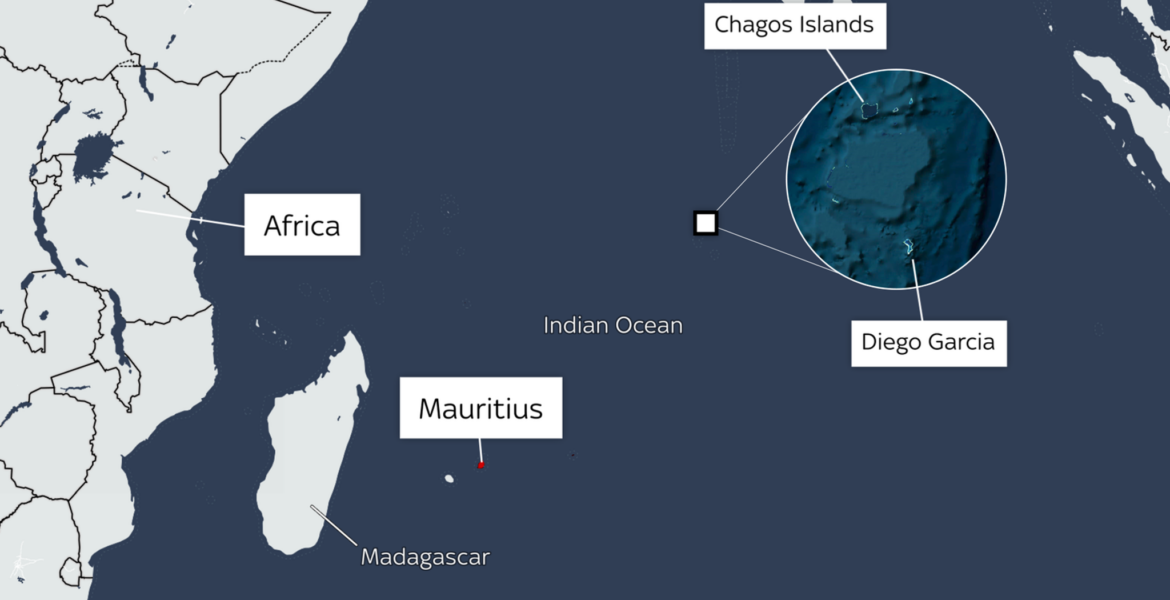
The Chagos Islands, a remote archipelago located in the Indian Ocean, have been the subject of intense geopolitical discussion and legal disputes for decades. Known for their strategic significance, the islands have implications for territorial sovereignty, environmental concerns, and human rights. With recent developments regarding the reinstatement of the islanders’ rights, the issue remains relevant not only to the inhabitants but also to international relations.
Historical Context
The islands were forcibly depopulated in the late 1960s and early 1970s to facilitate the establishment of a military base by the United States in Diego Garcia, the largest of the Chagos Islands. This depopulation has led to longstanding grievances from the Chagossian people, who continue to seek the right to return to their homeland. Legal battles have unfolded in British and international courts, with significant rulings affecting the ongoing debate.
Recent Developments
Recent rulings by the United Nations have declared the United Kingdom’s continued control over the Chagos Islands as illegal under international law. Additionally, in early 2023, a UK court ruled that the British government must find a resolution regarding the rights of the Chagossians, reigniting hope among the displaced population. However, the British government maintains that its sovereignty over the islands is necessary for global security interests.
Environmental scientists have also raised concerns regarding the ecological impact of military operations and pollution in the area. Efforts to protect the unique marine biodiversity of the region are paramount, yet the presence of military bases complicates conservation efforts.
Future Prospects
The Chagos Islands issue serves as a microcosm of larger geopolitical tensions, reflecting the complexities of colonial legacies, national security, and indigenous rights. As discussions continue at international forums, stakeholders from the UK, Mauritius, and the displaced Chagossian community remain hopeful for a resolution that acknowledges their historical injustices and paves the way for sustainable development in the region.
Conclusion
As the world watches, the Chagos Islands remain an emblematic case study of post-colonial politics, where human rights and geopolitical interests intersect. The upcoming years will be crucial in determining the future of the Chagossians and the strategic role of these islands in global affairs. Awareness and advocacy for the rights of the Chagossians are essential, not only for justice but also for fostering peace and cooperation in a rapidly changing world.
You may also like