Introduction
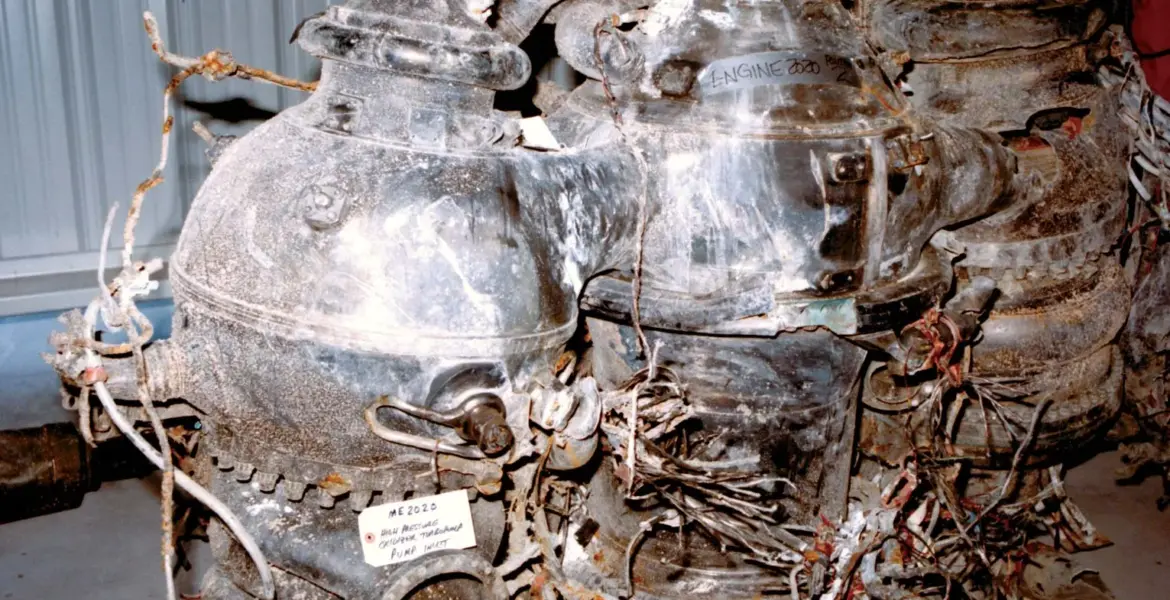
The Challenger disaster remains one of the most tragic events in the history of space exploration. Occurring on January 28, 1986, the disaster resulted in the loss of seven astronauts and had profound effects on NASA, the American public, and future space missions. Understanding this incident is crucial as it underscores the importance of safety and the inherent risks associated with space travel.
Details of the Incident
The STS-51-L mission was launched from the Kennedy Space Center in Florida. It was intended to deploy a communications satellite and include the first teacher in space, Christa McAuliffe. Just 73 seconds after liftoff, the Challenger exploded, leading to the deaths of all seven crew members: McAuliffe, Michael J. Smith, Ronald McNair, Ellison Onizuka, Judith Resnik, Francis R. Scobee, and Geraldine A. Hoffman.
Causes of the Disaster
The Rogers Commission, established by President Ronald Reagan, investigated the disaster and identified the primary cause as the failure of the O-ring seals in the SRBs (Solid Rocket Boosters) due to cold weather conditions on the launch day. The engineers from Morton Thiokol had raised concerns about the potential failure of the O-rings in low temperatures, but their warnings were not sufficiently heeded by NASA managers, which led to the fateful decision to proceed with the launch.
Impact on NASA and Space Exploration
The Challenger disaster prompted a complete overhaul of NASA’s safety protocols and management structure. The tragedy led to a 32-month hiatus in the Space Shuttle program as safety standards were rigorously evaluated and improved. NASA implemented more stringent design and operational protocols, aiming to prevent similar tragedies. Furthermore, public trust in space exploration was shaken, requiring NASA to work tirelessly to regain public confidence.
Conclusion
The Challenger disaster serves as a poignant reminder of the risks involved in human spaceflight. Its legacy highlights the critical importance of adhering to safety protocols and listening to engineering concerns. As we commemorate this tragedy, it is essential to continue learning from past mistakes to enhance future space missions. In recent years, as private space companies have emerged to supplement NASA’s mission, the lessons from the Challenger disaster remain relevant in shaping a safer path forward for space exploration.
You may also like