Introduction
Sudan, a nation rich in cultural heritage and resources, is currently facing a profound humanitarian crisis as conflict escalates within its borders. The importance of understanding the situation in Sudan goes beyond the immediate humanitarian implications; it speaks to the broader geopolitical dynamics in the Horn of Africa, where instability can lead to regional ripple effects.
Current Conflict Overview
Since April 2023, violent clashes have erupted between the Sudanese Armed Forces (SAF) and the paramilitary Rapid Support Forces (RSF), leading to widespread chaos. These altercations have primarily taken place in the capital city of Khartoum and Darfur, a region long plagued by violence. The conflict arises from intense power struggles following the ousting of former President Omar al-Bashir in 2019, and subsequent tensions between military factions vying for control.
Humanitarian Impact
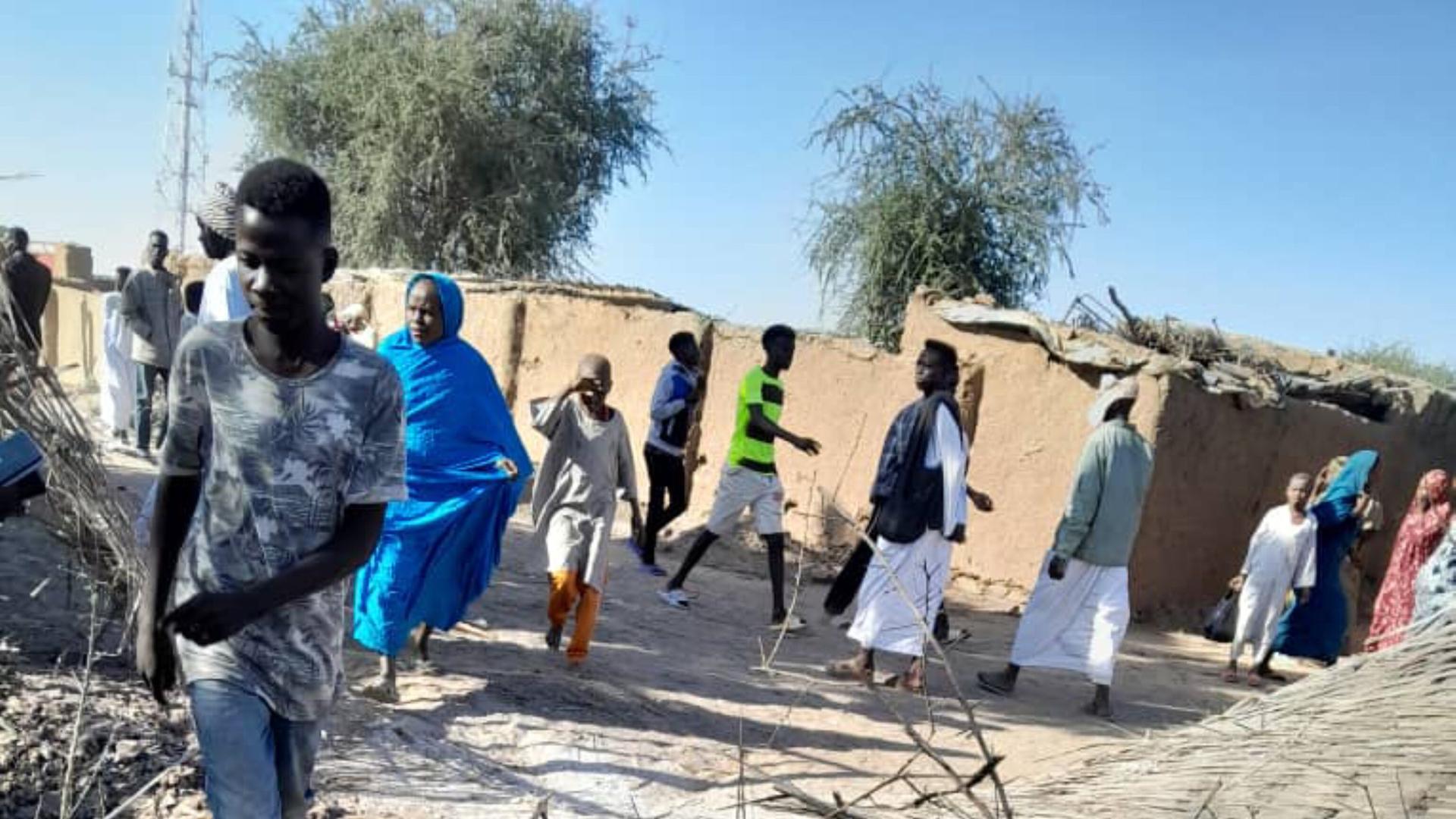
The ongoing conflict has resulted in a catastrophic humanitarian situation, with the United Nations estimating that over 25 million people—more than half of Sudan’s population—are in dire need of assistance. The violence has displaced millions internally and forced thousands to flee across borders into neighbouring countries, exacerbating regional tensions. Access to essential services such as food, healthcare, and clean water has been severely disrupted, while aid organisations face immense challenges in delivering support amid the fighting.
International Response
The international community has responded to the crisis with varying degrees of urgency. While some countries have imposed sanctions on the warring parties, humanitarian agencies have called for stronger diplomatic efforts to establish peace talks. The African Union and the United Nations have attempted to mediate, though progress remains elusive amid the ongoing violence. Refugee crises in neighbouring Chad and South Sudan have put additional pressure on these nations, necessitating a coordinated response.
Future Prospects
The future of Sudan hangs in a precarious balance. Without immediate intervention and stability, the conflict threatens to deepen, potentially drawing in other regional powers and destabilising the already fragile Horn of Africa. For the global community, supporting Sudan in its time of need is not just a moral obligation but a necessary step towards ensuring broader regional security.
Conclusion
Sudan’s ongoing conflict presents a complex tapestry of challenges, from humanitarian crises to geopolitical implications. As nations and organisations work to navigate this turbulent landscape, the hope remains that a path to lasting peace can be forged, one that respects the aspirations of the Sudanese people for safety and prosperity.
You may also like