Introduction
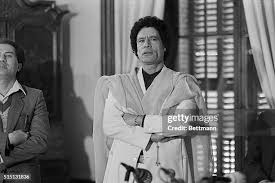
Muammar Gaddafi, the Libyan leader who ruled for over four decades, left a profound and complex legacy that continues to shape Libya’s political landscape today. His regime, marked by authoritarian governance and significant state control over oil resources, transformed Libya into a unique political entity in the Arab world. Understanding Gaddafi’s impact is crucial as Libya continues to navigate the aftermath of his rule and strives for stability.
The Rise and Fall of Gaddafi
Gaddafi came to power in 1969 after leading a coup against the monarchy. He cultivated a nationalist identity for Libya, promoting Arab socialism and resisting Western influence. Under his leadership, Libya experienced significant social changes, including advancements in education and healthcare. However, his rule was also characterised by human rights abuses, suppression of dissent, and a lack of political freedom.
In 2011, Gaddafi’s regime faced a popular uprising amidst the broader Arab Spring. The protests quickly escalated into a civil war, which resulted in international intervention led by NATO. Gaddafi was ultimately captured and killed in October 2011, marking the end of his 42-year rule. The chaos that followed ignited factional fighting, leading to ongoing instability in the country.
Gaddafi’s Legacy in Modern Libya
Today, Libya grapples with the consequences of Gaddafi’s long rule, including a fractured political system and continued violence among rival factions. The nation has attempted to establish a unified government, but efforts have been hampered by tribal divisions and the proliferation of armed groups. The UN and allied countries are actively involved in peace talks, striving to bring stability to the region.
Moreover, Gaddafi’s emphasis on nationalism and state control over oil production influences current debates on resource management and economic recovery in a country rich in oil reserves. His investments in infrastructure and social programmes are contrasted with the corruption and mismanagement that have surfaced post-revolution, leading to public discontent.
Conclusion
The legacy of Muammar Gaddafi is a double-edged sword for Libya. While he introduced certain advancements in social welfare, his authoritarian rule and the catastrophic aftermath of his death have left deep scars on the nation. The future of Libya hinges upon its ability to reconcile these legacies, foster inclusive governance, and rebuild trust among its citizens. As the country moves forward, it remains imperative to acknowledge and learn from the complexities of Gaddafi’s leadership to avoid repeating the past and to achieve a sustainable and peaceful future.
You may also like