Introduction
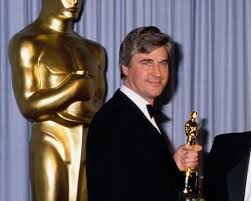
Stuart Craig, a prominent film production designer, has made significant contributions to the cinematic world, particularly through his work on the Harry Potter series. His ability to create breathtaking and immersive environments has not only defined the visual aesthetics of several blockbuster films but has also influenced aspiring designers in the industry. With the ever-growing demand for visually stunning films, Craig’s expertise and vision continue to be remarkably relevant.
Career Highlights
Born in 1942 in London, England, Stuart Craig’s journey in film began after studying at the Central School of Art and Design. He embarked on a successful career in production design, with his early works including projects such as “The Killing Fields” and “The English Patient,” both of which have earned him high acclaim.
However, it was his role as a production designer for the Harry Potter series that solidified his legacy. Over a decade, Craig designed elaborate sets that brought J.K. Rowling’s magical world to life. His work on the Hogwarts School of Witchcraft and Wizardry, Diagon Alley, and other iconic locations has been lauded for its detail and creativity. He received multiple awards and nominations, including BAFTA Awards for his efforts in the series.
Recent Works and Impact
Beyond the Harry Potter series, Craig has also contributed to films such as “Fantastic Beasts and Where to Find Them” and its sequels, further extending his influence on the wizarding world. His designs often merge fantasy with reality, providing audiences with an unforgettable visual experience.
Stuart Craig’s work has also inspired a new generation of production designers. By attending various film festivals and lectures, he shares insights about the importance of storytelling through design, making him a valuable figure in film education.
Conclusion
Stuart Craig’s contributions to the film industry are immense, blending creativity with a strong narrative sense that enriches the viewer’s experience. As the film industry evolves, it is likely that Craig will continue to play a significant role in shaping the future of production design. His legacy reaffirms the critical role of visual storytelling in cinema, encouraging filmmakers and designers alike to push the boundaries of imagination in their work.
You may also like