Introduction
The term ‘Persia’ refers to an ancient empire that was a significant historical force in the Middle East and Central Asia. Known for its rich culture, extensive contributions to philosophy, art, and architecture, the region has profoundly influenced not only its neighbours but also modern society at large. As we continue to study and appreciate the historical tapestry of Persia, it is essential to consider its relevance in today’s world.
The Historical Significance of Persia
Persia, historically known as the Persian Empire, covered a vast area at its peak, stretching from parts of Europe to the Indian subcontinent. The Achaemenid Empire, founded by Cyrus the Great in the 6th century BCE, is celebrated for its innovative administrative system and respect for the cultures and religions of conquered peoples. This approach laid the groundwork for the concept of governance that values diversity and inclusion.
Persia also significantly contributed to human thought; notable figures such as Zoroaster laid the foundations for one of the world’s earliest monotheistic religions, Zoroastrianism. The philosophical ideas that emerged during this period continue to resonate in contemporary spiritual discussions.
Art and Architecture
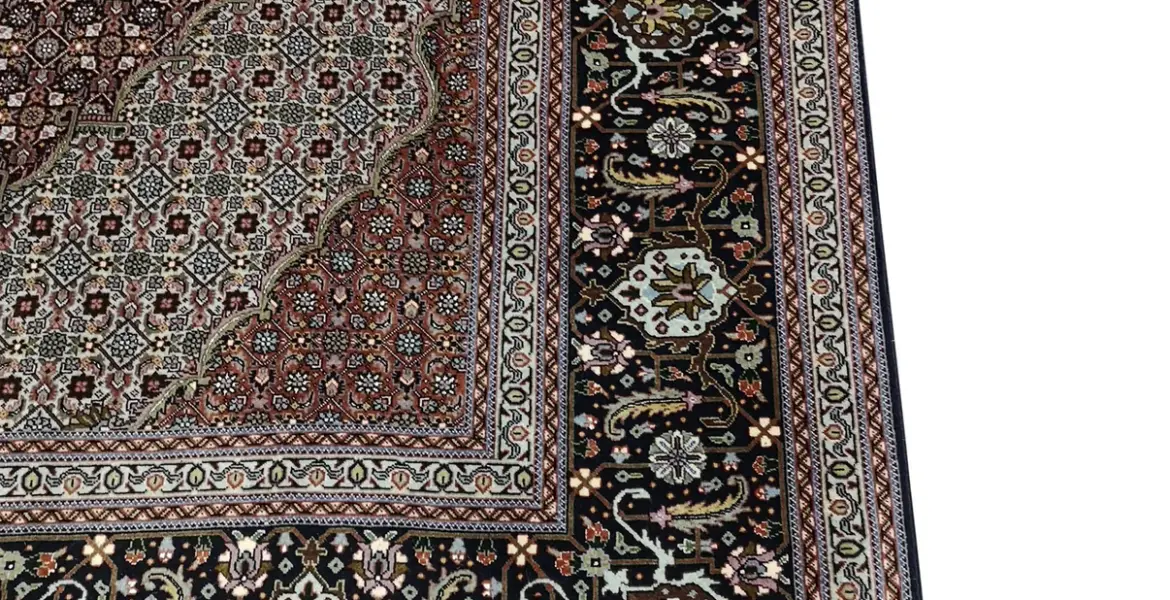
The artistic and architectural achievements of ancient Persia are enduring testaments to its grandeur. The ruins of Persepolis, the ceremonial capital of the Achaemenid Empire, showcase intricate bas-reliefs and monumental architecture that reflect the empire’s power. These structures not only demonstrate advanced construction techniques of the time but also a deep appreciation for aesthetics. Persians were masters in creating gardens, pottery, and textiles, influencing artistic expressions across the globe.
Modern Influence and Relevance
Today, the influence of Persian culture is evident in various spheres including literature, cuisine, and language. Persian poetry, particularly works by Rumi and Hafez, remains celebrated and is studied worldwide. Furthermore, the culinary heritage of Iran, featuring dishes rich in flavours and spices, has become increasingly popular internationally.
The geopolitical landscape also underscores the ongoing relevance of Persia. As contemporary Iran, the nation continues to navigate its historical identity while addressing modern socio-political challenges. Understanding Persia’s legacy is crucial for comprehending the complexities of current Middle Eastern affairs.
Conclusion
In summation, the legacy of Persia is characterised by a rich historical narrative that continues to influence modern culture and thought. As we delve deeper into our understanding of the Persian Empire, we uncover invaluable lessons in governance, philosophy, and art that remain relevant today. For readers, acknowledging Persia’s contributions fosters a greater appreciation of the interconnectedness of our world’s cultures and histories. The story of Persia is far from over; it is a legacy that continues to shape our present and future.
You may also like