Introduction
The 2009 film “Zombieland” has not only captured the imagination of audiences with its unique blend of horror and comedy but has also become a seminal work that reflects the growing fascination with zombie culture. The relevance of this topic extends beyond mere entertainment; it raises questions about societal fears, survival instincts, and the absurdity of life in the face of chaos.
Main Body
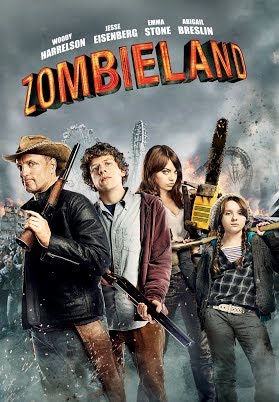
Upon its release, “Zombieland” provided a fresh take on the typical zombie apocalypse narrative, juxtaposing laughter alongside the traditional horror tropes. Directed by Ruben Fleischer and featuring a star-studded cast including Woody Harrelson, Jesse Eisenberg, Emma Stone, and Abigail Breslin, the film introduced memorable characters and iconic rules for surviving a zombie outbreak. This mix of humour and horror has resonated deeply, evidenced by a strong fanbase and a successful sequel released in 2019.
Since the film’s debut, the genre of zombie media has seen a significant renaissance, influencing television series such as “The Walking Dead” and films like “World War Z.” In addition to the entertainment aspect, the phenomenon has sparked academic discussions about the cultural implications of zombie narratives. Researchers have examined how zombies metaphorically represent societal fears—ranging from consumerism and loss of individuality to critiques of modern technology.
Moreover, the popularity of zombie-themed video games, such as “Resident Evil” and “Dying Light,” has cemented the genre’s place in interactive entertainment. These games tap into the primal survival instinct, allowing players to navigate apocalyptic scenarios while honing their strategic and reflex skills.
Beyond the screen, the zombie craze has permeated real-life events, with zombie walks and themed escape rooms attracting enthusiasts around the globe. This phenomenon speaks to a collective desire for escapism, creativity, and community bonding through shared experiences.
Conclusion
The significance of “Zombieland” and its impact on contemporary culture extends far beyond entertainment; it serves as a mirror reflecting deeper anxieties of society. As we continue to confront issues such as pandemic preparedness and existential uncertainty, the fascination with zombies allows us to explore and perhaps even navigate these themes in a playful manner. As new media emerge, and the genre evolves, it will be interesting to see how zombie narratives continue to shape and influence cultural conversations in the coming years.
You may also like