Introduction to Sumo
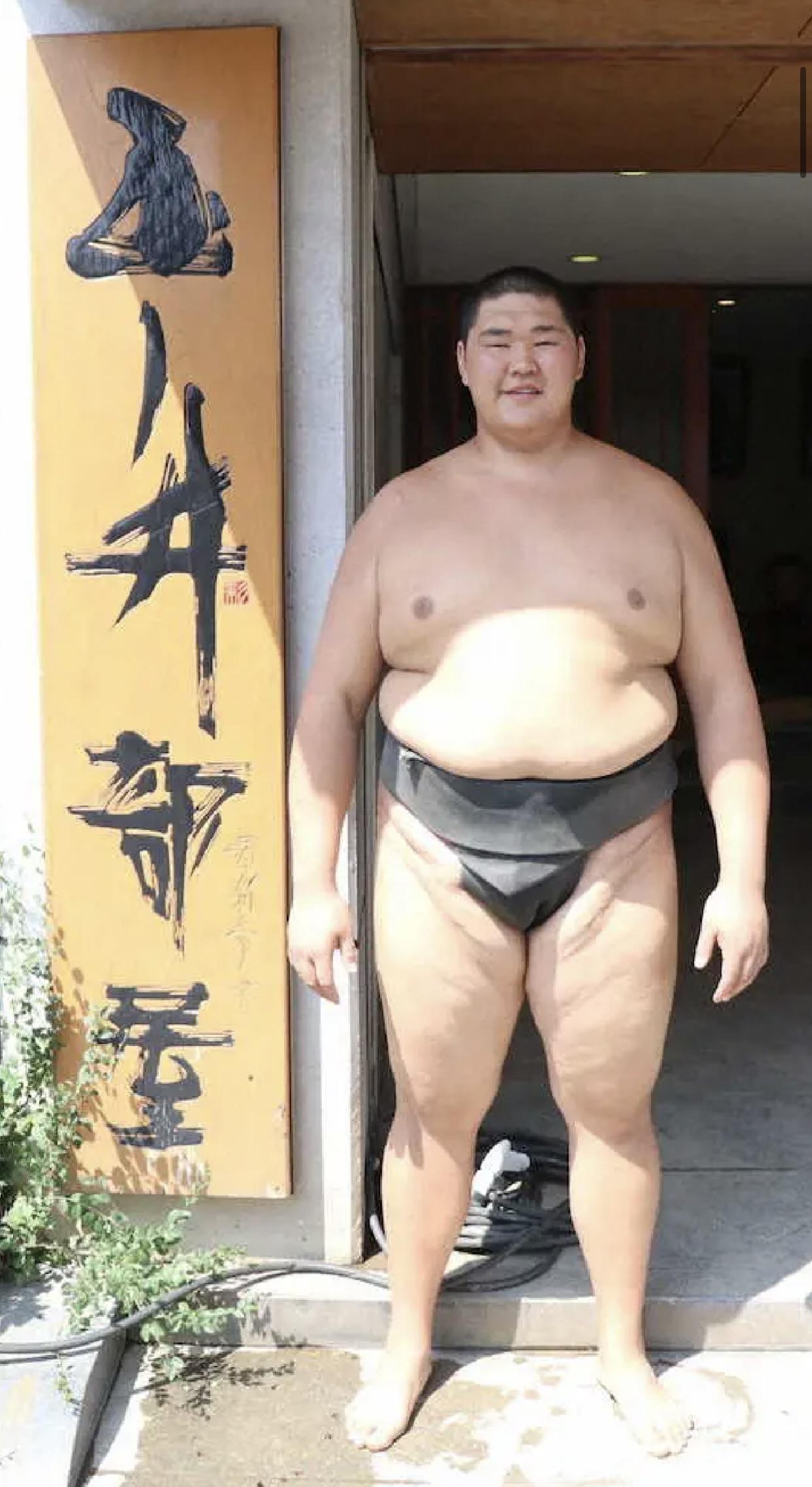
Sumo is not just a sport in Japan; it symbolises the country’s cultural heritage, traditions, and values. This centuries-old wrestling discipline, dating back to ancient times, is deeply intertwined with Shinto rituals, representing strength, honour, and respect. As Japan navigates its way through modernization, the enduring significance of sumo remains a prominent feature of national identity.
Historical Context
Originating in the 8th century, sumo wrestling was initially held as a form of entertainment for the gods in Shinto shrines. Over the years, it evolved into a structured competitive sport, although many traditional aspects remain. Matches are conducted in a circular ring known as the “dohyo” and are accompanied by elaborate ceremonial rituals, preserving a unique blend of martial prowess and spiritual significance.
Current Events in Sumo
Recently, sumo has seen a resurgence in global interest, particularly with the introduction of international tournaments. The 2023 Grand Sumo Tournament, held in Tokyo, attracted record attendances and showcased a diverse range of participants, including non-Japanese wrestlers who have risen through the ranks. The popularity of these events indicates a broader acceptance and appreciation of sumo beyond its traditional fanbase.
Additionally, the Japan Sumo Association has made commendable efforts to engage younger audiences, introducing outreach programs and even online streaming of live matches. These initiatives aim to ensure that the sport remains relevant while preserving its core values.
Challenges Facing Sumo
Despite its growing popularity, sumo faces several challenges. Issues such as declining participation rates and the need for modernisation within the sport are prominent. Various allegations of bullying and hazing within training stables, or “beya”, have raised concerns over the treatment of trainees. The Japan Sumo Association has promoted reforms to enhance the wellbeing of its athletes, aiming to create a safer environment whilst maintaining traditional practices.
Conclusion
As sumo wrestling continues to be a cherished aspect of Japanese culture, its journey through contemporary challenges demonstrates its resilience. The growing global interest reveals that while sumo is rooted in tradition, it has the adaptability to engage with modern society. For both fans and newcomers, sumo offers a profound connection to Japan’s past while forging a path toward a dynamic future. It is not merely a sport but a cultural phenomenon that encapsulates the spirit and tenacity of the nation.
You may also like