Introduction
Elves have transcended their mythological origins to become a prominent part of modern culture, appearing in literature, films, and folklore. Their significance has evolved, reflecting societal changes and interests. Understanding the role of elves today sheds light on their continuing influence and popularity.
Historical Background
The concept of elves dates back to ancient European folklore, particularly within Norse and Germanic myths. In these traditions, elves were depicted as magical beings, often associated with nature and the supernatural. Over centuries, these figures have transformed from mischievous spirits into benevolent, heroic characters. Their portrayal in popular literature, such as J.R.R. Tolkien’s The Lord of the Rings, drastically shifted their image, positioning them as noble and wise beings.
Elves in Contemporary Media
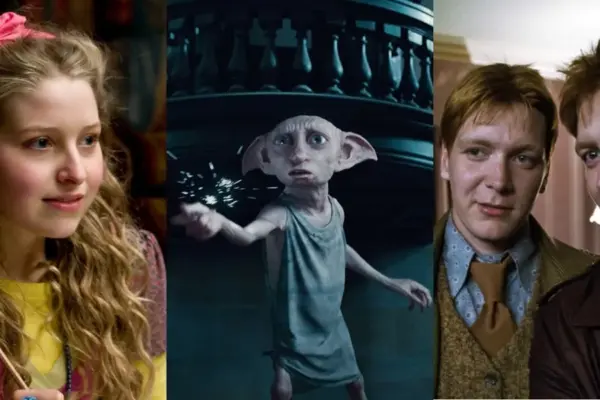
In recent years, elves have become increasingly popular in films and television series. From the iconic Legolas in The Lord of the Rings to the whimsical Christmas elves in holiday films, they play diverse roles that captivate audiences. The 2022 release of Netflix’s Fate: The Winx Saga further exemplifies this trend, introducing new generations to the complexity of magical characters. Moreover, video games such as The Elder Scrolls series have made elves central figures in expansive fantastical environments, showcasing their versatility.
The Symbolism of Elves
Elves often symbolize a connection to nature, magic, and the fantastical. In an age where technology prevails, their presence in storytelling serves as a reminder of simpler times and the allure of the natural world. Themes of environmentalism and fantasy resonate strongly with audiences seeking escapism and inspiration during turbulent times.
Conclusion
The relevance of elves remains strong in contemporary culture, reflecting humanity’s ongoing fascination with magic, nature, and the extraordinary. As society continues to evolve, so too will the representation of elves. They are not merely figments of childhood fantasy but rather symbols intertwined with our collective imagination, prompting us to embrace creativity and believe in the impossible. This enduring allure suggests that elves will continue to play a significant role in storytelling for generations to come.
You may also like