Introduction
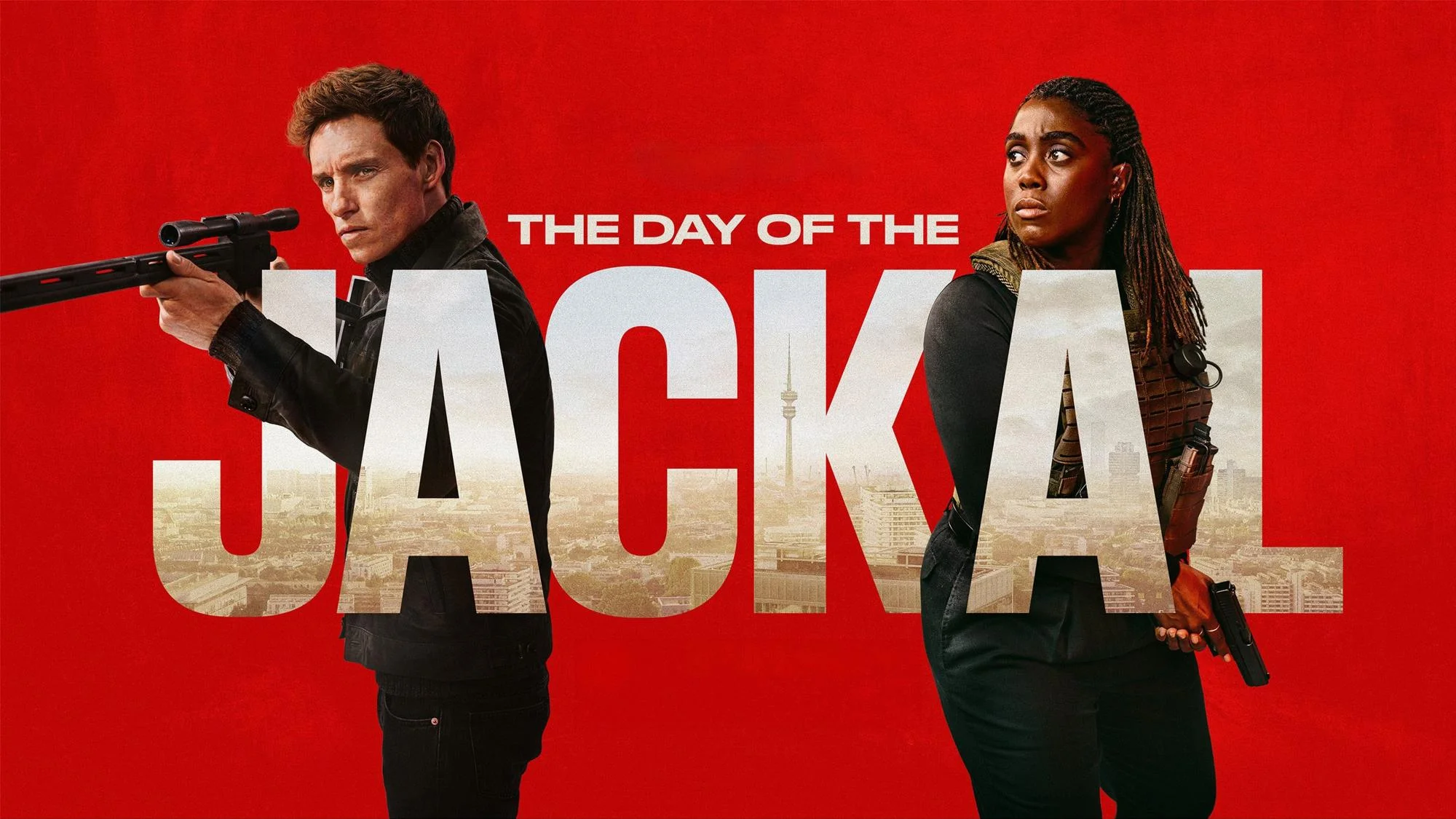
‘The Day of the Jackal’, a novel by Frederick Forsyth, first published in 1971, continues to captivate readers and film audiences alike with its intricate plot and gripping portrayal of international intrigue. Set against the backdrop of political turmoil in France, the story follows an assassin known only as the Jackal, hired to eliminate French President Charles de Gaulle. The relevance of this thrilling tale is profound, especially in today’s climate of political unrest and the prevalence of terrorism in global discussions.
The Plot and Its Significance
The Jackal, a meticulous and skilled assassin, is commissioned by a group seeking to eliminate de Gaulle due to his controversial policies regarding Algeria. What makes Forsyth’s narrative compelling is its detailed exploration of the assassin’s planning stages and the subsequent cat-and-mouse chase with French intelligence. The portrayal of the Jackal as a methodical character provides a lens through which readers can examine themes of ideology, loyalty, and betrayal.
Forsyth’s depiction of impenetrable bureaucracy within intelligence agencies mirrors real-world incidents where timely decisions and swift actions are often hindered by red tape. This reflects wider concerns regarding national security in contemporary society amid rising threats.
Modern Adaptations and Cultural Relevance
Since its publication, ‘The Day of the Jackal’ has inspired various adaptations, including the highly acclaimed 1973 film directed by Fred Zinnemann, which remains celebrated for its suspenseful storytelling and authenticity. Recently, the narrative has seen a resurgence in interest, partly fueled by the renewed relevance of espionage and political thrillers in today’s entertainment landscape.
In an era marked by digital warfare, misinformation, and evolving terrorist tactics, the themes of Forsyth’s work resonate strongly in political discourse. The methods used by the Jackal, although fictional, raise critical questions about privacy, state surveillance, and the moral ambiguity of assassination as a political tool.
Conclusion
‘The Day of the Jackal’ is more than just a captivating narrative; it serves as a cautionary tale about the implications of political violence and the challenges of maintaining security in an ever-changing world. As both politicians and citizens navigate the complexities of modern governance, Forsyth’s story encourages a deeper understanding of the individual motivations that fuel geopolitical conflicts.
Looking forward, the relevance of ‘The Day of the Jackal’ is likely to persist, as the landscape of global politics continues to be fraught with challenges. The implications of the narrative are significant for readers, prompting reflection on the balance between security and civil liberties, and the ethics surrounding political assassination in contemporary times.
You may also like