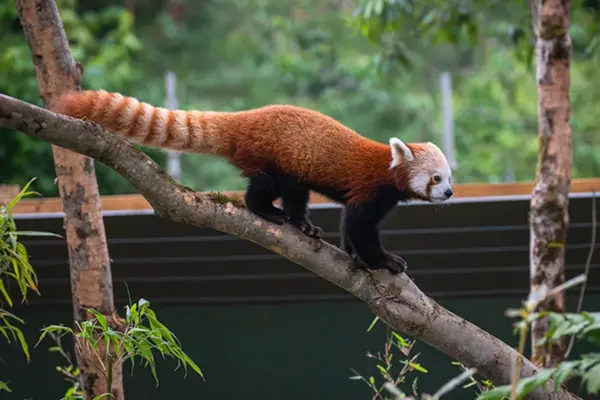
Introduction
Foxes are fascinating creatures that play a significant role in maintaining the balance of ecosystems. With their adaptability and cunning hunting skills, they contribute to controlling rodent populations and other small animals. Understanding the importance of foxes not only enhances our knowledge of biodiversity but also highlights the need for their conservation in an ever-changing environment.
Role in Ecosystems
Foxes are often seen as apex predators in their habitats, making them crucial for various reasons. One of their primary roles is the regulation of prey populations. Species such as rabbits, rodents, and birds of ground-nesting types can experience explosive population growth if their predators are removed. For instance, studies show that in areas where foxes have decreased significantly, there has been a correlating boom in rabbits, which often leads to plant overgrazing and biodiversity loss.
Behavioural Adaptations
Known for their intelligence and adaptability, foxes are able to thrive in diverse environments, from rural to urban settings. Their nocturnal habits and clever hunting techniques allow them to evade many threats while hunting for food. Foxes often hunt alone or in small groups, showcasing a keen ability to adapt their behaviour based on available resources. Furthermore, their vocalisations, which include barks and screams, play a crucial role in communication and establishing territory.
Conservation Status
As of late 2023, several fox populations are facing threats from habitat destruction, hunting, and diseases such as rabies. In the UK, the red fox is classified as a species of least concern, but conservation efforts are still vital to maintain their population stability. The common urban red fox has been able to thrive in cities, but rural populations have seen declines. Conservationists advocate for the preservation of natural habitats and public awareness to coexist with these animals sustainably.
Conclusion
The importance of foxes in ecosystems cannot be overstated. They serve as essential predators and stress the complexities of food chains. Understanding their behaviour helps researchers and conservationists devise strategies to protect them while maintaining ecological balance. As urbanisation increases and natural habitats diminish, it is crucial for communities to support conservation initiatives that enable foxes to thrive in harmony with human activities. By fostering an appreciation for these remarkable animals, we can ensure their protection for generations to come.
You may also like