Introduction
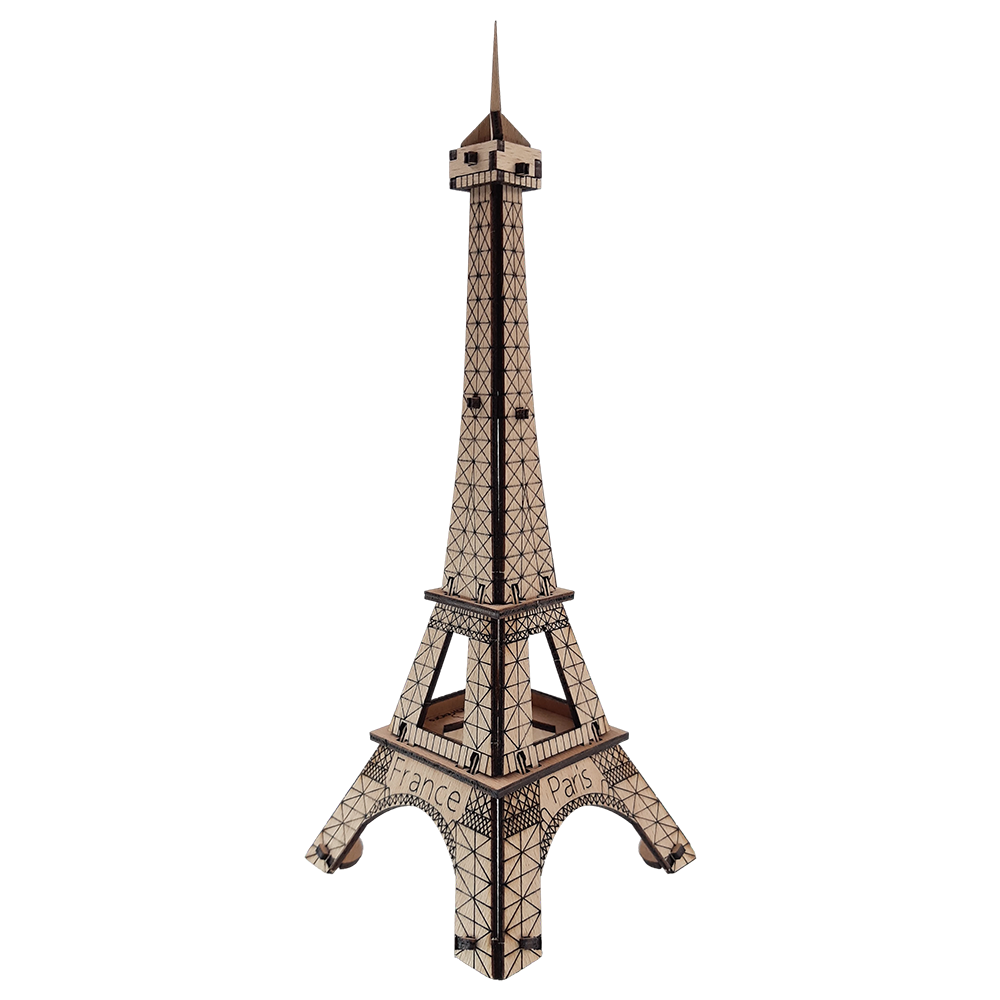
The Eiffel Tower, an architectural marvel and a symbol of France, holds immense cultural and historical significance. Located on the Champ de Mars in Paris, this iron lattice tower attracts millions of tourists from all over the globe each year. Whether revisiting its iconic silhouette in films, or experiencing breathtaking views from its platforms, the Eiffel Tower continues to captivate the hearts and minds of visitors.
A Brief History
Constructed between 1887 and 1889 for the Exposition Universelle, the World’s Fair held to celebrate the 100th anniversary of the French Revolution, the Eiffel Tower was initially met with criticism. Designed by the engineer Gustave Eiffel, it stands 324 meters tall and was the tallest man-made structure in the world until the completion of the Chrysler Building in New York in 1930. The construction process itself was a feat of engineering and innovation, utilizing over 18,000 iron parts and 2.5 million rivets.
Recent Developments
As of 2023, the Eiffel Tower remains a dynamic venue for cultural events and exhibitions. Recently, its restaurants and viewing platforms have undergone significant renovations to enhance the visitor experience. Notably, the ‘Le Buffet’ restaurant offers panoramic views while serving French cuisine, further enriching the culinary journey at this historical site. Moreover, the tower’s illumination system was upgraded as part of ongoing maintenance efforts, allowing it to shimmer every evening, a sight frequently highlighted in travel stories.
Economic Impact
Tourism to the Eiffel Tower plays a crucial role in the economy of Paris, generating significant revenue. According to the Société d’Exploitation de la Tour Eiffel, the attraction welcomed approximately 6 million visitors in the last full year before the COVID-19 pandemic, 2019. The influx of tourists directly supports local businesses including hotels, restaurants, and shops, stimulating economic activity in the region.
Conclusion
The Eiffel Tower not only stands as a testament to architectural ingenuity but also symbolizes the enduring spirit of Paris. Its ability to adapt and thrive amidst the changing times is a reminder of the importance of preserving cultural landmarks. As travel continues to recover post-pandemic, forecasts predict a resurgence in visitors eager to experience the legacy of this iconic structure. The Eiffel Tower will undoubtedly remain a significant cultural and economic asset to France, symbolising resilience and hope for the future.
You may also like