Introduction: A New Era of Connectivity
Opened in May 2022, the Elizabeth Line has rapidly emerged as a pivotal element in London’s transport infrastructure. Named after Queen Elizabeth II, this railway line links the city’s major transport hubs and expands the commuter network across multiple boroughs and regions. Given London’s population and the challenges of urban transport, the Elizabeth Line is crucial for alleviating congestion, improving journey times, and supporting economic development across the region.
Key Features and Achievements
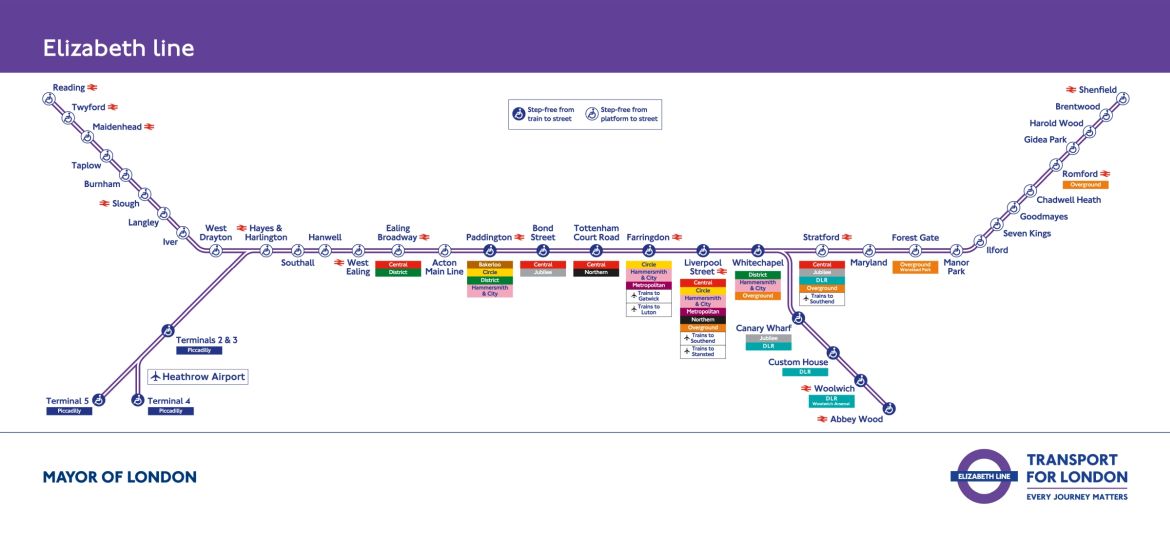
The Elizabeth Line stretches over 60 miles from Reading and Heathrow in the west to Shenfield and Abbey Wood in the east. Its design incorporates numerous state-of-the-art features aimed at enhancing the commuter experience, including step-free access at all stations, increased capacity, and faster travel times within an integrated transport network.
With a total of 41 stations, 10 of which are newly built, the line enables seamless transfers to other major lines, including the London Underground, Overground, and Crossrail services. During its first few months of operation, the line achieved impressive ridership numbers, with millions of passengers utilising the service each week, effectively easing pressure on the already-busy Tube system.
Impact on the Economy and Community
Experts highlight that the Elizabeth Line is not just a transport improvement but a significant economic catalyst. Increased accessibility has led to the uplift of local businesses and created thousands of jobs, both during construction and in the ensuing operational phase. Vital areas such as Canary Wharf and the City of London are now more effectively linked, thereby attracting further investment and facilitating better access for workers and visitors alike.
Moreover, the line supports sustainable transport initiatives by promoting public transport use over car travel, which is essential for reducing carbon emissions and promoting a cleaner environment in a densely populated metropolis.
Future Developments and Conclusion
As the Elizabeth Line continues to embed itself into the fabric of London’s transport system, ongoing developments and expansions are anticipated to further enhance its connectivity. Future improvements may include the addition of new branches and enhancements to station amenities.
In conclusion, the Elizabeth Line is not just an engineering marvel but a transformative force within London’s transport landscape. It provides significant advantages to the city’s economy and empowers commuters through improved accessibility and efficiency. As London moves forward, the Elizabeth Line will undoubtedly play a vital role in shaping the future of travel in the capital.
You may also like