Introduction
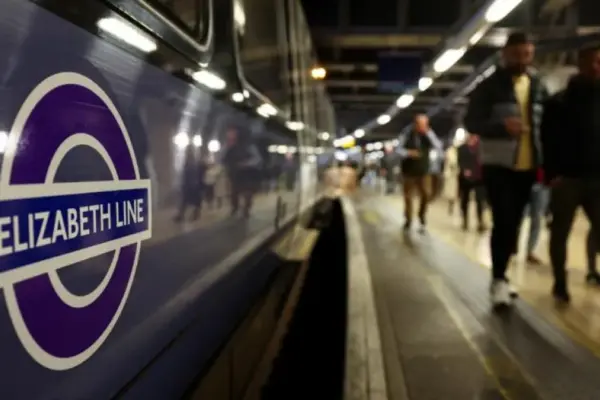
The Elizabeth Line, commonly referred to as Crossrail, is one of the most significant infrastructure projects in London in recent years. Officially opened on May 24, 2022, this railway line has reshaped the transport landscape of the capital, providing faster and more efficient travel across the city and beyond. Its relevance is underscored by the challenges of urban transport, growing commuter demands, and a drive towards reducing congestion.
Key Features of the Elizabeth Line
The Elizabeth Line stretches over 60 miles, connecting Reading and Heathrow in the west to Shenfield and Abbey Wood in the east. It incorporates ten new stations, dramatically reducing journey times. For instance, the ride from Paddington to Abbey Wood is now cut down to approximately 29 minutes, which represents a considerable saving for daily commuters.
The line is unique for its integration of existing rail infrastructure with state-of-the-art technology, facilitating a more reliable service. Trains on the Elizabeth Line run every five minutes during peak hours, featuring spacious interiors and improved accessibility features for passengers with reduced mobility.
Impact on Travel and the Economy
The opening of the Elizabeth Line has been hailed as a game-changer for London’s economy. The improved connectivity is expected to boost skills, job opportunities, and local economies along the route. The Mayor of London, Sadiq Khan, believes that the Elizabeth Line will support the creation of 55,000 new jobs and generate £42 billion for the UK economy over the next decade.
Moreover, the line also promotes sustainability by encouraging a shift from cars to public transport and reducing carbon emissions. This aligns with the UK’s broader goal of reaching net-zero emissions by 2050.
Challenges and Future Prospects
While the Elizabeth Line has had a successful launch, it has not been without challenges. Initial operational issues led to delays in its full service rollout and some complaints regarding overcrowding. However, as the service stabilises and more people return to commuting post-pandemic, it is expected that these issues will be mitigated.
Conclusion
The Elizabeth Line represents a remarkable feat of engineering and urban planning, bringing significant benefits to Londoners and the city’s economy. As travel patterns evolve and recovery from the pandemic progresses, the true impact of the Elizabeth Line will continue to unfold. Its success could very well set a precedent for future transport projects in urban areas, highlighting the importance of investing in modern infrastructure to meet the growing demands of city life.
You may also like