Introduction
The emergence of a new COVID variant has raised concerns within the global health community as countries strive to manage ongoing impacts of the pandemic. Understanding this variant’s characteristics, transmission rates, and potential implications for vaccination efforts is critical in ensuring public safety and health preparedness.
Current Developments
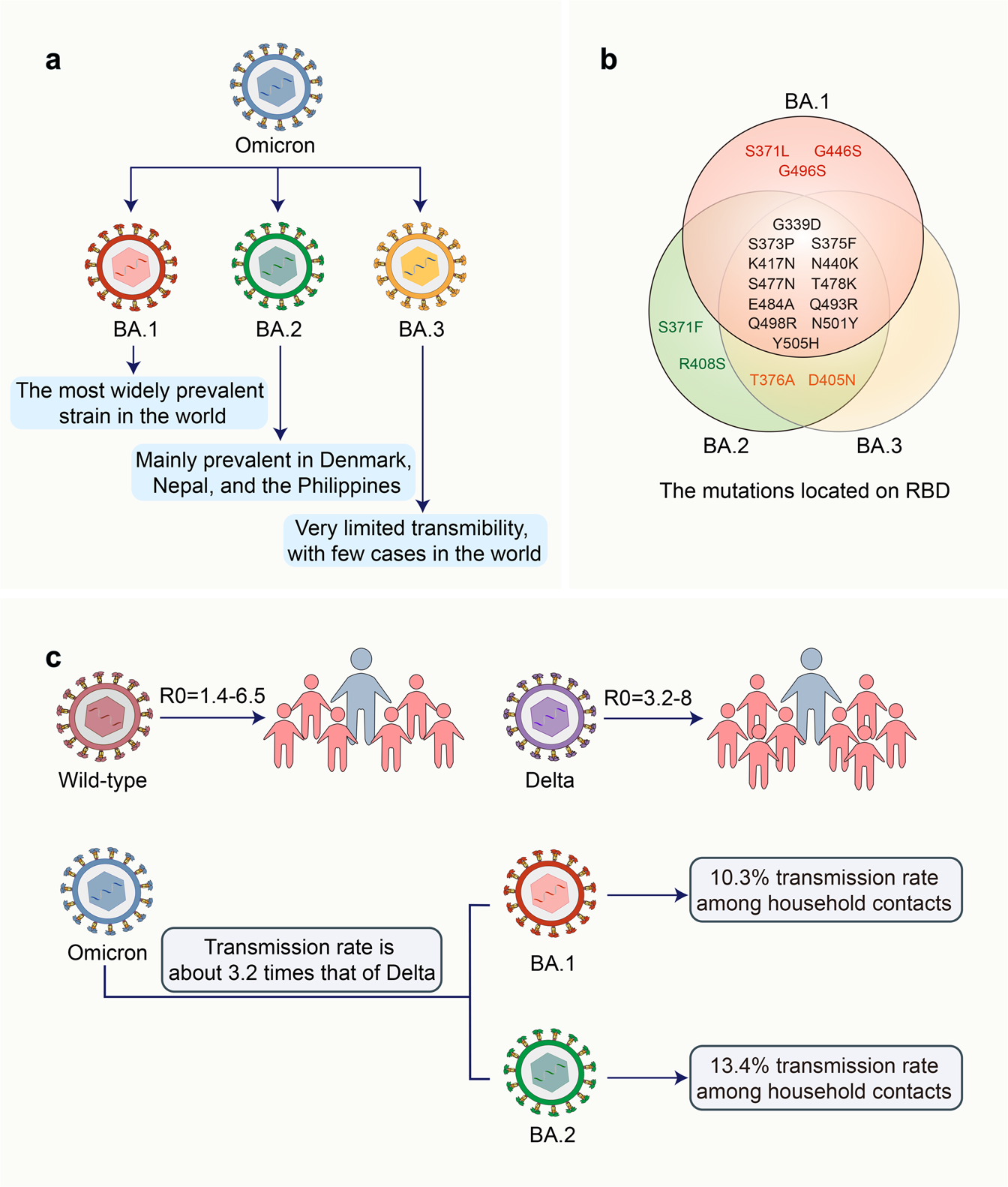
Recent reports indicate that a new variant, known scientifically as BQ.1.1, has been identified and is currently circulating in multiple countries, including the United Kingdom, the United States, and several European nations. This variant has been closely monitored by health organisations due to mutations that may affect transmission rates and vaccine efficacy.
According to data from the World Health Organization (WHO) released in September 2023, BQ.1.1 shows a potential increase in transmissibility compared to earlier strains. However, preliminary analyses suggest that existing vaccines remain largely effective at preventing severe illness and hospitalisation associated with this variant. Hospitals and healthcare systems are urged to prepare for potential increases in case numbers as colder months approach.
Public Health Responses
In response to the new variant, health authorities are ramping up vaccination drives and public health messaging to encourage booster vaccinations, especially among vulnerable populations. Enhanced surveillance measures have been deployed in regions showing significant case increases, with ongoing genomic sequencing to track the evolution of the virus.
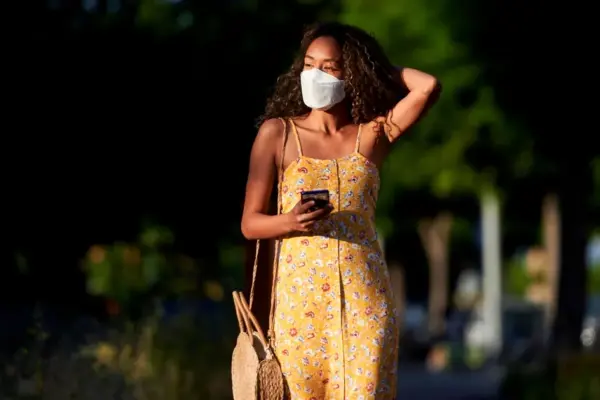
Many governments are also revisiting travel restrictions and masking guidelines in light of the emerging data about this variant. The UK’s Chief Medical Officer has urged citizens to remain vigilant while also emphasising the importance of personal responsibility in preventing transmission.
Conclusion
The emergence of the new COVID variant BQ.1.1 presents both challenges and opportunities for health authorities. As ongoing research continues to unfold, it is crucial for the public to stay informed and engaged in preventive health measures. With vaccination as a key tool against severe outcomes and intensified surveillance efforts, experts remain cautiously optimistic about managing this variant. The situation remains dynamic, and coordinated global efforts are essential to control the spread and impact of COVID-19.
You may also like