Introduction
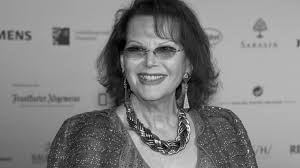
Claudia Cardinale, born on April 15, 1938, in Tunis, Tunisia, is one of the most celebrated actresses in the history of cinema, particularly known for her work in Italian and international films. As an emblematic figure of the Italian film Renaissance, her contributions to cinema are profound. Cardinale’s performances have captivated audiences for decades, reflecting social and cultural themes prevalent in Italy and beyond. Her significance is especially notable as we observe the evolving landscape of gender representation in the film industry.
Career Highlights
Cardinale’s career took off in the late 1950s, making her mark in films like “The Leopard” (1963), directed by Luchino Visconti, where she starred alongside Burt Lancaster. This film solidified her status as a leading actress in European cinema. She further showcased her talent in Sergio Leone’s iconic spaghetti Western “Once Upon a Time in the West” (1968), which highlighted her versatility as an actress and her ability to command the screen alongside Hollywood legends.
Her collaboration with acclaimed directors, including Federico Fellini and Pier Paolo Pasolini, produced some of the most memorable films of the era. Cardinale played complex characters that challenged societal norms, reflecting the struggles and emotions of women in post-war society. With over 100 films to her credit, Claudia Cardinale’s body of work encapsulates a wide range of genres, from drama to comedy, attesting to her adaptability and skill.
Recent Developments
In recent years, Claudia Cardinale continues to be an influential figure, participating in film festivals and retrospectives that celebrate her cinematic legacy. In 2023, she was celebrated at the Venice Film Festival, where her impact on the film industry was commemorated. This recognition underscores not only her individual contributions but also the broader significance of women in film history.
Conclusion
Claudia Cardinale’s eminent career is a testament to her talent and resilience in a field that has often been hostile to women. As more contemporary discussions around gender equality in cinema continue to unfold, remembering figures like Cardinale is vital. Her groundbreaking roles paved the way for future generations of actresses, inspiring them to pursue their artistic passions. The legacy of Claudia Cardinale serves as a reminder of the power of storytelling in cinema and the pivotal roles that women can play in shaping cultural narratives. As we look ahead, her influence will undoubtedly continue to resonate, urging society to acknowledge and celebrate the diverse voices in film.
You may also like