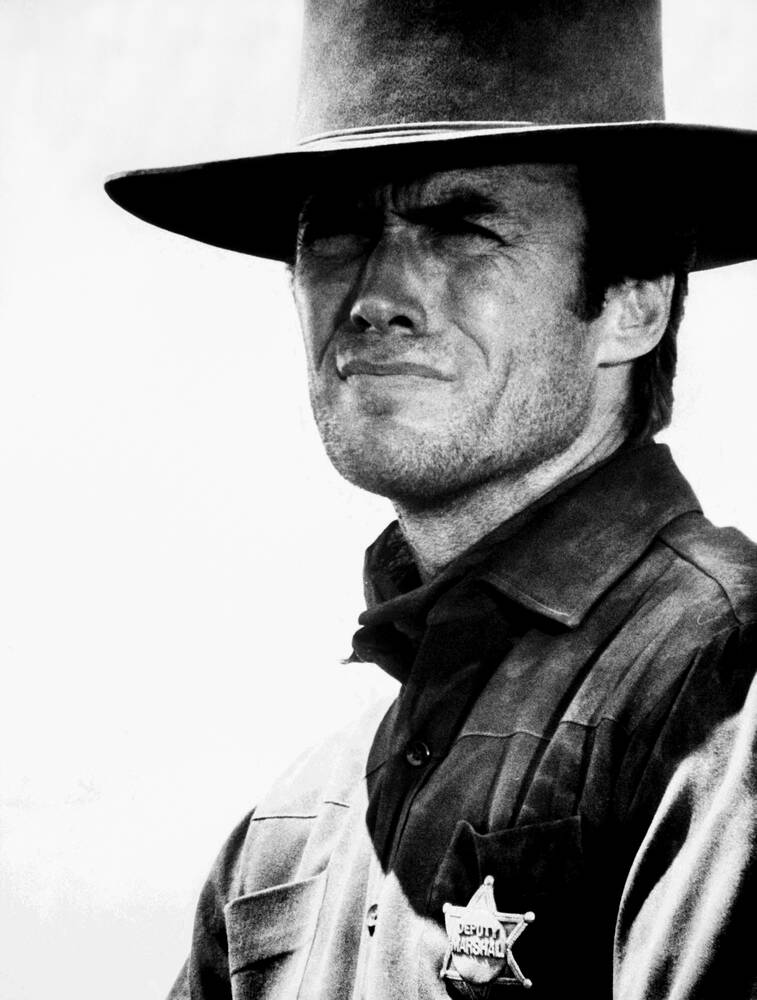
Introduction
Clint Eastwood is a name synonymous with American cinema, spanning over six decades as an actor, director, and producer. His contributions to film have not only shaped Hollywood but have also influenced filmmaking trends and audiences worldwide. Understanding Eastwood’s impact is essential for appreciating the evolution of cinema and the nuanced storylines that resonate today.
The Early Years
Born on May 31, 1930, in San Francisco, California, Eastwood began his journey in entertainment as a young boy, taking on various jobs before eventually landing roles in television series like ‘Rawhide’ in the late 1950s. His breakthrough came with the iconic role of ‘The Man with No Name’ in Sergio Leone’s ‘Dollars Trilogy’ which catapulted him to global fame.
Signature Roles and Directorial Success
Eastwood’s career is notable for both his rugged, morally complex characters and his adept directorial talent. He became a leading figure in the spaghetti western genre and later defined the 1970s cop movie archetype with his role as Dirty Harry. Following his transition to directing, Eastwood received critical acclaim for films such as ‘Unforgiven’, ‘Mystic River’, and ‘Gran Torino’, showcasing his capacity to tackle diverse themes including redemption, violence, and the human condition.
Recent Endeavours
In 2021, Eastwood continued to impress audiences with ‘Cry Macho’, a film both directed and produced by himself, reflecting his undying passion for storytelling. At 91, his resilience and commitment to the craft signal an enduring presence in an ever-changing film industry. His ability to connect with contemporary issues while staying true to classic storytelling remains unparalleled.
Legacy and Influence
Clint Eastwood’s influence on cinema is profound, inspiring generations of filmmakers and actors. He has garnered multiple Academy Awards and uses his platform to narrate stories that often reflect moral ambiguities. Furthermore, his focus on authenticity and character depth portrays a cinematic style that prioritises substance over spectacle. His works remind audiences of the power of storytelling and its ability to traverse time and culture.
Conclusion
Clint Eastwood remains a monumental figure in the film industry, with a rich legacy that continues to evolve. As audiences look to the future of cinema, Eastwood represents a bridge to its storied past, ensuring that the art of filmmaking remains relevant and impactful. With upcoming projects possibly on the horizon, fans and critics alike look forward to gaining more insights into the mind of one of Hollywood’s greatest icons.
You may also like