Introduction
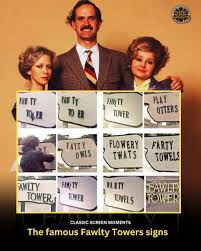
Fawlty Towers, the iconic British sitcom created by John Cleese and Connie Booth, aired originally in the mid-1970s and is hailed as one of the greatest television comedies in history. Its unique blend of farcical humour and sharp social commentary has not only made it a beloved classic but also a significant cultural reference point within British society. Even after decades, Fawlty Towers continues to resonate with audiences around the world, influencing countless comedic endeavours.
Background and Impact
Set in a rundown hotel on the southern coast of England, Fawlty Towers showcased the misadventures of the rude proprietor Basil Fawlty (played by John Cleese) and his staff. The show consisted of only two series, airing a total of 12 episodes from 1975-1979. Each episode offered a mix of chaos and hilarious misunderstandings, which frequently highlighted the eccentric characters that passed through the hotel.
The show’s impact was immediate; despite initially low ratings, it quickly garnered a devoted following. Over the years, Fawlty Towers has won several awards, including BAFTAs for Best Comedy Series, and it remains critically acclaimed, often listed among the best television shows of all time on various platforms.
Current Events and Revivals
In recent times, there has been renewed interest in Fawlty Towers, particularly as discussions surrounding classic comedy and its place in contemporary society continue to evolve. Reports have surfaced about a potential revival, with John Cleese confirming that he is working on a new project inspired by the original format. Although details are scarce, fans are eagerly awaiting how the show’s unique humour will adapt to modern sensibilities.
Moreover, recent screenings and special events commemorating the show’s legacy have attracted significant attention. Fawlty Towers is now seen as not just a sitcom but as a cultural artifact that encapsulates a particular time in British social history.
Conclusion
The lasting significance of Fawlty Towers reveals much about the nature of humour and its ability to transcend time. By addressing themes of class, service, and the human condition, the show has maintained its relevance and continues to attract new audiences. As discussions of its revival unfold, it will be intriguing to see how the classic formula is reinterpreted, and whether it can capture the same magic that enchanted viewers during its original run.
You may also like